A year after School Board obliterates a historic Renton neighborhood, they ask for City Council’s permission

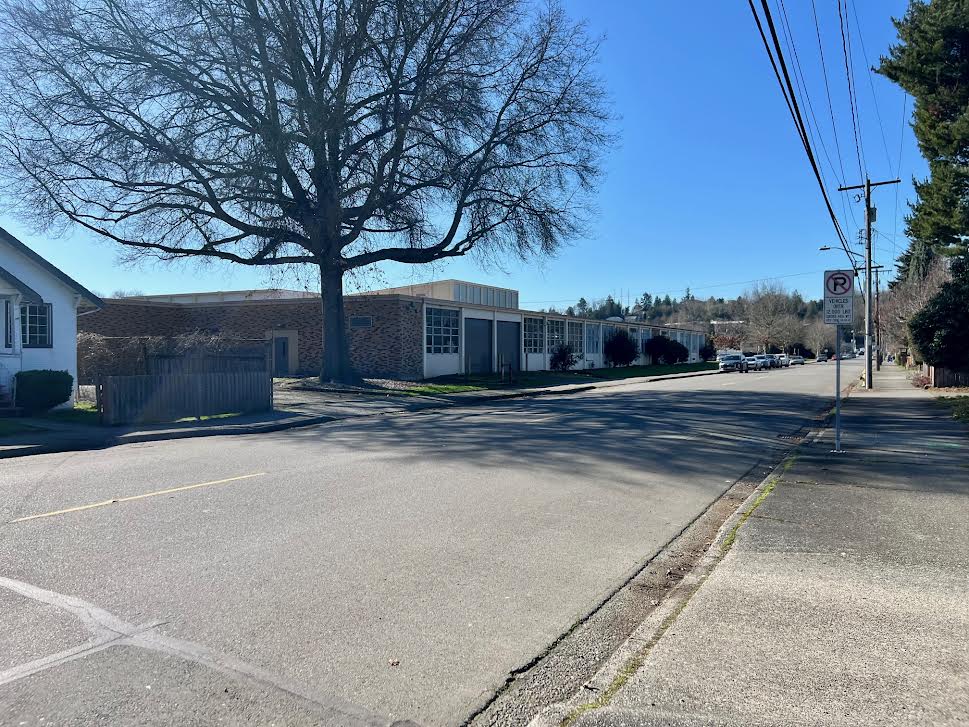
For over 80 years South Tobin Street (shown above looking west) has provided an important east-west connection through downtown Renton, and important access to many local homes and businesses. The Renton School District is asking Renton Council to vacate this section of Tobin Street and two other streets so that the School can use them for internal circulation and play fields.
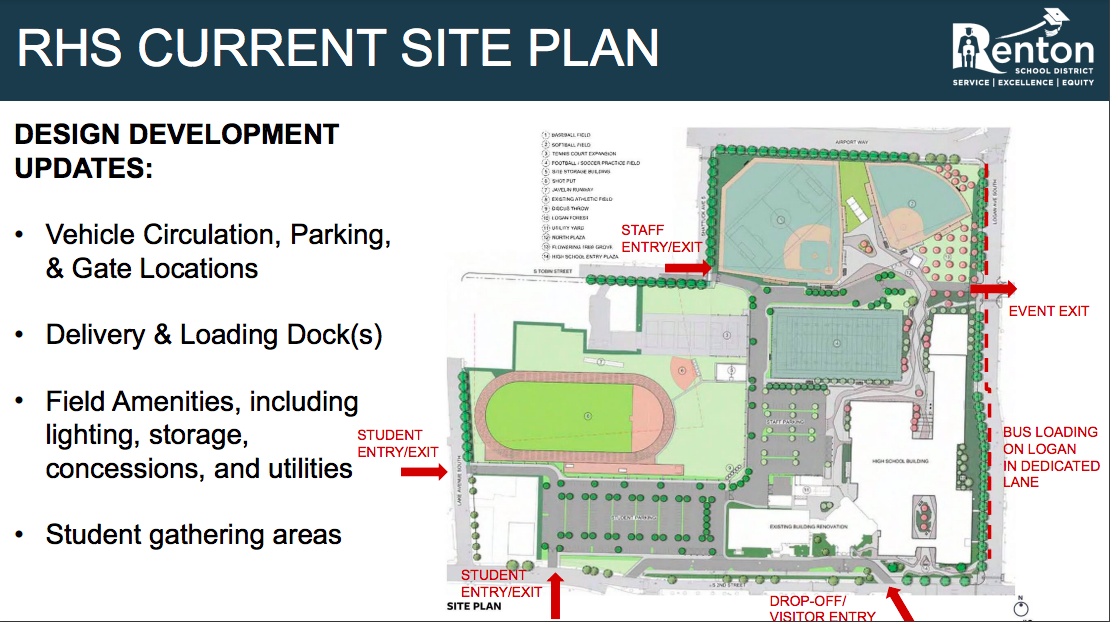
South Tobin Street currently runs east-west on this site plan just below the baseball diamonds, between the proposed “Staff Entrance” and (gated) “Event Exit.”

Renton City Council quietly stood on the sidelines this past year as Renton School District used eminent domain to take 40 homes and businesses in Renton’s South Tobin neighborhood.  When distraught residents asked for help at Council meetings, Council members either sat silently or in rare instances claimed that there was nothing they could do,  “since it was a school board action.”
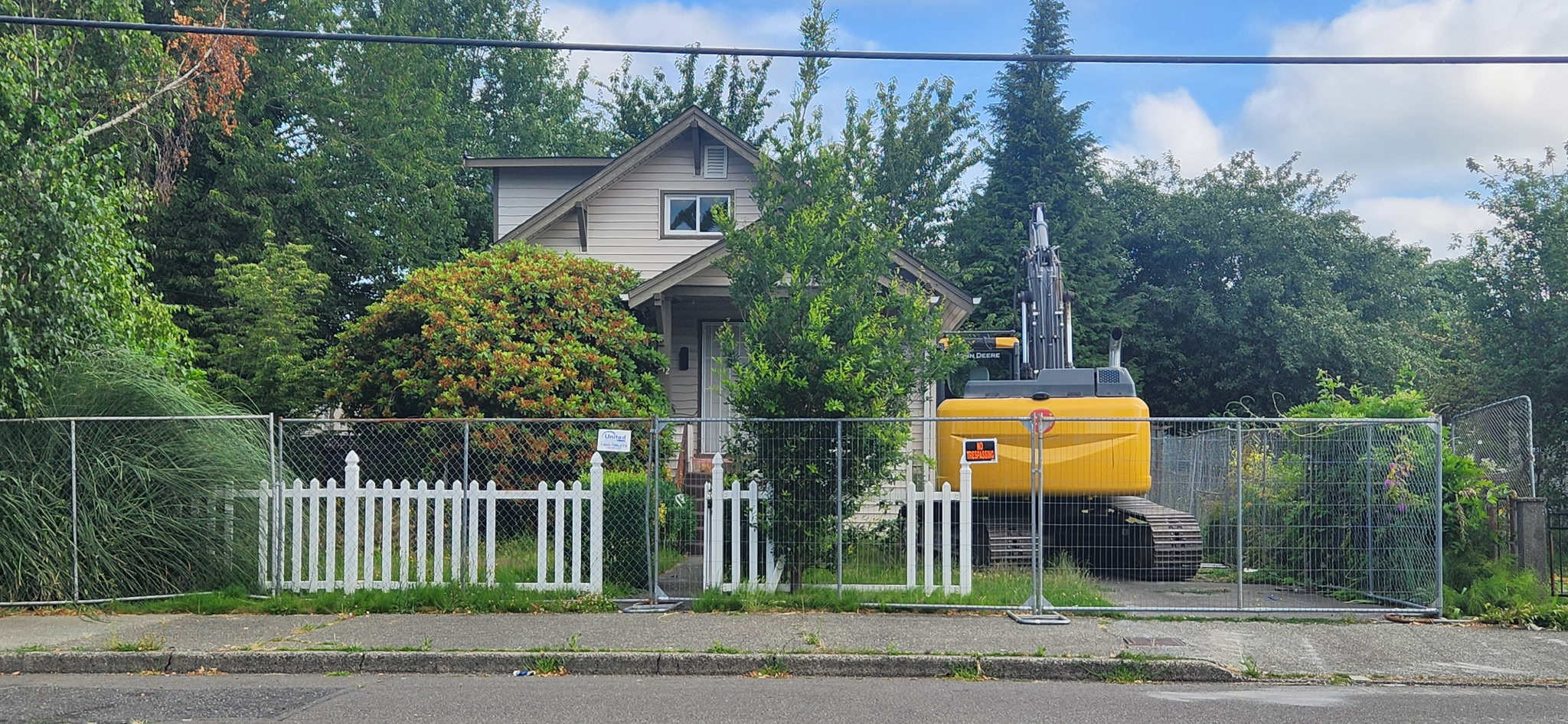
Renton School District has been obliterating Renton’s South Tobin neighborhood, demolishing 32 homes and 8 businesses

But there was a lot that Council could have done, as residents informed them at the time, and as I described in a blog post here. The School Board was presumptuously repurposing three city streets in the northern part of the project that they don’t own and don’t have power to condemn: South Tobin Street, Shattuck Ave South, and South Tillicum Street.  Council could have passed a resolution saying these century-old streets, which are part of Renton’s original road network, would not be available to become School District property. If Council had passed such a resolution, the new Renton High School could still be built, but its baseball diamonds would not be on top of the former South Tobin neighborhood, and people would still occupy the homes and businesses.

Now that the School District is applying for building permits, the District must get their formal city permission to add these streets to their newly expanded school property.  To do so, the Council must hold a public hearing, and then finally formally weigh in on the topic.  The Council can’t dismiss the issue any longer.  The hearing is set for May 4th, 2026, 7:00 PM at Council Chambers, Renton City Hall.

The five-member Renton School Board has aggressively moved to tear down historic homes and businesses in what appears to be an effort to force the Council’s decision.  Even though no school building permits have been issued, the District has largely made waste of the forty recently-occupied structures, tearing them down long before the District needs the land for construction.  Lovely homes, manicured gardens, and popular businesses have all been leveled, as well as the future location of a community-focussed Chihuly glass studio and a highly-anticipated Asian restaurant in the freshly renovated building in which Red Robin’s founder learned the restaurant business. (The School District paid $6 million dollars for just this one restaurant property, which will become a corner of the outfield of a baseball diamond.)

Even with the neighborhood gone, the streets –particularly South Tobin Street– remain valuable to Renton’s residents.  In a downtown that is already divided by a river, a railroad, a freeway, an airport and a lake, Renton does not need to close more streets.

There are only two streets that carry traffic from east to west in the northern 1.45 miles of downtown, and South Tobin Street is one of them.  Tobin provides important redundancy to Airport Way during accidents, closures, and traffic jams, which have been frequent in recent years.  South Tobin also gives motorists important access to local businesses without having to make difficult left turns on and off of arterials, or having to broadly circle their destination on one-way streets through downtown Renton.
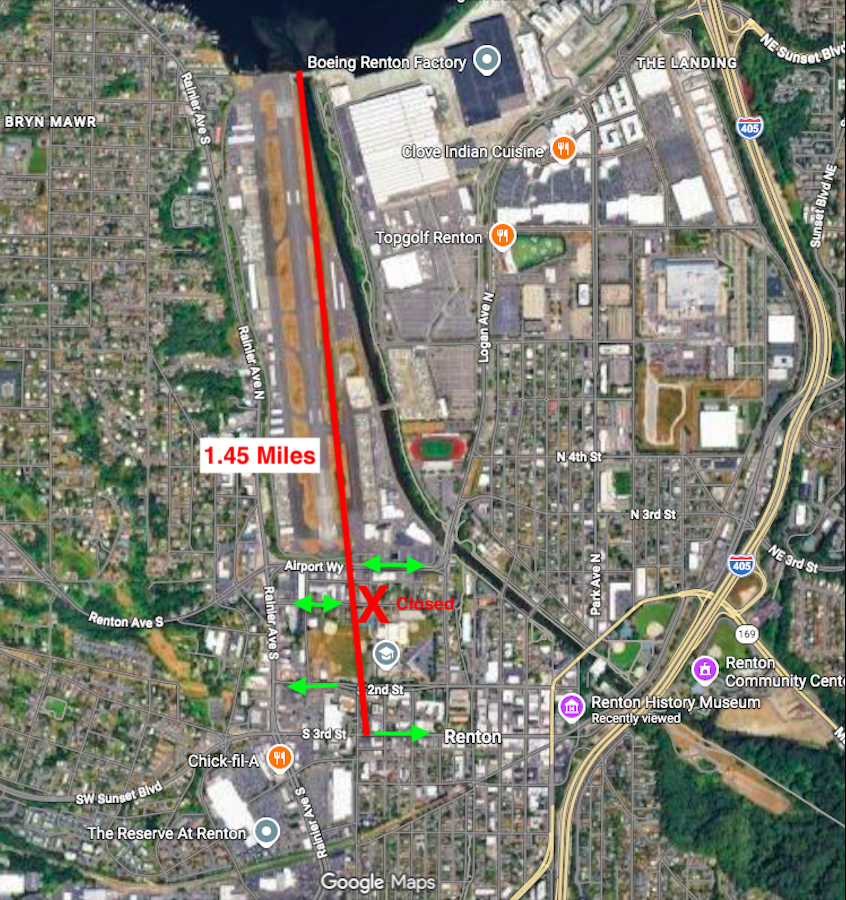
The red “X” marks where the east-west running South Tobin Street is proposed for closure. This would leave only Airport Way for eastbound traffic within the northern 1.45 miles of downtown Renton.

The School District paid for a traffic study which essentially concludes that the loss of these streets is no big deal, but the study focuses on normal traffic conditions.  It does not delve deeply enough into redundancy during accidents and closures (which is a Renton Comprehensive Plan requirement), or the safety and convenience of drivers who don’t want to make risky left turns from arterials (which is also a Comprehensive Plan requirement).  Remember, it won’t be these traffic engineers sitting in traffic after an accident on Airport Way– it will be you.
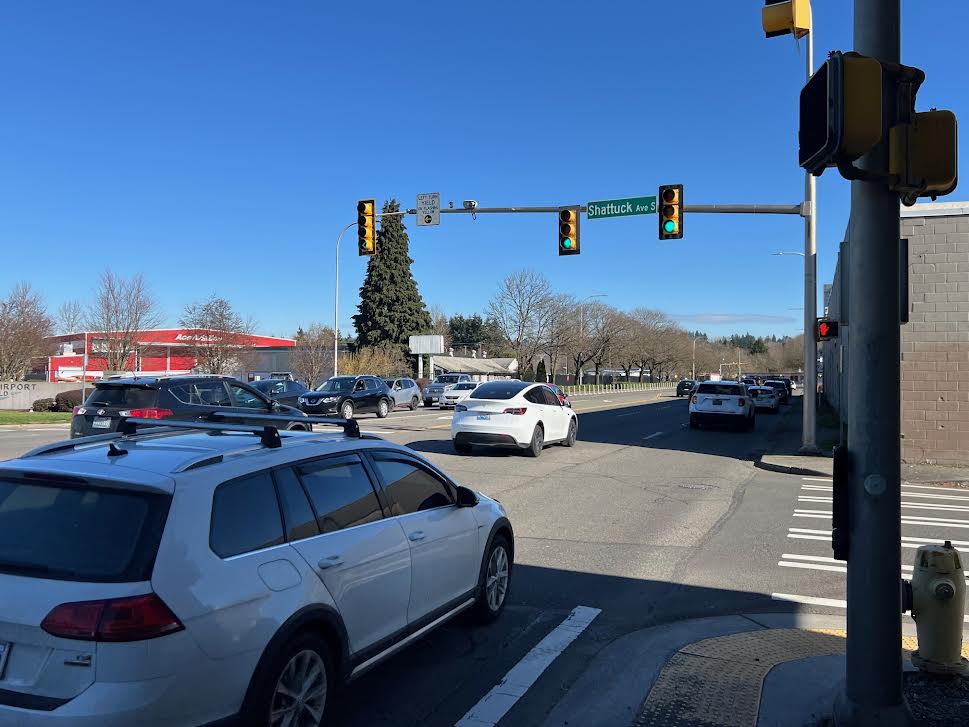
Airport Way is fast and busy. As an arterial it is not very suitable for access to the local businesses that still exist on the west side of Renton High School. Tobin Street South provides a local backup now, but its western half is proposed to be closed by the District.
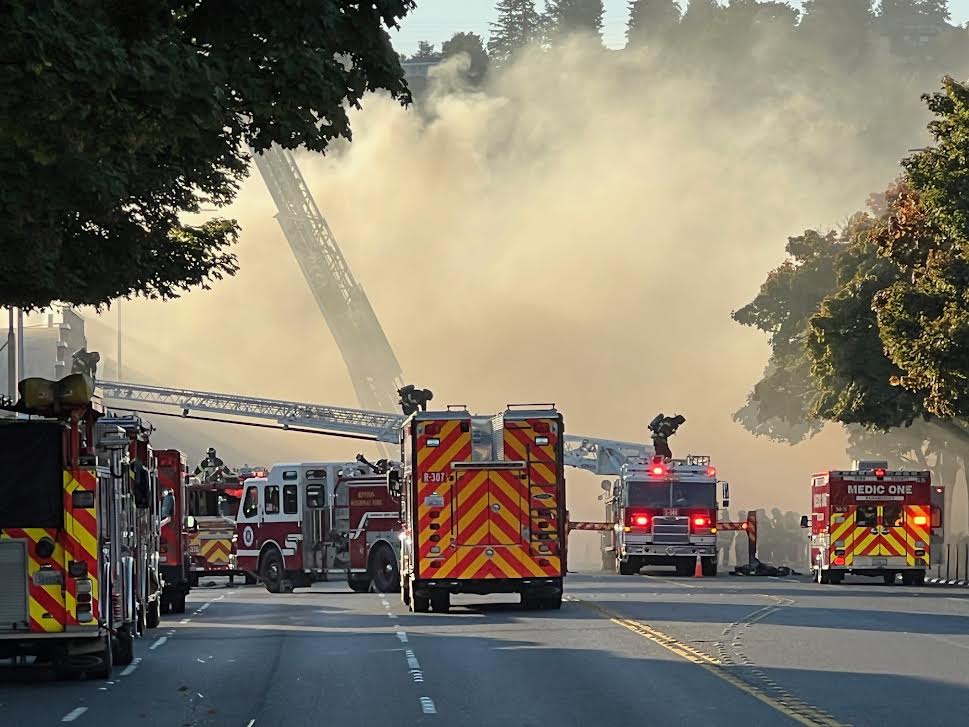
Airport Way has been partially or fully closed many times in the past few years, due to accidents and other emergencies. This October 7, 2023 closure was for a fire. As usual,  Tobin Street was an important detour.  Airport way and it’s intersections see about 15 accidents per year.
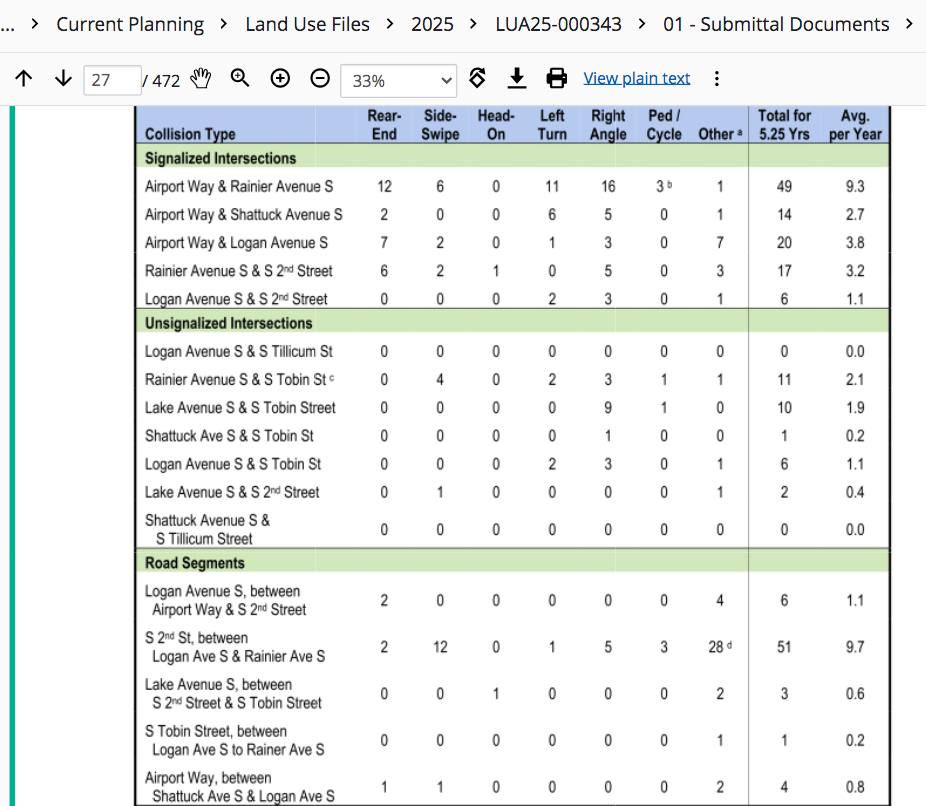
Accident data submitted by the School District engineers shows the high rate of accidents on Airport Way and its intersections. Tobin Street provides an alternate route during these accidents.

Renton High School has about 1259 students now, but the School District is sizing the school for 1600 students based on planning for a future population boom in this area.  But traffic in this area is already bad with our current population density.  It’s worrisome to consider 30-50% population growth with only one east-west connection between downtown and Lake Washington.
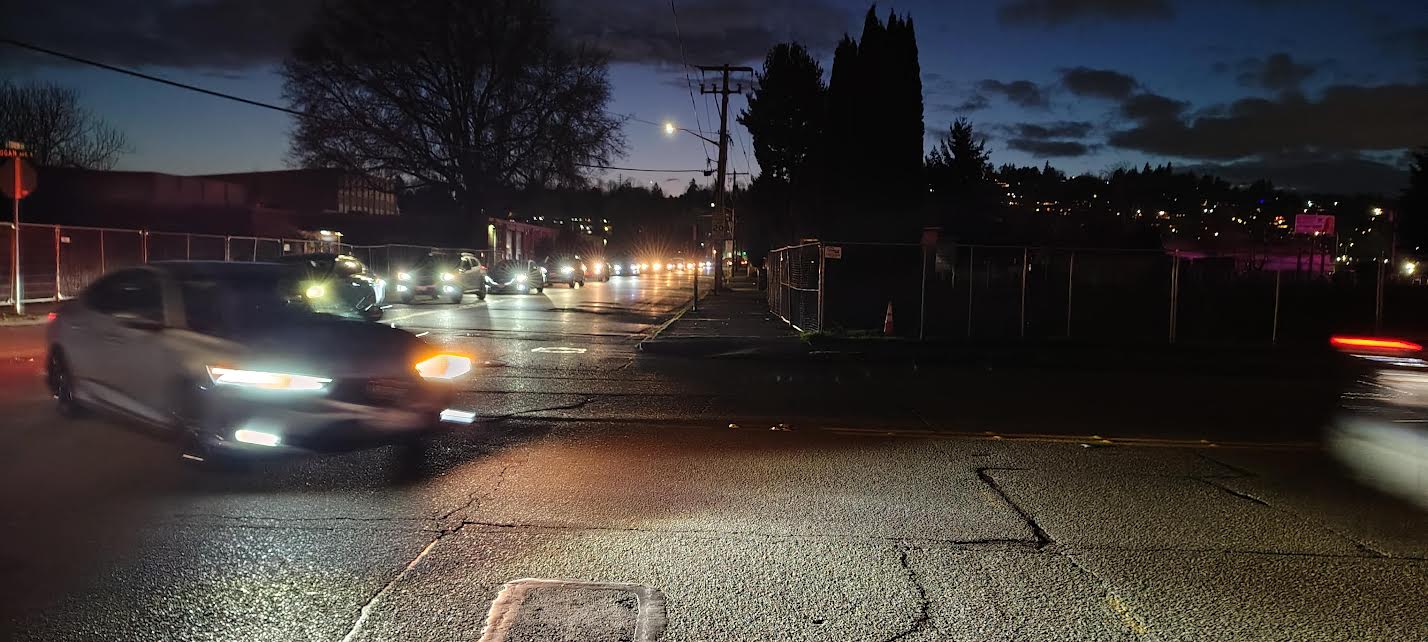
South Tobin Street carrying bumper-to-bumper detour traffic six weeks ago following an accident on Airport Way. (This photo courtesy of “Commuter,” who included it in a comment.)

No one, including a school district, has the right to close a street just because they acquired the land on both sides of it. In 1971 Paccar had acquired land on both sides of Houser Way North and convinced the city to vacate the street between the two parcels, converting the once public street to a private street that only served Paccar buildings and parking lots. Two decades later this street vacation led to so much traffic congestion in North Renton that we had to construct a multi-million dollar “Houser Way Bypass and Tunnel” in the 1990s to compensate for the missing public connection.  If the Council votes to close Tobin, let’s hope that we don’t have to spend hundreds of millions installing a Tobin Street bypass tunnel 20 years from now.
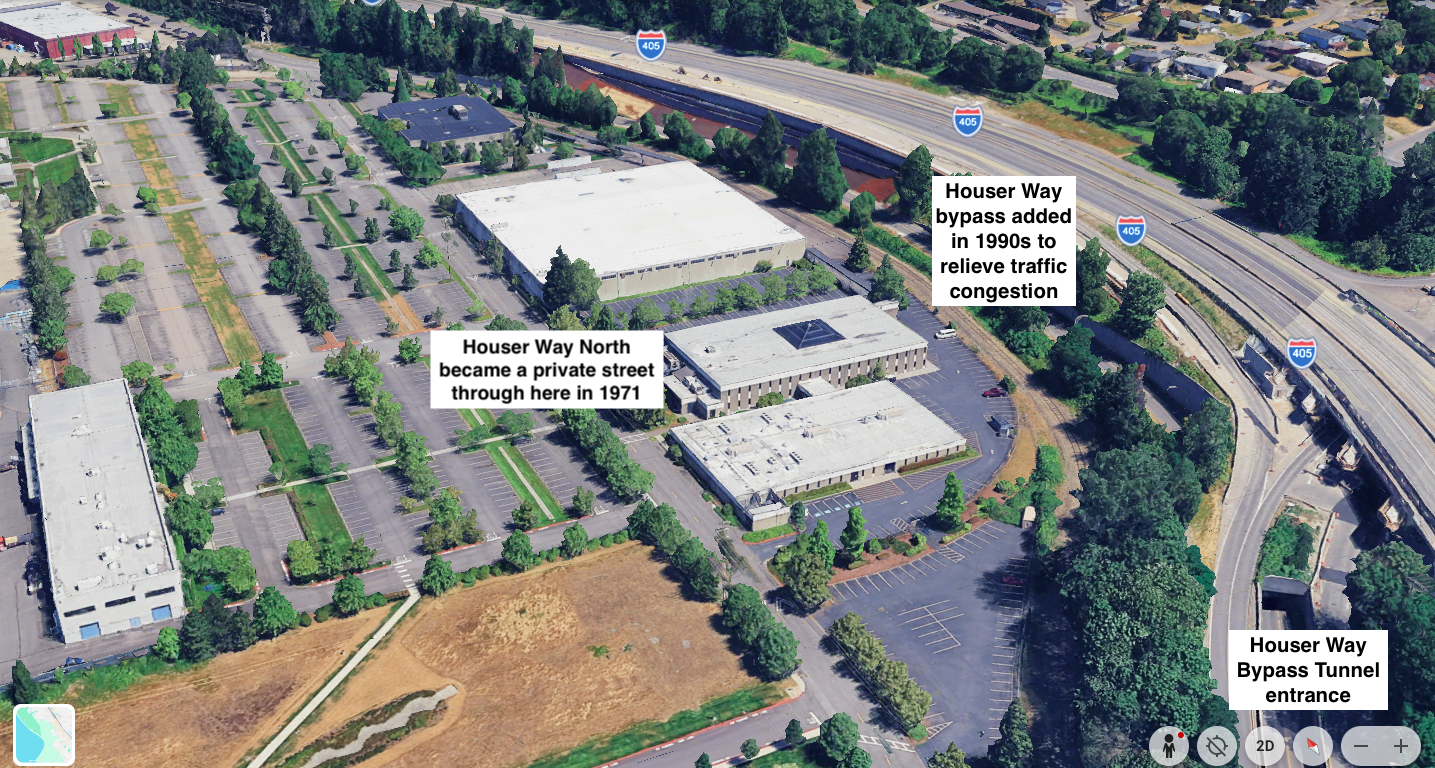
Renton Council vacated a section of Houser Way North at the request of Paccar in 1971. Two decades later there was so much resulting congestion in North Renton that Renton had to construct the Houser Way Bypass, including an expensive tunnel under the I-405 offramp.

What does Renton’s Comprehensive Plan say?

Renton’s Comprehensive Plan Policy LU-57 says “provide complete streets arranged as an interconnecting network or grid. “Policy TR-9 says “increase and maintain the resiliency of the transportation system by incorporating redundancies and preparing for disasters and other impacts.”  Policy TR-25 says “Design for and maintain connectivity throughout and within the street network by avoiding cul-de-sacs and dead end streets.”   Policy TR-11 says “Limit direct access onto arterials when access opportunities via another route exist.”  There is no policy suggesting these policies should be abandoned to build an additional baseball field.

The bottom line:

Since the Council Members took no action when they had many opportunities to avoid the loss of the South Tobin neighborhood, I suspect they’ve already made up their minds to hand over the streets– even before they hear from the public.  I would encourage them to remain open-minded and listen to the testimony, and don’t automatically reward the behavior of tearing down houses before the project had full approval.

And if Council does agree to vacate the streets, they should insist on fair market value for the land.  The School District boundaries are larger than the City boundaries (with about 35% more taxpayers) , so it would unfairly penalize Renton City taxpayers to bear all the burden.  The School District wants Renton’s precious 80-year-old streets, and if granted the chance to get them they should pay fair market value for them.
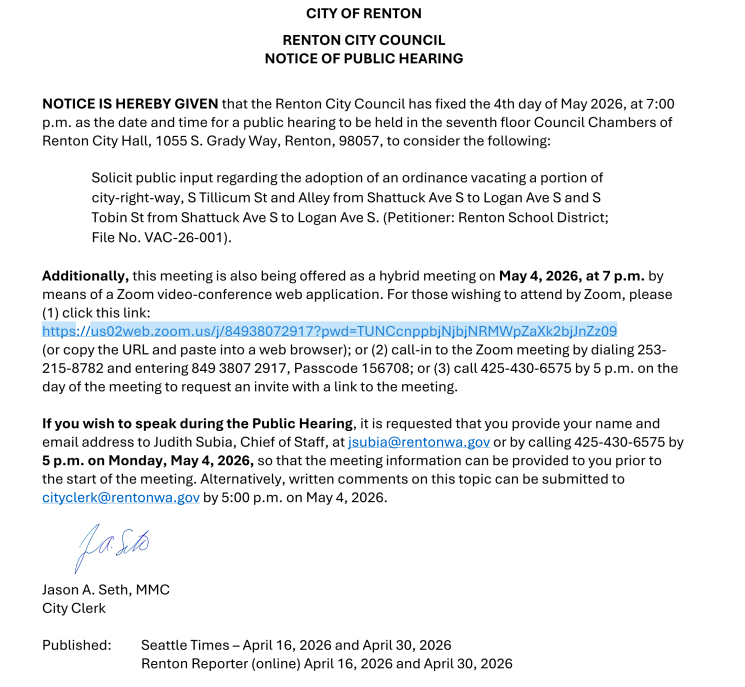


May 4th Public Hearings details; from city website here


Renton Historical Society protects local history without city support, as Renton becomes half the age of USA

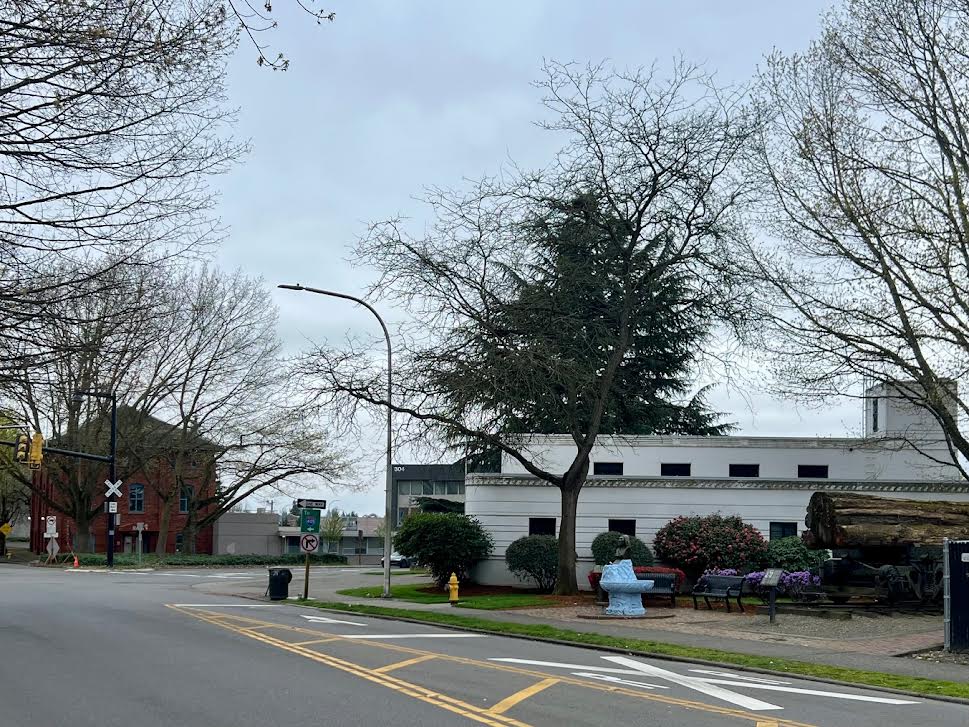
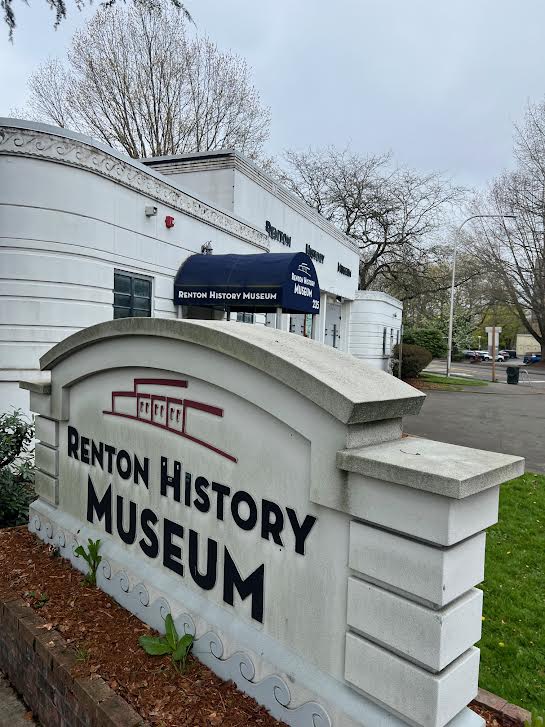
Renton History Museum operated from 1979-2025. It was closed by an abrupt, privately-made decision by the city with no public input.

The City of Renton celebrates our 125th birthday on September 6th, two months after our nation celebrates its 250th birthday on July 4.  Renton will become half the age of the USA.

This milestone occurs the same summer that world-wide visitors will be filling Renton’s hotels to attend World Cup soccer events.  But if these visitors want to learn anything about Renton’s storied history, they won’t find it at the Renton History Museum.  Until last year, the Museum building was filled with 45,000 historic artifacts curated by the non-profit community-run Renton Historical Society.  But in January 2025, the City of Renton abruptly evicted Renton Historical Society and their artifacts from the surplussed-firehouse museum building that they had leased since 1979.  The City said they were going to make urgently needed updates to the building and then operate the museum as a city department.  Nearly a year and a half later there have been no building updates, and the City has not put any displays in the Museum.

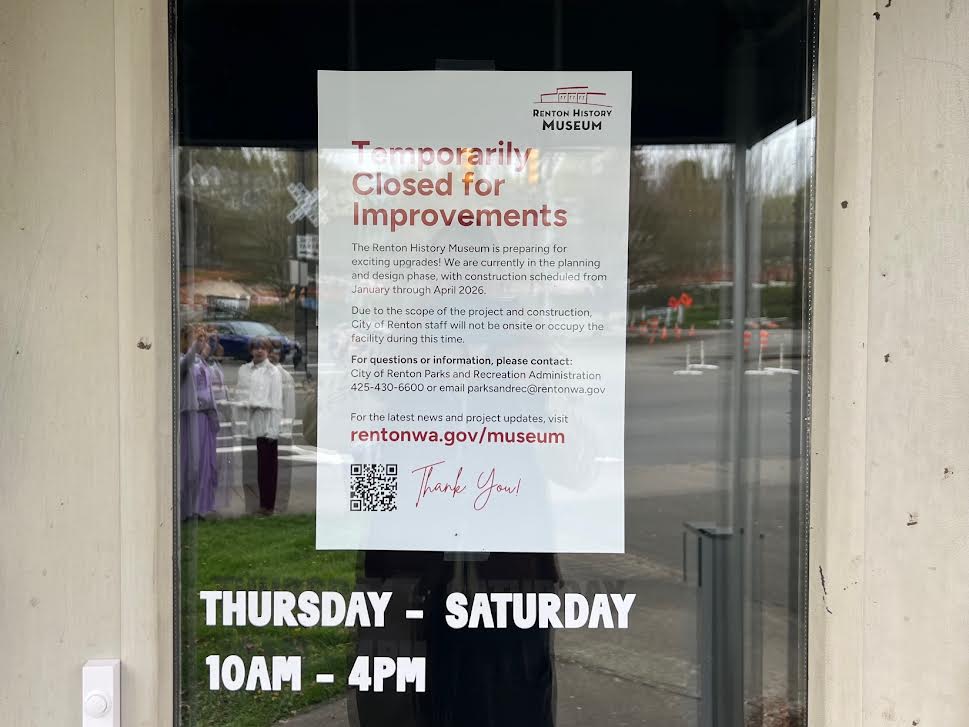
The City-posted sign on the Museum door says it’s closed for renovations January through April. No renovations are occurring and non-museum uses are now being scheduled into the building

Fortunately, Renton Historical Society carefully boxed and stored their 45,000 Renton artifacts, photographs and documents last year when they were evicted, and they just purchased their own historic downtown building to rebuild a Museum.  Their replacement building is across the street from their previous building. It is the oldest brick building in Renton, built in 1898, and an excellent location for them to share their artifacts, hold classes and workshops, and provide office space for their many volunteers that help run the Society.

Renton Historical Society has purchased the two-story brick Snoqualmie Falls Power Substation Building, built in 1898, and its attached annex, across the street from the Renton History Museum.

The Society’s commendable actions upheld decades of commitment to their present and past donors and volunteers, who have documented local stories, supplied antiques and cash, and even left entire estates to Renton Historical Society to benefit the public.  Even during this time of displacement, Renton Historical Society has kept their photographs and artifacts available to the public and maintained regular office hours at their temporary leased location at Renton Technical College, where they have some items on display and many available in indexed boxes. They have also continued to share photos and stories on their website.

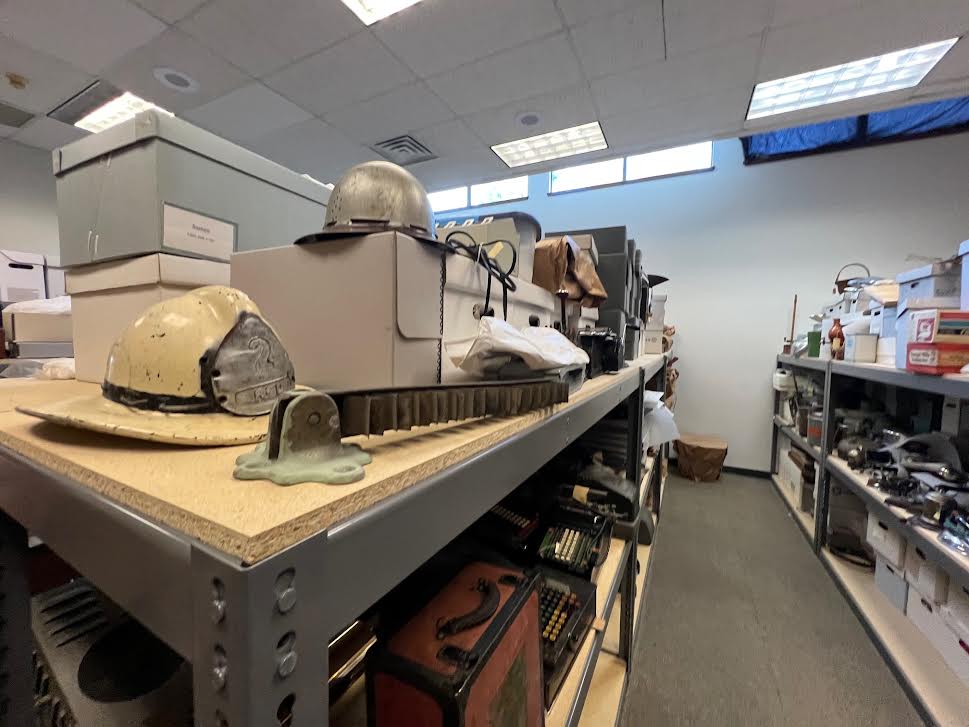
The Renton Historical Society’s artifacts, photographs, maps and other items fill multiple rooms at the Renton Technical College Annex, where the society has been leasing space this past year.


Did this have to happen?

On January 30, 2025 the Renton Reporter ran a story titled “Renton Historical Society asked to remove artifacts from museum for renovations“.  The article includes this statement taken from a Renton Historical Society press release, “Most noteworthy is the fact that the city cannot provide financial or logistical support to any outside organization, including nonprofits like the Renton Historical Society. As a result of this change of city policy, the Renton Historical Society now manages its own administrative, financial and fundraising efforts.” I assume someone at the City of Renton had told them this, but it does not ring true.

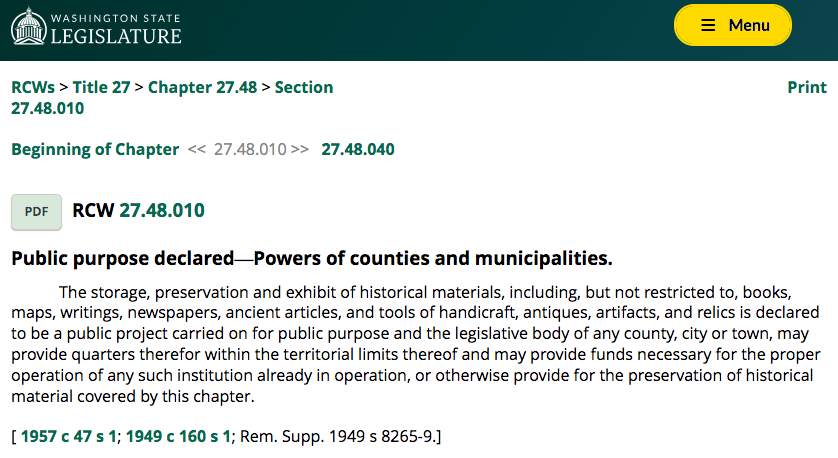
Washington law RCW 27.48.010 clearly states that Cities can provide “quarters” and funding for museums, consistent with the historic lease and operating agreement between the City and Museum.

This long-time Washington law empowers cities to “provide quarters” for museums, as Renton did.

In the same Renton Reporter article the City says the move was required for renovation:

“Renton communications and engagement director Laura Pettitt said the forced move is due to planned renovations. The museum is currently in the process of undergoing renovations, and every item in the building is slated for removal, whether owned by the city or the Renton Historical Society or any other entity,” Pettitt said. ” 

A year and a half later, with no renovations evident, it’s hard to believe that the need for an urgent renovation drove this change.  Especially because the city is now hosting some non-museum activities in the building.  It might be that City leadership simply became disinterested in our local history.

The only thing we know for sure is that Renton Historical Society has done a solid job protecting Renton’s history, and they deserve our gratitude for it.

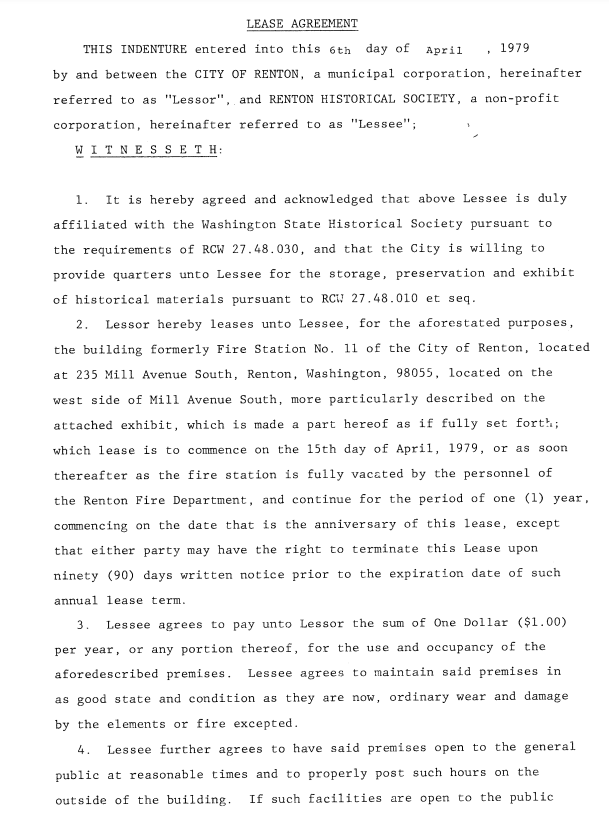
A 1979 partnership between the Historical Society and the City created the Renton History Museum to provide public education and preserve local history.  The Renton Historical Society occupied the old fire station building for $1 per year, on a perpetually renewing annual lease. The Historical Society paid utilities, and performed regular maintenance, including care of the landscape. The Historical Society provided the exhibits, staffed the museum, applied for grants, and conducted fundraising drives. Starting in the 1980s, the city provided one staff person to help run and manage the museum.


Renton Senior Center to be closed for refurbishment April 15th through September 30th

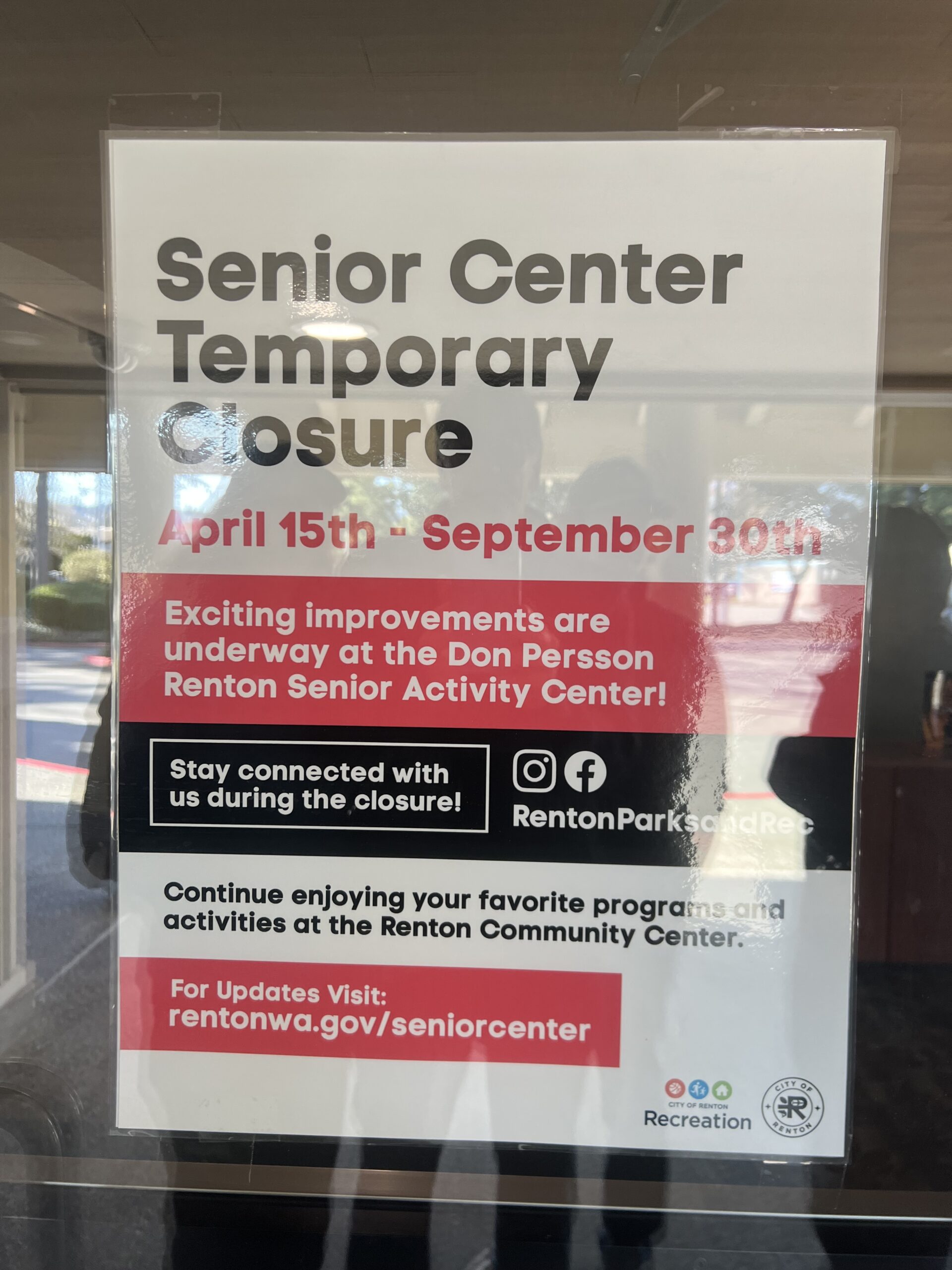
Renton’s wonderful Don Persson Senior Activity Center will be closed for some much-needed refurbishment starting on April 15– just 6 days from now.  Presumably, many of the activities will be moved to the Community Center, but the specifics have not been shared at this point.  This could come as a surprise for anyone who has not visited the Senior Center in the last week, since signs at the center have only recently been put up, and the city website does not mention the closure anywhere that I could find.   In addition, the Senior Center calendar remains unchanged from previous months.  I recommend that the City’s communication department get some announcements posted, preferably to the City’s home page and the Senior Center page.

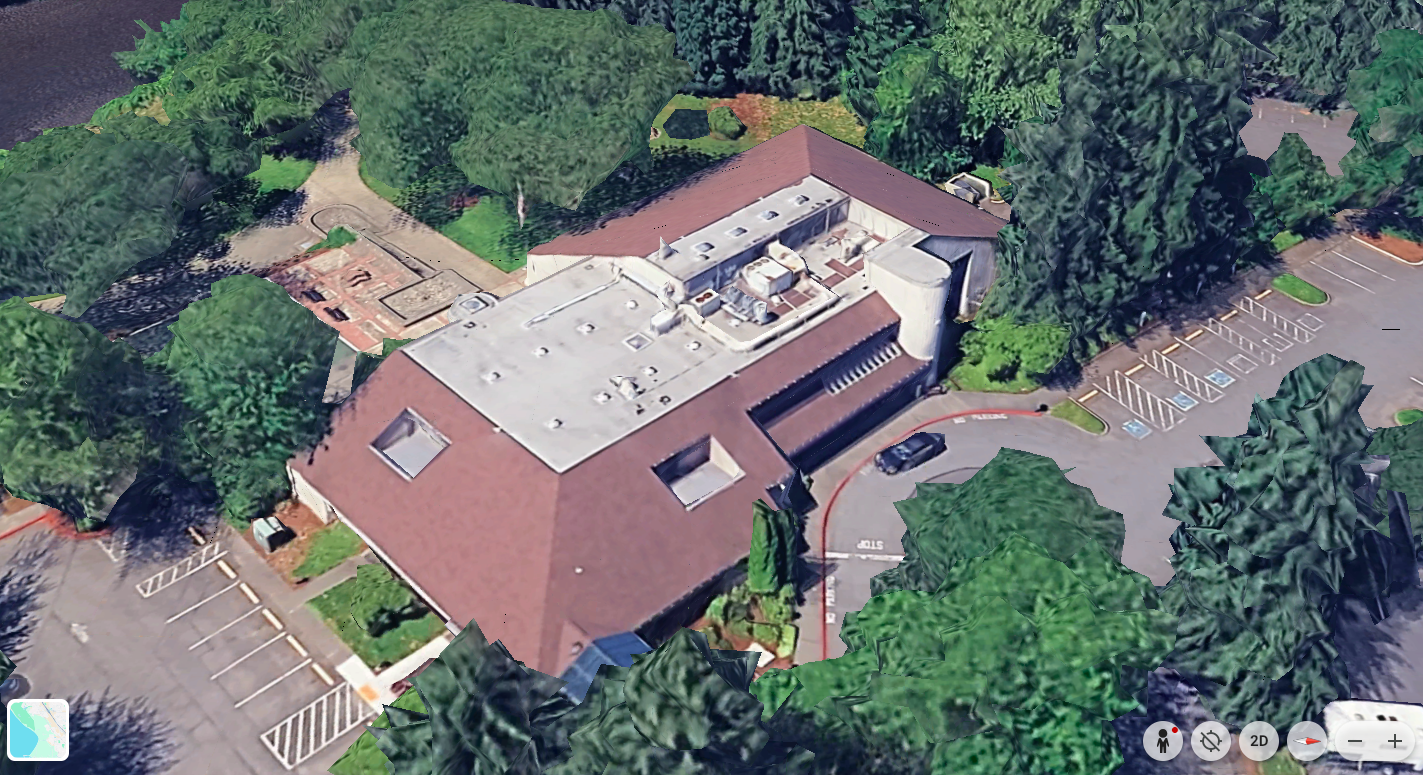
The beautiful and popular Don Persson Renton Activity Senior Center sits on the banks of Cedar River, just across Logan Way from Renton Stadium and Renton Airport. The roof needs replacement, and all of the HVAC equipment on the flat roof section is also due for replacement. The work will deactivate the cooling and ventilating in the building during the construction period.

The City Council has briefly discussed the closure in a Committee of the Whole meeting in March, but even during that meeting it wasn’t clear that that the closure would last over six months.  And few residents watch these meetings. Unless a resident watched that meeting and took notes, they likely won’t know this closure is coming.

The refurbishment is described as a new roof, siding, windows, and HVAC system (heating, ventilation, and air conditioning system).  These will all be desirable improvements that are arguably overdue on this building. I’ve had some residents ask me if I know why the Senior Center would have to close down entirely for these changes since much of the work is external to the building.  And the answer is that the HVAC system will need to be deactivated during the roof replacement since much of the equipment is on the flat part of the roof.  Without air conditioning and ventilation, the building may not be a safe environment for its normal activities in the summer.  In addition, the windows will be replaced which will require interior work in all the rooms.  And the refurbishment also includes updates to fire and communication systems, and other systems that run throughout the building.  Having contractors working on all these systems at the same time classes are going on could be a safety risk and a logistical challenge.

Unfortunately, the work has come at a time that the city has many other buildings out of commission, undergoing repairs or refurbishments.  This will add to the scheduling challenges.  The Pavilion Event Center is being converted into a Market, Carco Theater is being repaired after the December Cedar River flood, the Mill Avenue building (old city hall) is being repaired after it was flooded by a broken 16 inch water main, and the Renton Historical Museum building was abruptly closed about a year ago for refurbishment. In past years, these building might have offered extra space for classes and events.   With all these closures, the Community Center will be working to absorb as many of the Senior activities as possible, which will be a challenge in the building and in the adjacent parking lots.  The parking often gets packed in the summer from the Henry Moses Aquatic Center.

In summary, I’m glad that City Council authorized the refurbishment of the Senior Center. While the work requires a closure, I recommend the closure be communicated to the public more urgently and thoroughly, and I hope the contractor can get the job done swiftly– early if at all possible.

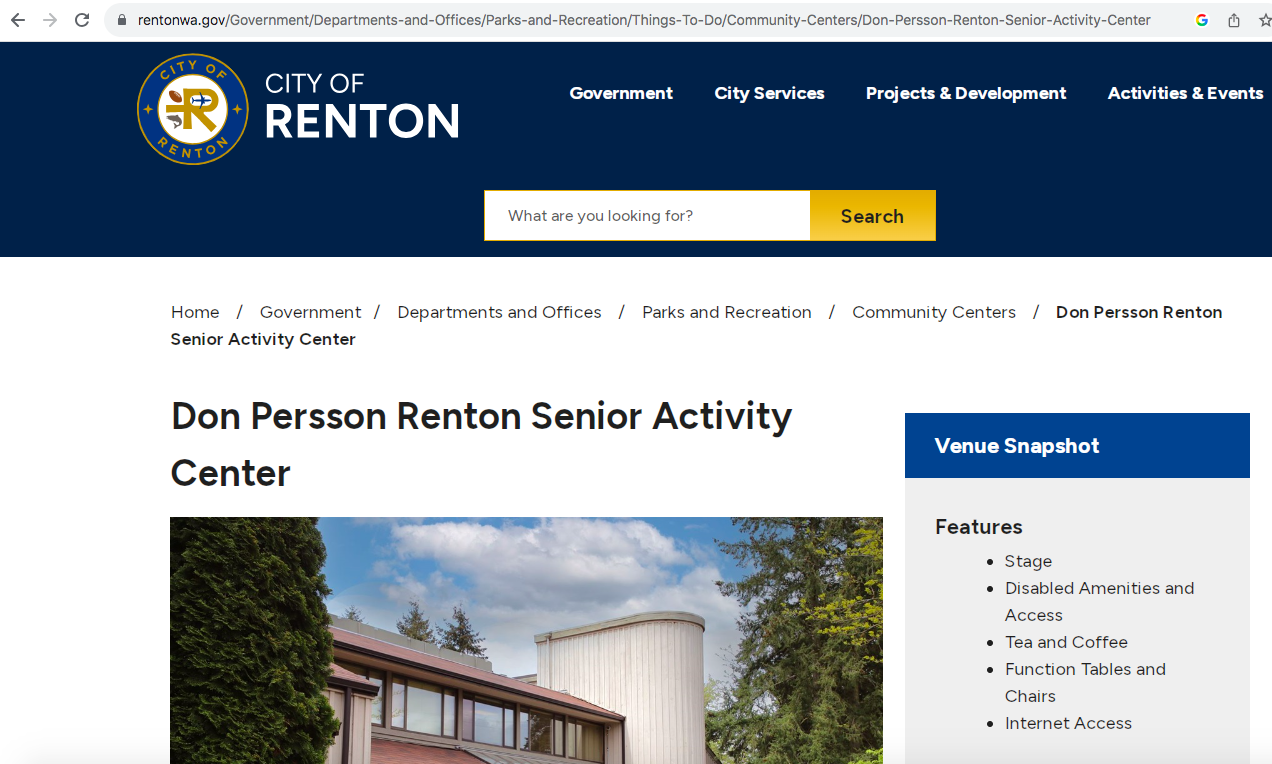
Banners should be added to this Senior Center page and the City’s home page advising of the upcoming closure
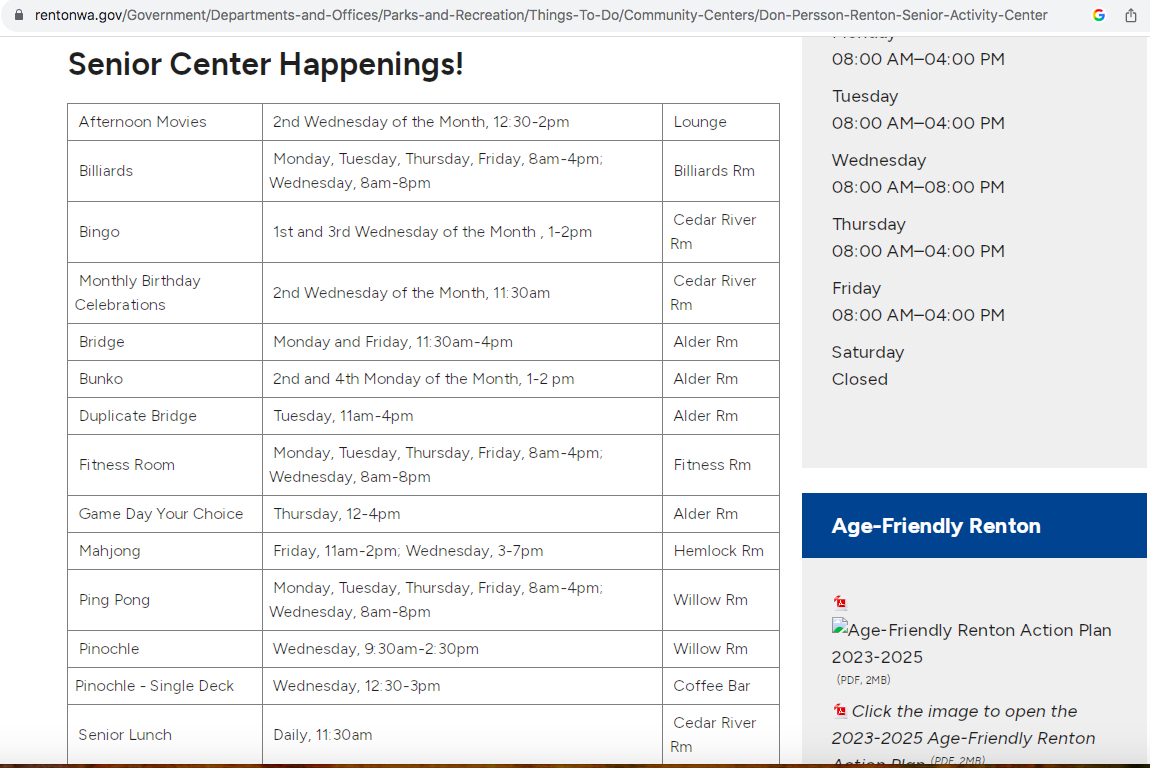
As of today, the posted schedule looks like all activities are happening normally
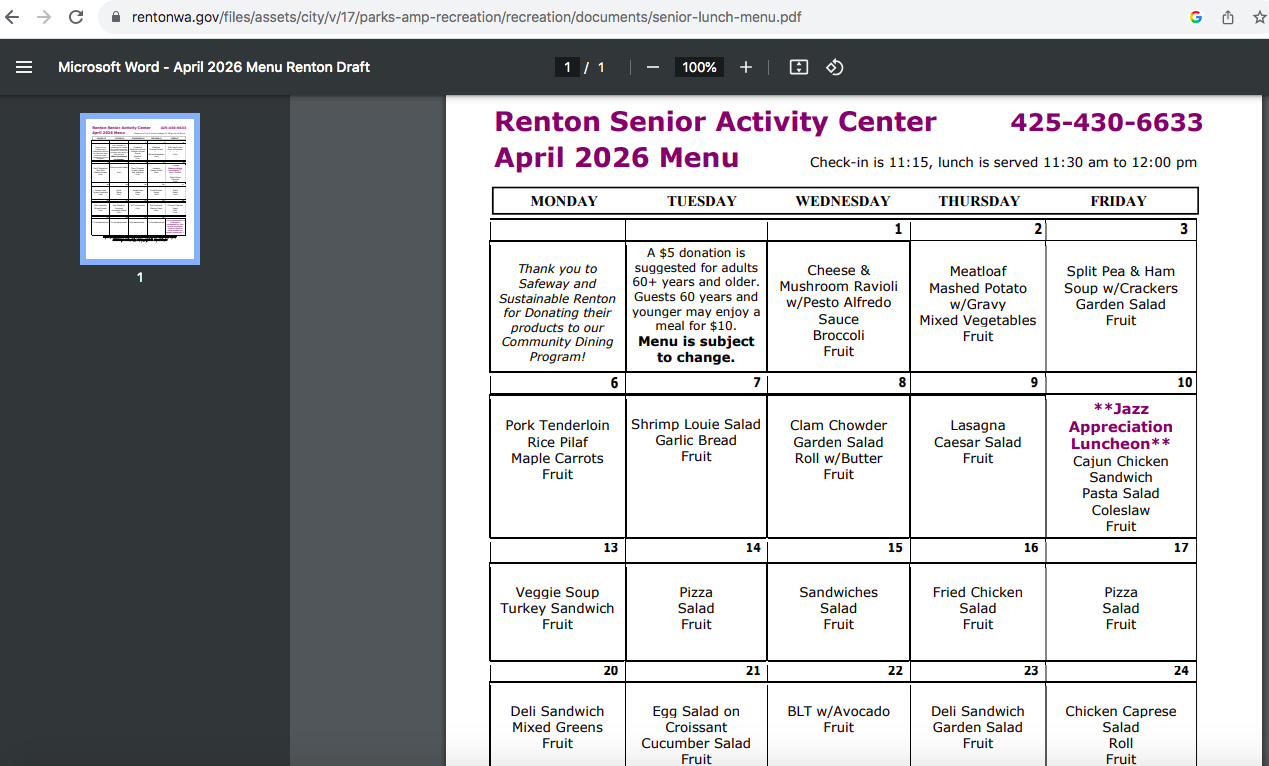
The website’s April lunch menu gives not hints that the Senior Center will be closing
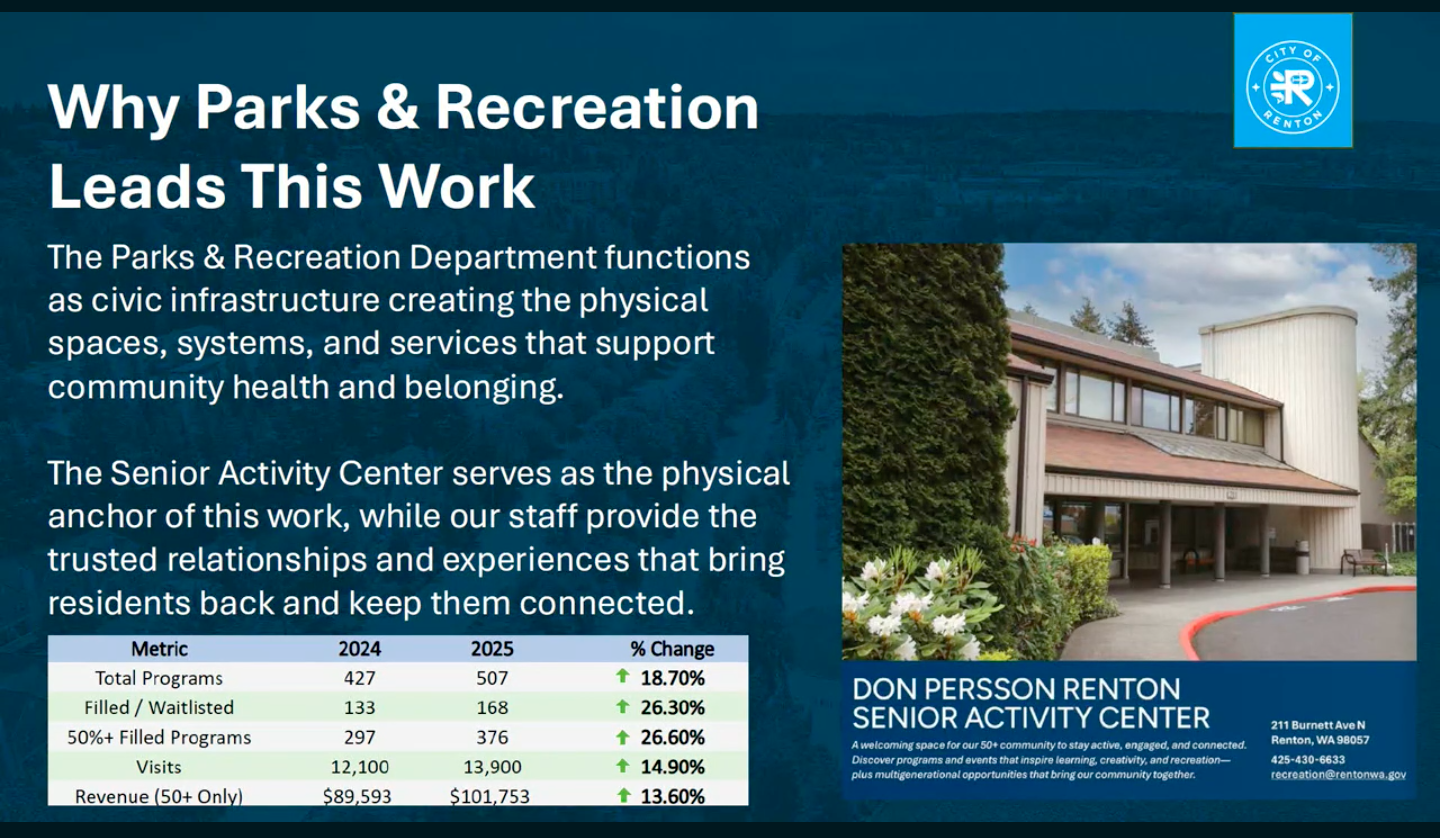
This chart was shown during the March 2nd Committee of the Whole meeting, where Council was told in general terms about the upcoming work and schedule disruptions.
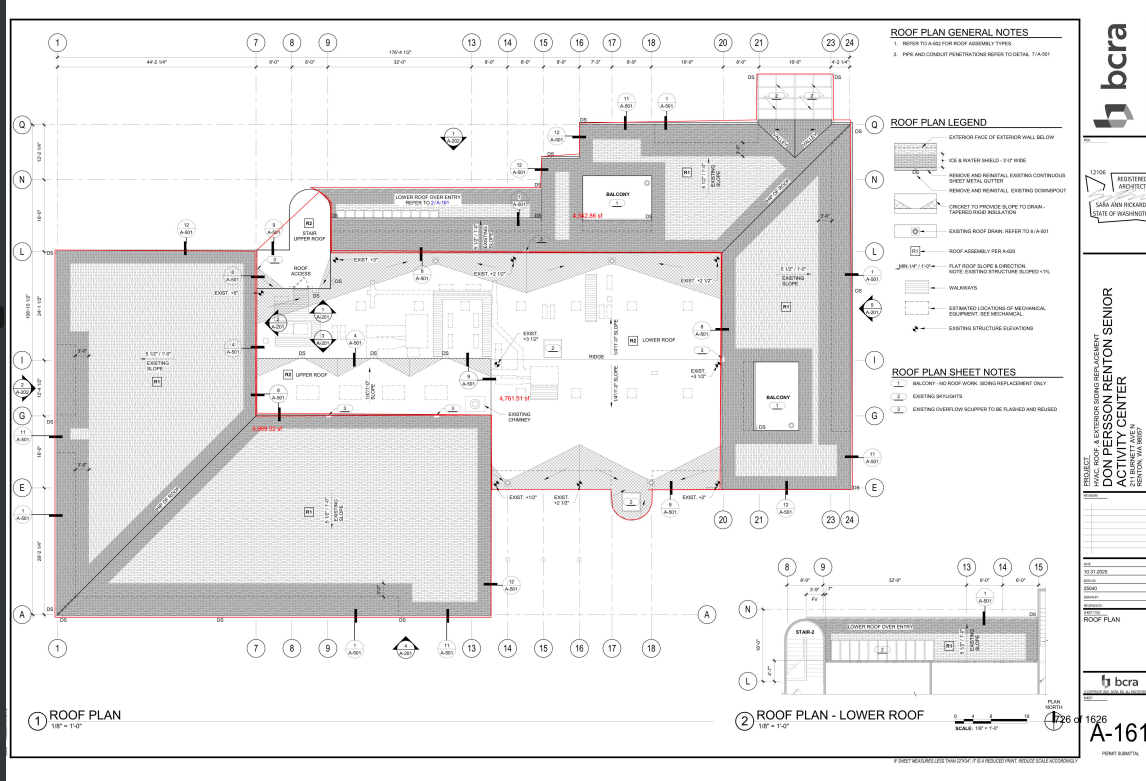
This is one page from the thousand-page construction contract that was approved by Renton City Council at their April 6 meeting. This drawing shows the replacement roof and the new high-efficiency HVAC heat pumps being installed on the flat roof section.
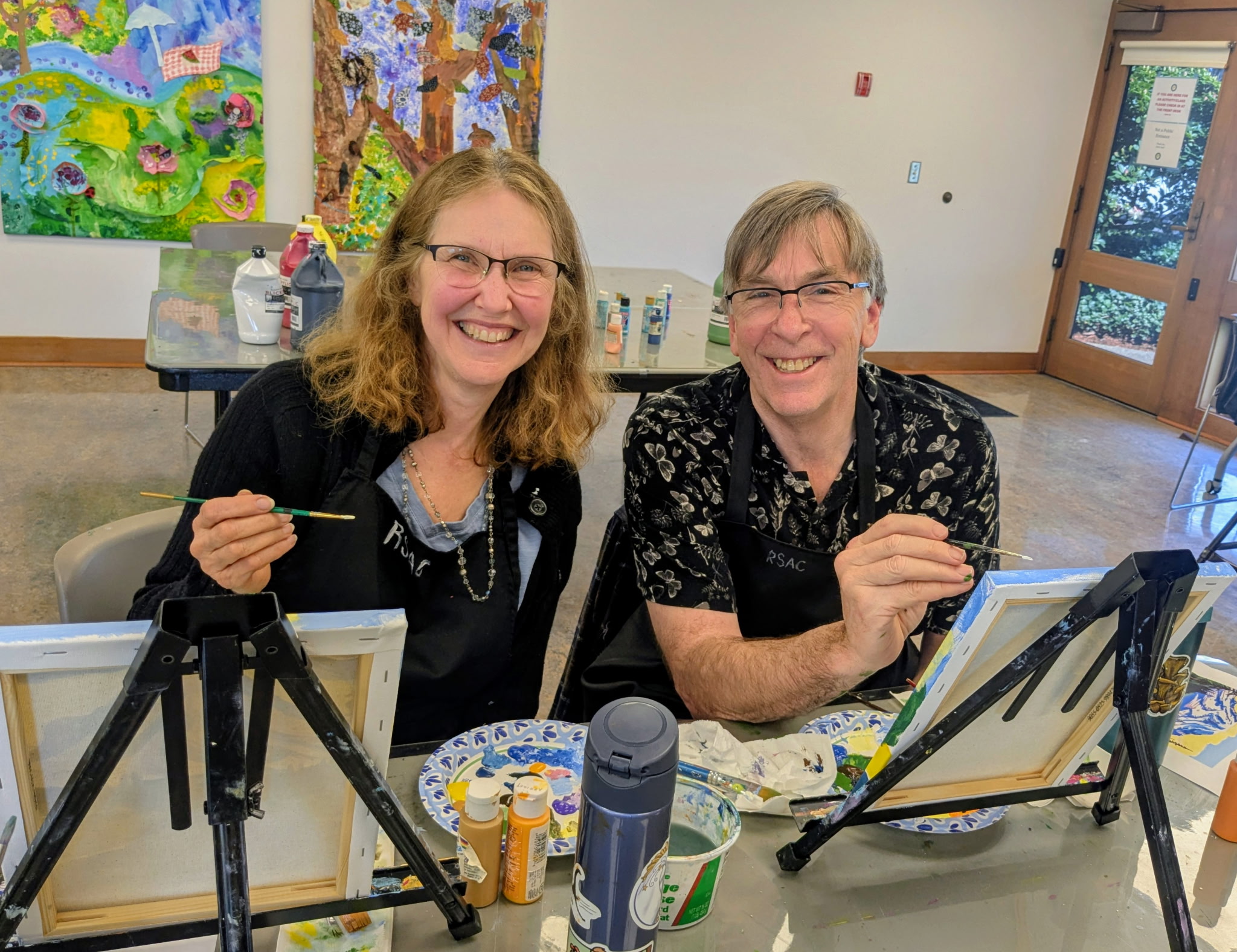
My wife Cathy and I attending a fun painting class at the Don Persson Senior Activity Center last week. Senior Center activities are offered to everyone age 50 and above.

Armondo Pavone becomes first Mayor in Renton’s history to say Renton didn’t want light rail

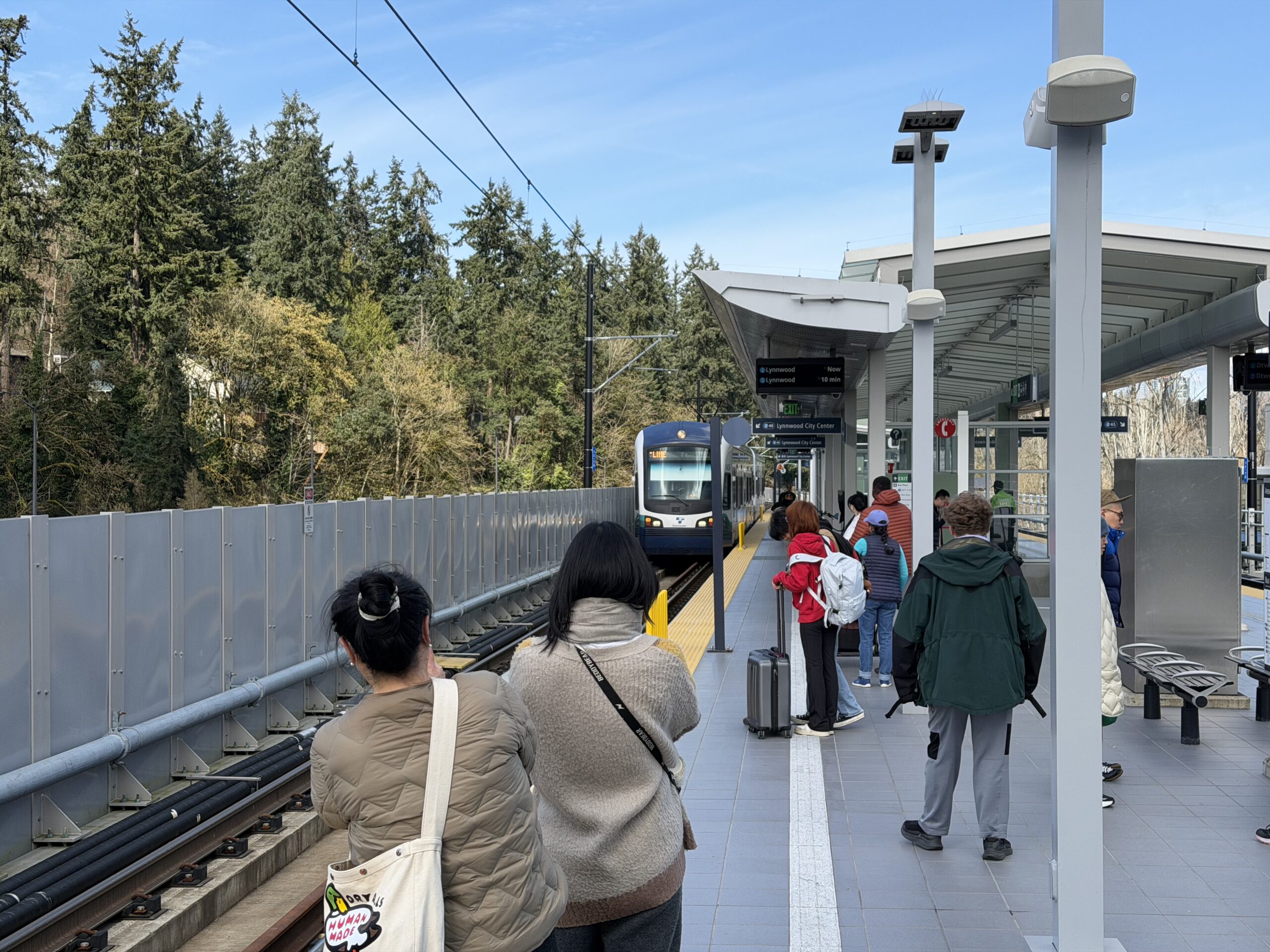
Passengers at the South Bellevue light rail station await the arrival of the train that will take them to Seattle. (Renton is still waiting for a station.)

The Renton Reporter informs us that in Mayor Pavone’s “State of the City” address he said the city missed an opportunity by denying light rail to preserve the small town feel.  That decision continues to shape some of the challenges we’re working to overcome today.”

This untrue statement by the Mayor works against Renton’s urgent need to obtain equitable transit service.  And the statement is grossly unfair to the four Mayors that preceded Mayor Pavone who all toiled through complicated, difficult regional politics to try to get Renton light rail access.

Mayors Clymer, Tanner, Keolker-Wheeler, and Law all labored to get light rail service to Renton. Mayor Clymer led Renton through our first Growth Management Plan in 1994, in which Renton worked to be recognized regionally as an “Urban Center.” This designation, which required upzoning of downtown and South Renton, was accomplished primarily to make Renton eligible for regional high capacity transit, which was just coming into existence with Sound Move in 1995.

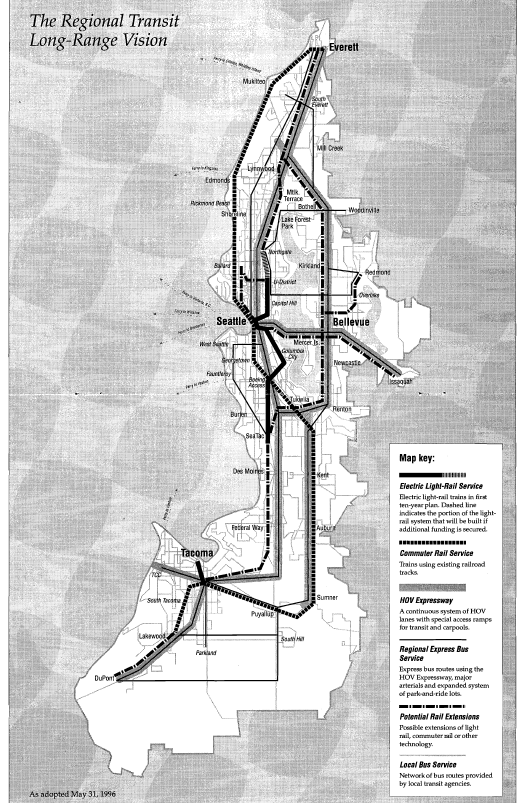
Renton has been working for 30 years to get high capacity transit along the I-405 Corridor, as shown in this 1996 Sound Transit Long-Range Vision. This vision shows Regional Express Bus Service (BRT) on I-405, along with a “potential rail extension” along the corridor.

Mayor Tanner worked to recover funding and commitments from Sound Transit after the agency backed out of their ST1 campaign promise to spend $100 million improving regional bus service in Renton with HOV direct access connections to I-405.  Mayor Tanner, an accomplished engineer and former FAA executive who had spent his life promoting safe public transportation, would have been delighted if Sound Transit had offered to install the light rail system per the 1996 long-range vision.

Mayors Keolker-Wheeler and Law both advocated vociferously for Renton light rail through Sound Transit 2 and Sound Transit 3 planning efforts. But ultimately the fact that Renton is in Sound Transit’s Eastside Planning District and our Eastside Board Members were from Bellevue, Redmond, and Issaquah was too big a hurdle; all three of these cities received light rail while Renton did not.  Both Mayors sought Renton representation on the Sound Transit Board, and both were turned down until after ST3 had passed.  In a series of past blog posts I’ve given the details of these frustrating battles to bring light rail service to Renton.

These four Mayors were backed by incredible staff leadership, including Chief Administrative Officer Jay Covington and Public Works Director Gregg Zimmerman, who both advocated for high capacity transit for Renton for thirty years.  The Renton Mayors were also supported by about twenty-five councilmembers during these years who would have all liked to see Renton get light rail service.  Many of us on Council worked countless hours on regional bodies in east King County, south King County, and in Seattle in an effort to get us light rail.

If Mayor Pavone has knowledge of any of these previous Renton public officials working to deny light rail to Renton, he should be forthcoming with the names of those involved.

When I retired in 2021, Renton was supposed to receive BRT Stride Service starting in 2024, with a parking garage at the Rainier/Grady station and a large park-and-ride lot at the Seahawks station; and Sound Transit was supposed to be spending $5 million to develop concepts and layouts for a potential future light rail line from Renton to Burien along the I-405 corridor.   But since I retired, the BRT service was pushed out to 2028, the parking facilities have been delayed until 2036, and the Renton light rail study has been seemingly ignored.  A year ago, many Renton Highlands residents were celebrating that new King County Council legislation would provide improved access to light rail via more frequent Metro 111 service once the Seattle-Bellevue rail link was activated.  But Metro has recently delayed this improvement, and Renton officials have not even acknowledged it yet, let alone tried to speed it along.

Mayor Pavone cannot blame these delays on past Mayors or Councils.

2015 Sound Transit Corridor Studies, in advance of finalizing the Sound Transit 3 package, included two Renton light rail options that aligned with the 1996 long-range vision. Renton officials strongly advocated for funding one of these in ST3, but only got a commitment that Sound Transit would spend $5 million developing the layouts for a Burien to Renton light rail line (along with providing Stride Bus Rapid Transit service on I-405). Current Renton officials need to hold Sound Transit to their commitment to finalize the Renton light rail concept.


Excerpt with context from April 6, 2026 Renton Reporter:

“Pavone said they have to plan with the future in mind, which involves making tough decisions. He cited the land acquisition for the expansion of Coulon Park in the 1960s and moving the car dealers out of downtown as good decisions the city has made. However, he said the city missed an opportunity by denying light rail “to preserve the small-town feel.” “That decision continues to shape some of the challenges we’re working to overcome today,” Pavone said. “The decisions we make now will define our future. It’s up to us whether we impact it positively or negatively.”