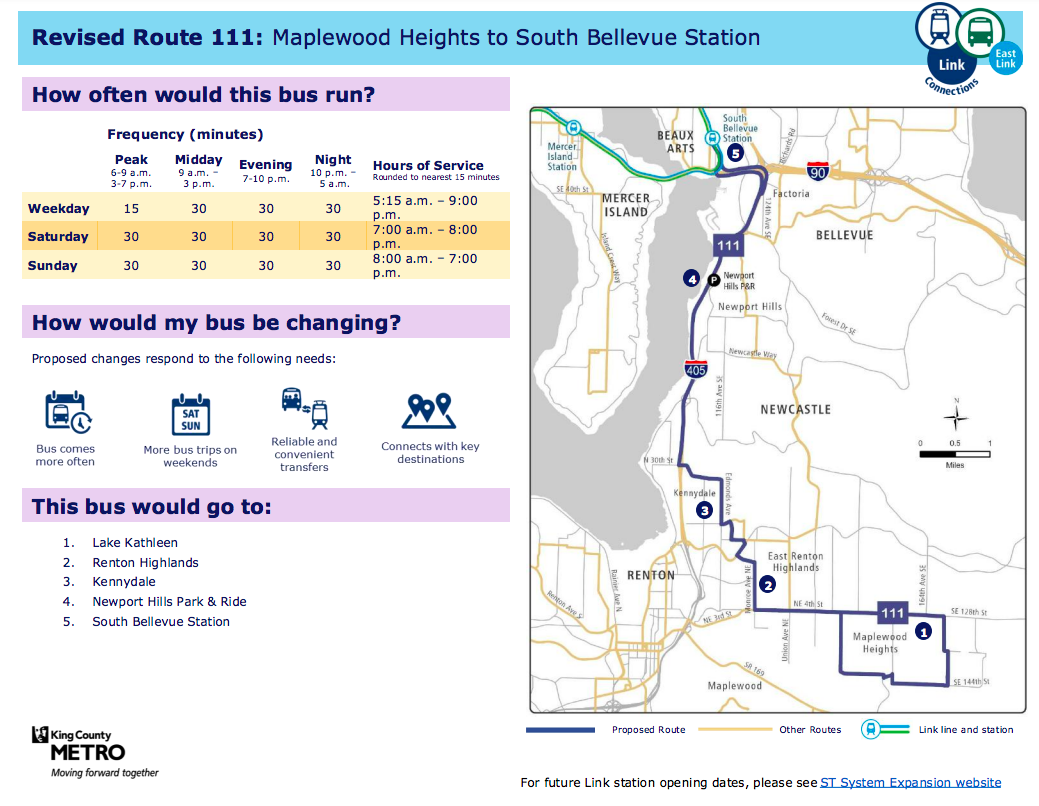
Metro Route 111 will provide all-day, 7-day-per-week, connection to light rail beginning Aug 29

This new schedule will begin on August 29, 2026

Renton Highlands will be getting significantly improved bus connections to Link Light Rail at the end of this month.  This will be a very welcome improvement for Renton residents who live near this route.  The route has historically only provided commuter express service to Seattle for a few hours each weekday morning and evening, at times that don’t always align with individuals’ work schedules.

The new Metro Route 111 schedule will begin on August 29.  The new Route 111 will run 16 hours per day on weekdays, 13 hours per day on Saturday, and 11 hours on Sunday providing connections from Renton Highlands to the Link Light Rail station in South Bellevue.  Headways will be 15 minutes on peak weekday hours, and 30 minutes during other times.  From the Bellevue station riders can catch the #2 rail line to Seattle, Bellevue or Redmond.  They can also transfer to the #1 rail line in Seattle to go to the airport, Federal Way, or Lynnwood.

Continue reading →

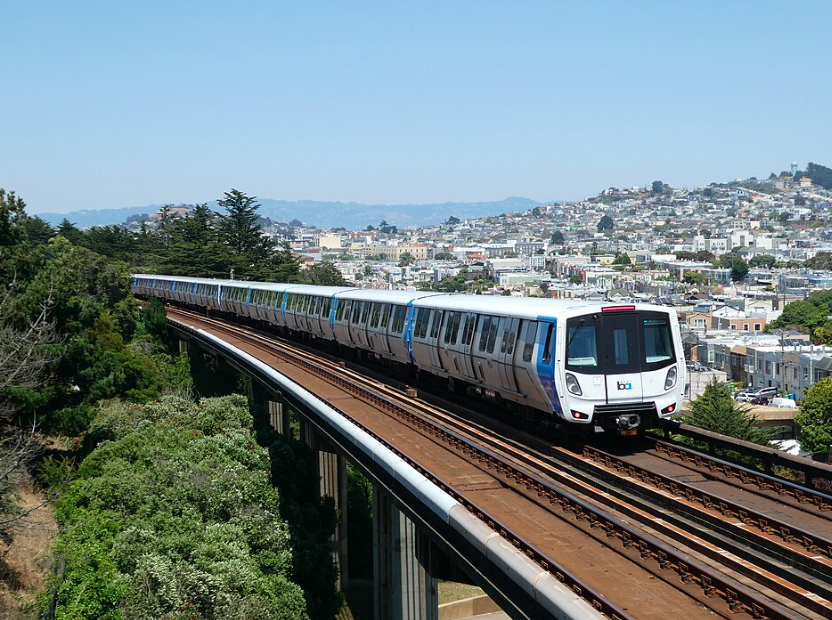
Bay Area Rapid Transit (BART) considering massive service reductions and station closures

BART train in South San Francisco (Photo from Wikipedia)

I’m even more concerned with Sound Transit’s plans and finances after seeing what is currently happening in the San Francisco Bay Area.

I have family and friends living in the Bay Area that have paid taxes for BART (Bay Area Rapid Transit) for 50 years.  Livermore, the town I was born in, has had a one percent sales tax to pay for BART since 1976, and the closest the rail transit system has gotten has been the Pleasanton/Dublin Station about ten miles away.  It took 20 years of tax payments for Livermore to get this (somewhat distant) access.

Now, because of more work-from-home, BART is thinking of closing this Pleasanton/Dublin station and 14 others, and reducing overall service by more than 60%.

Here is a “Dublin Patch” story with passionate objections about the closures from the former Dublin Mayor, who also chairs the BART board.

The possibility of finally building a station and then closing it a few decades later should be worrisome to everyone who has been waiting for a Sound Transit Link light-rail station. This includes Renton, where we’ve been paying Sound Transit taxes for 30 years, and Sound Transit is supposed to be spending 2-3 million to develop the concept for a future (still unfunded) Renton LINK station.  Sound Transit should tell us how they can be sure the same type of rail station closures won’t be threatened in our area.  Especially, as they are currently in front of the Legislature seeking approval to issue 75 year bonds.

Here is the official word on the BART financial crisis, directly from the official BART website.

I’ve written many blog posts about Sound Transit’s inequitable treatment of Renton, and what should be done about it.   You can find those posts by clicking here.  

Renton Highlands residents will get better access to Light Rail via Metro 111, starting next year

This chart is from Metro’s East Link connectivity program
Link Light Rail Train at South Bellevue Station

I’m overdue to discuss some good news.  The 30-40% of Renton residents that live in certain parts of the Renton Highlands will find they have improved access to Link Light Rail starting next year.  The Metro 111 busses that currently provide 5-day-per-week peak-hour service to Seattle are going to be rescheduled to provide 7-day-per-week all-day access to the South Bellevue Link Light Rail Station.  In addition to allowing people on any daytime schedule to use this service, this change will make the Metro 111 useful for passengers heading up the Eastside to Bellevue and Redmond.

And for those commuting to North Seattle or Lynnwood there is another perk; the trains that cross the lake from Bellevue will continue north in Seattle, without requiring a transfer.

The new Metro 111 route went through an extensive multi-year review process, along with many other Metro route adjustments; the changes received their final approval by King County Council in March of this year.

The Metro 111 will provide express service from Renton Highlands to the South Bellevue Light Rail Station

The changes will go into effect when the Link Light Rail cross-lake connection and the I-405 new express lanes are completed, sometime in 2026.

My extended family is certainly excited about this change.  For the first time in several decades of paying for Sound Transit, we will have ready access to its service from our homes in Renton Highlands.

For those who wish to learn more, this Seattle Transit Blog article provides a nice write-up on all the changes in work for  Metro Bus /Light-Rail connections on the eastside,  and the process that brought them about.

A couple years after that (in 2028 or 2029), South Renton and North Kennydale Residents will find they get good connectivity from the Sound Transit Bus Rapid Transit (BRT) service being implemented along the I-405 corridor.  Unfortunately, the expanded parking for the north and south Renton BRT stops has been delayed for another ten years. But the BRT busses will be rolling for those that can find parking, walk, bike, or get dropped off at the Renton BRT stations.

I’ve written many articles regarding Renton’s efforts to obtain equitable access to Sound Transit, and you can read them by clicking here.

My wife Cathy on the Link Light Rail between Bellevue and Redmond.

Renton Redditors debate whether Renton will ever get Link light rail service

A Renton reddit user recently posed a question on a Renton reddit page asking “could we please have light rail connectivity in Renton?”

Click here to see the complete Reddit thread on this topic.

One commenter says Renton Councils and residents of the past didn’t want light rail, some point to unfair lack of Renton representation on the Sound Transit board when key decisions were made, some point to Renton’s lower density than Seattle, some say our topography is to blame, and some say we’re not working hard enough to get it today.  One made an interesting point that Boeing, our largest employer, has many workers with shifts starting too early in the morning for Sound Transit trains (although Everett has a similar workforce and it is scheduled to eventually get Link light rail).

I’ve covered Renton’s concerns regarding Sound Transit extensively in the past, and I don’t agree with some of the reddit comments.  For instance, I always wanted Link light rail during the time I was on council (first writing about Renton’s struggles with the agency in 2007), and I don’t think our topography or density are less suited than other areas like Redmond or Issaquah.  I also agree with many of the comments, and I’m happy to see our community discussing it. I’m impressed with the level of interest and engagement by our community.

As I’ve said in my previous blog entries, I would like to see Sound Transit complete the five million dollar study that voters agreed to as part of Sound Transit 3 to determine an alignment and  layout for a future Link light rail station in Renton.  This study should be completed soon, to make sure Renton is not left out of any future Sound Transit 4 planning.

All my articles on Sound Transit can be found here.

Until Sound Transit and Metro better serve us, Renton should rework our parking standards

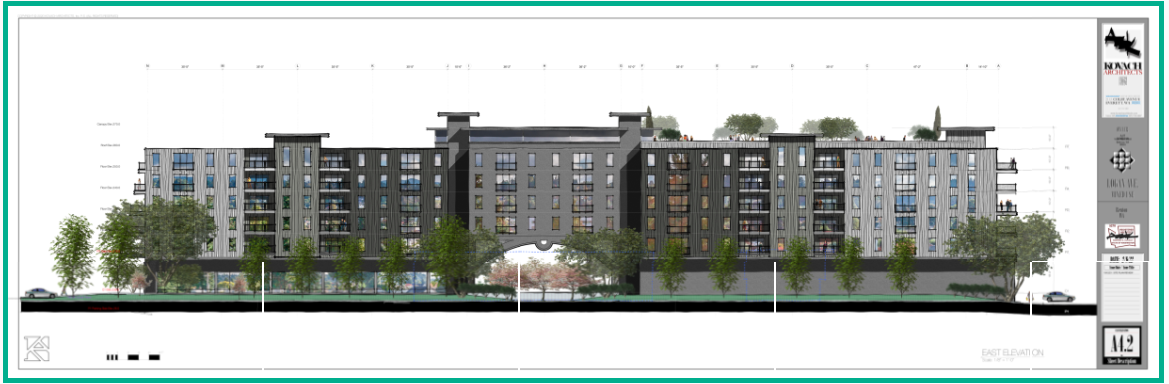
Looking east across the site of the proposed Logan Six development (field in lower third of photo), toward the adjacent historic homes in the North Renton neighborhood.  Residents are concerned their neighborhood streets will be inundated with cars from the 100-unit Logan Six, which they fear has too little parking for its size. They are also worried about traffic in and out.


Architects rendering of proposed Logan Six Development. The project includes 1, 2, and 3-bedroom apartments, but has only one parking spot per unit.


North Renton residents have brought the long-simmering issue of Renton’s parking requirements back to the forefront. They are rightfully concerned about parking in their neighborhood.  As the new Logan Six project makes its way through the process, it would be a good time for Renton Council and staff to reevaluate our parking standards to prevent the kinds of parking controversy that this project has generated.

For decades, King County Metro and other transit advocacy groups have encouraged Renton to reduce our parking requirements.  Ten years ago  King County Metro Transit concluded a lengthy study capturing their recommendations for “right sized parking” in their service area.  The goal of the study was to encourage transit use and lower housing costs by avoiding “overbuilding”of parking.

The recommendations were controversial, because Metro was encouraging Renton and other suburbs to reduce our number of parking spot requirements to Seattle levels, even though our level of transit service was nowhere near as good as Seattle’s.  Some of Renton’s Planning Commissioners, Council members,  and staff embraced the recommendations, and some of us didn’t.

Continue reading →

“The Urbanist” addresses Link light rail capacity challenges

Train headways that were once as brief as 6 minutes pre-pandemic (and were targeted to be 8 minutes) are now heading to ten minutes or more due to vehicle shortages and other financial challenges. Photo credit: Sound Transit


Urban Planner Stephen Fessler published an insightful op-ed in the Urbanist this week, with his suggestions for Sound Transit to get in front of their looming Link Light Rail capacity issues.  I hope Sound Transit gives the ideas the consideration they deserve.  In previous posts I’ve mentioned that Link Light Rail is running into vehicle shortages, and Mr. Fessler’s suggestions could potentially help mitigate these.

When Sound Transit’s Bus Rapid Transit Stride service gets implemented in Renton in 2028  (originally planned for 2024 ), it will drop passengers at Tukwila and Bellevue Link light rail stations. Link must have capacity and frequent service for the system to offer value to Renton commuters.

An excerpt from Mr. Fessler’s op-ed: “Ultimately, Sound Transit and its board need to understand that Link isn’t a bus, and the agency shouldn’t be in the business of treating it as such. Voters and partner agencies have approved billions of dollars to construct Link exactly because it’s a train, not a bus. But 10-minute frequencies and short trains tell the tale that Link is being run like a glorified bus. A rail line needs high frequencies and sufficient capacity to serve as the backbone of the regional transit network.”

How to bring Light Rail to Renton

When Sound Transit 3 was approved by voters, the package included a multi-million dollar planning study of a future light rail line to Renton.  While I was on Council I helped hire a consultant to get this study started, and we now need to urgently get it finished.

We will likely see a proposed Sound Transit 4 in the next two to three years, as Sound Transit has been forced to make compromises on planned service and schedule due to rising costs and pandemic impacts.  Polls show that voters in Seattle and surrounding areas remain highly in favor of mass transit (84 percent in Seattle), so any proposed Sound Transit 4 package is likely to pass, whether or not Renton is included in it or in favor of it.

A Sound Transit 4 package is likely to speed-up already approved projects, and Renton should insist on not waiting until 2040 for a light rail station.  Given Renton’s already large 107,000 population, with thousands of new housing units currently in planning or construction, and zoning for tens of thousands more, a Renton light rail station should be targeted for 2030 or earlier.

Renton officials must assure that the voter-approved Renton planning study is completed, and that a Renton light rail connection is included in any future Sound Transit package. 

The station location(s) should be identified,

The preliminary right-of-ways should be determined

The construction and operations costs should be estimated. 

Ridership projections should be completed

Renton’s past and future contributions to Sound Transit should be professionally calculated, so a strong regional equity case can be made to include the rail line in any future packages

Renton’s elected officials should then work together to assure the package is included in any future Sound Transit 4 initiative

As I’ve covered in other blog entries, Renton taxpayers have already contributed an estimated one to two billion dollars to Sound Transit, and we’re obligated to spending billions more.  Many Renton officials have worked hard to get this planning study authorized and underway.  Getting our deserved light rail line will require that the council work together as a team, and keep the Renton light rail planning study at at the forefront so that we don’t run out of time.

We must work collaboratively on getting light rail to Renton, or Renton taxpayers will be paying billions for decades for most other cities in our area to have high speed rail transit while Renton gets left out.

Getting the approved planning study completed and Renton light rail line added to a future Sound Transit proposal will require strong collaboration by Renton’s elected officials.  The plan I’ve outlined here was co-created with the many elected officials supporting me.

Sound Transit must prioritize their “planning study” for a Tukwila to Renton rail line

Millions of dollars were allocated in Sound Transit 3 to study a link light rail connection between Renton, Tukwila, and West Seattle. The study must be prioritized. Photo credit: Sound Transit


As I’ve covered in previous blog entries, Renton taxpayers have paid between 1-2 billion dollars for Sound Transit, and have received very little benefit.

When Sound Transit 3 (ST3) was approved by voters, it included several million dollars for a planning study of a light rail connection to Renton.  Renton must continue to push for this study to be completed, to ensure we are not left out of link light rail if a Sound Transit 4 is proposed in the future.

Many transit insiders believe there will be an ST4 proposed within a few years, as Sound Transit 3 funding isn’t covering all of the ST3 commitments, with one of the latest challenges being the quantity and cost of new trains.  While the Sound Transit Board has a fiduciary duty to deliver as best they can with the funds they are allocated  (making necessary compromises to design, operating frequency, implementation schedule, etc), the public could bring forward a new proposed ST4 bond issue to resolve these issues and enhance this service at any time.  The last I heard, the buzz was that it may happen between 2024-2026.

We must have a Renton Link Light Rail connection in any future ballot proposals.  I worked hard along with Renton’s Mayor and several council colleagues to get the Renton study into Sound Transit 3, and we then worked to jump-start the study by hiring a consultant to help us identify potential station locations and potential alignments.  We now need for Sound Transit to take this good work, and finish the job.

According to approved ST3 Documents, :

“The planning studies would help to identify the range of alternatives, evaluate potential routes and station locations and terminals, inform local
comprehensive planning, prepare for formal environmental review and engineering, and position the Sound Transit Board to evaluate options and
establish priorities for implementation in future phases of high capacity transit investments in the region. The studies will include public outreach,
preliminary environmental assessment, ridership forecasting, and conceptual engineering and cost estimating.

The studies include:
HCT Study: Light Rail Extending from West Seattle to Burien, connecting to Renton via Tukwila
This study would examine a light rail extension from West Seattle to Renton via Burien and Tukwila. The study would be completed in
coordination with local transit partners to examine a variety of options for service provision and to maximize opportunities for regional
integration.”

 The Issaquah-Kirkland line  is an example of a completed study. It includes 4 new stations and was funded with Sound Transit 3.

Part of the approved (and funded) plan for a Kirkland to Issaquah line


It’s way past time for Renton to get on the Sound Transit Link Light Rail long-term plan.  Unfortunately there are Seattle-based transit interests that don’t think Renton deserves a light rail line and they still want our tax money. Renton officials must push back against these opinions.  For example, prior to ST3, the popular  Seattle Transit Blog published an article which said:

‘The “tell” of excess focus on new regional connections is the heavy emphasis on the east-west Burien/Renton corridor.  To put it mildly, this is not a corridor where existing demand suggests a need for true high-capacity transit.’

Renton officials must be firm advocates for Renton when working with Sound Transit, so that Renton taxpayers do not spend many more billions of dollars while receiving very little benefit.

Part of the ST3 commitment to voters. Source: Sound Transit

Sound Transit’s 2023 Progress report does not include any discussion of these planning studies.


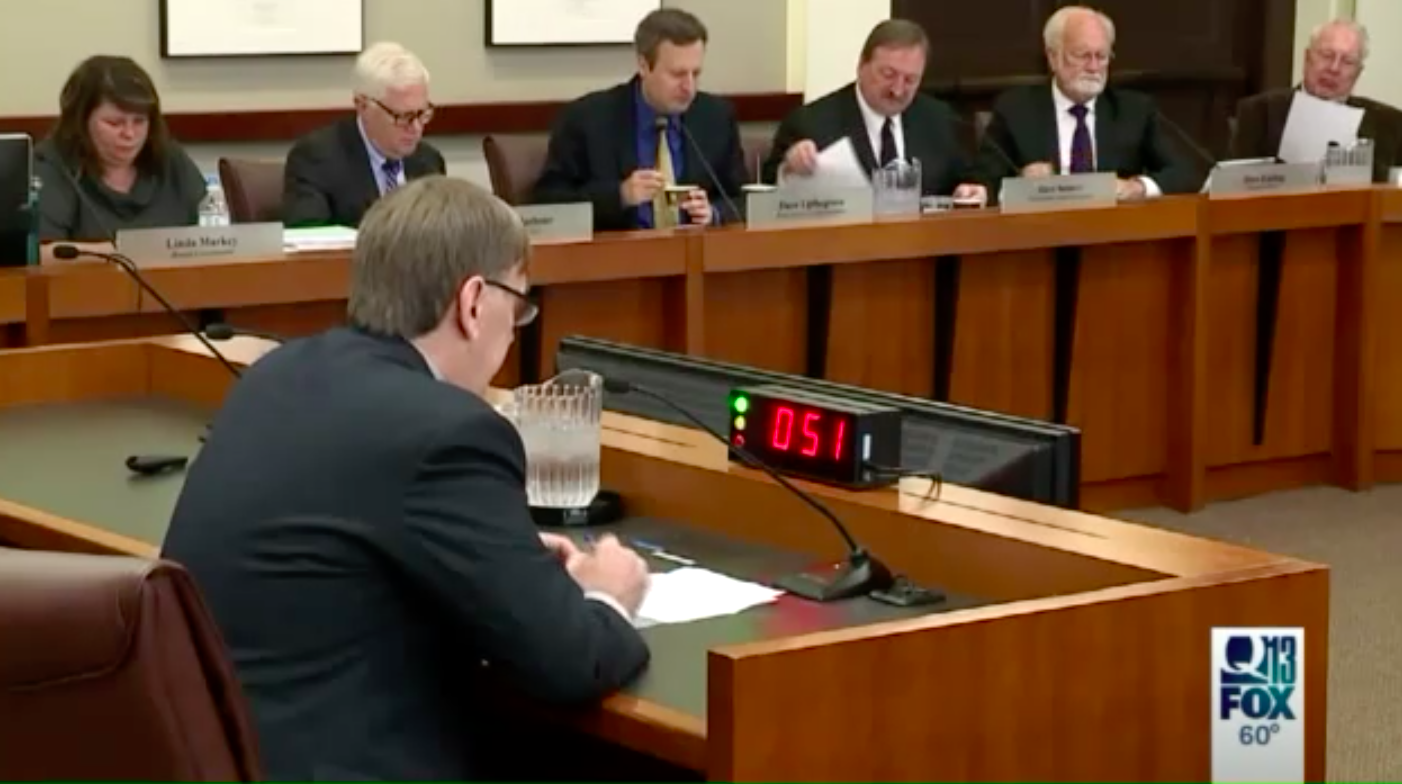
Randy Corman testifying to the Sound Transit Board in 2016. One of the board’s commitments was the study of a Renton-Tukwila light rail connection.  The full story is here.

More Sound Transit 3 documents and reports can be found here.

Pierce County expressing concern about Sound Transit delays; Renton should do the same

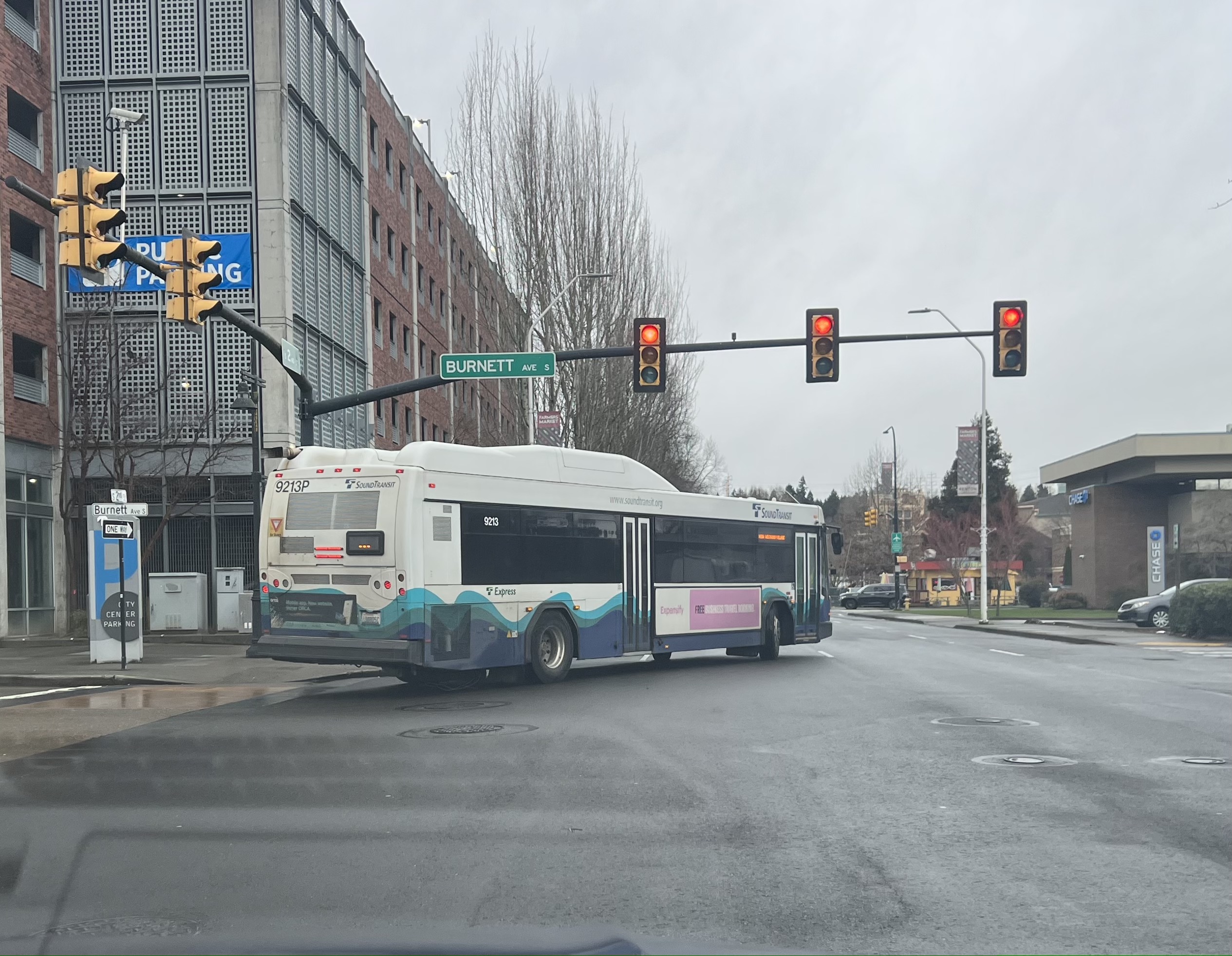
This Sound Transit bus has just made one of its Renton stops at our downtown transit center between South Second and South Third. This transit center is scheduled to be replaced by a new transit center at Main and Grady to support Sound Transit’s Stride express (BRT) service.  There is no parking planned at the new transit center until 2034 due to Sound Transit budget realignment.


My recent posts about Sound Transit delays in Renton here and here are timely, as Pierce County is now pressing Sound Transit to remedy delays to our south.  We should be partnered with Pierce County, not in competition with them, and I don’t mean to make it sound as if we are.  But as Sound Transit works to mitigate Pierce County impacts, Renton needs to insist the funding does not come from our already disproportionately small share of Sound Transit resources.

Furthermore, we should be in the front of the line, demanding that Sound Transit restore our parking for opening day of the BRT service, something that would only cost four months of Renton’s Sound Transit taxes.  It’s the most modest of requests after Renton has already spent about a billion dollars for very little service.

Continue reading →

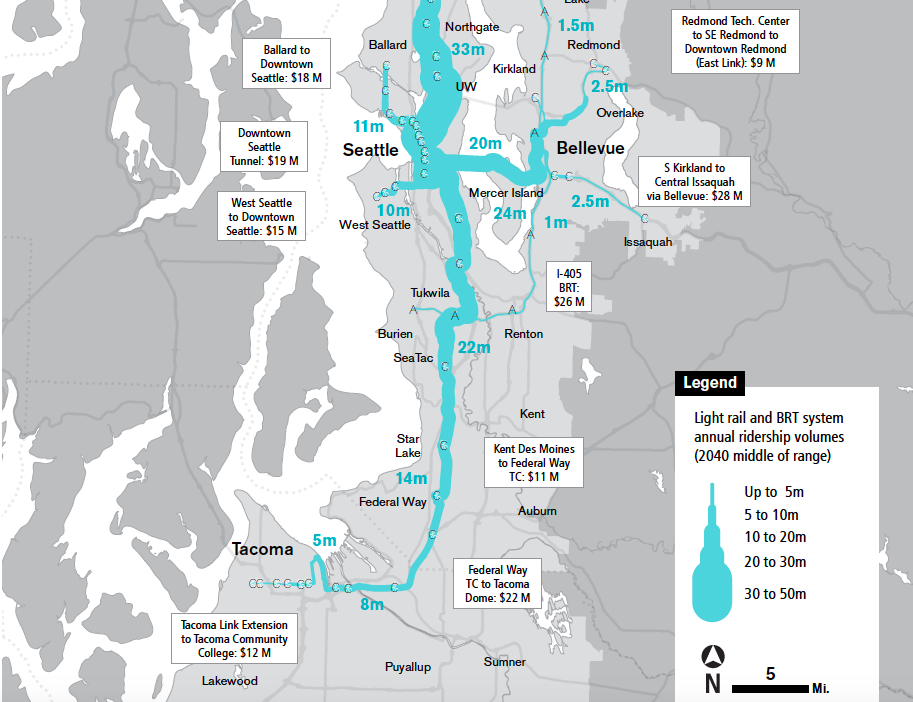
Sound Transit’s “Projected Ridership” criteria puts Renton behind and widens equity disparities

Sound Transit delayed Renton’s Bus Rapid Transit by 2 years and delayed parking facilities by a decade. These decisions were based in part on this ridership projection, which is ironically an outcome of disparate Sound Transit spending and planning to date.  Width of blue lines indicates predicted Sound Transit ridership.


Sound Transit, faced with financial problems, is choosing to focus their reduced resources on areas where they’ve already spent the most.  This is putting Renton even further behind.

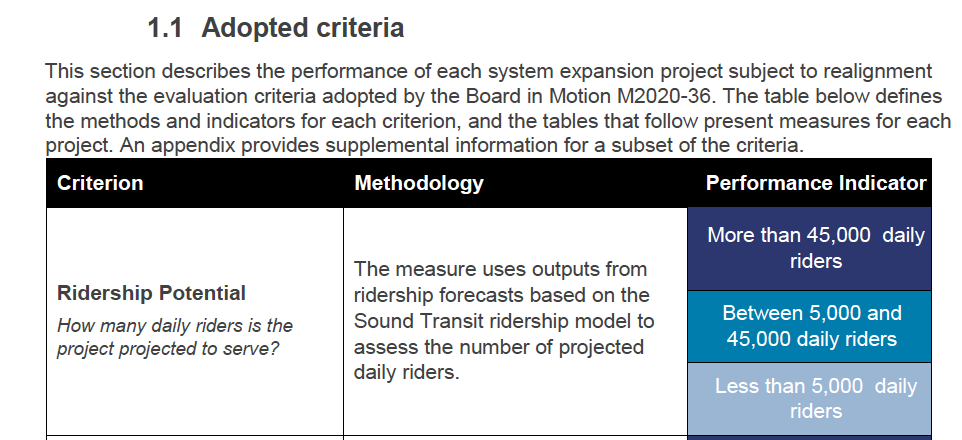
As I discussed in my  previous blog entry on this topic, Sound Transit has delayed Renton’s Bus Rapid Transit (BRT) service by two years and delayed its parking by 10 years.  This decision was made following a review of every Sound Transit project against specific criteria.

Sound Transit’s first criteria for determining which projects to keep on schedule is “ridership potential,” as shown in the map above. Ridership potential is largely a function of where past money was spent.

Continue reading →

Renton gives Sound Transit $50 Million per year for five shared bus stops

One of five shared Renton bus stops used by Sound Transit busses


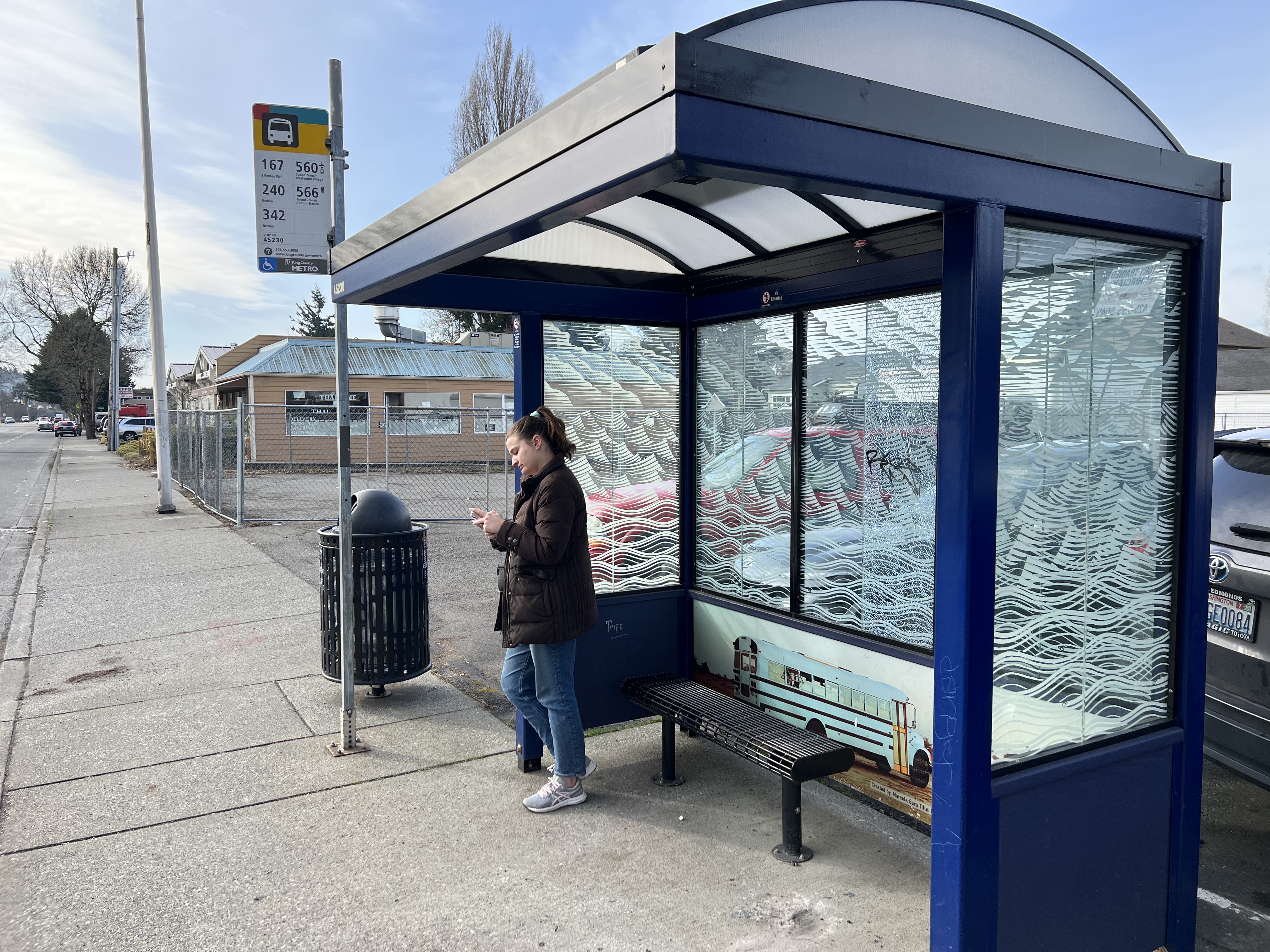
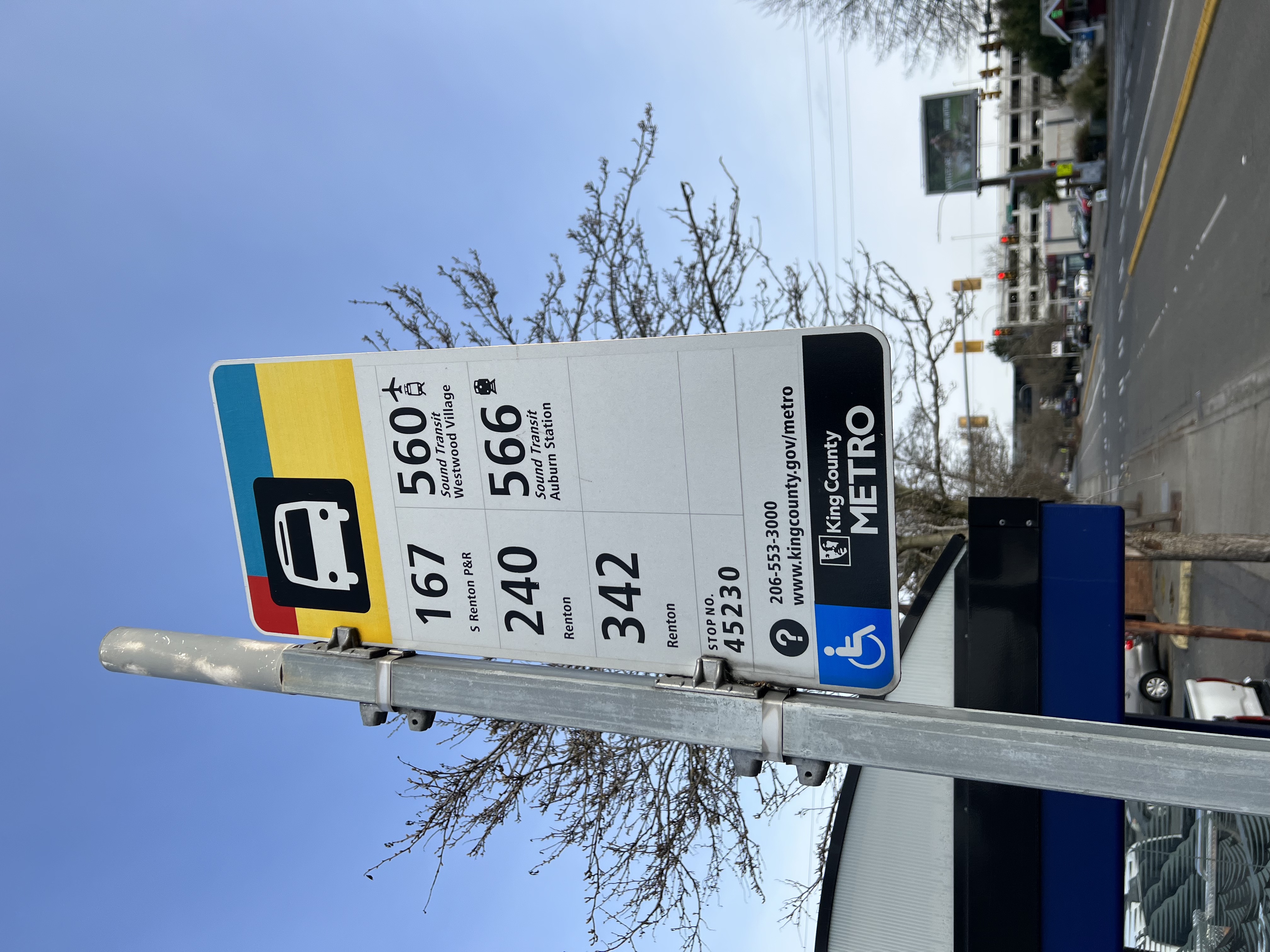
I’m going to begin a series of blog entries covering an important topic for Renton transit riders and taxpayers.  Renton taxpayers have so far given Sound Transit over a BILLION dollars toward the Sound Transit System, a lot of money from a city that has had a population between 60,000 and 100,000 during Sound Transit’s life. To date the only Sound Transit infrastructure  you can find in Renton is five shared bus stops.  Even worse, Metro transit (a different agency we also fund) paid for the bus shelters; Sound Transit just put up the shared signage.  The 560 and 566 ST bus lines go through our city and stop five places in downtown Renton on their trips between Bellevue and Seatac (560), and Auburn (566).

Renton taxpayers are currently being taxed over $50 Million a year for this bus service.

Five bus stops in Renton are shared by Metro Buses (listed on the left) and Sound Transit Buses (listed on the right). No other Sound Transit branded infrastructure appears in Renton.


In the mid 2000’s Sound Transit did give Renton about $19 million toward widening Rainier Avenue, but it was only about 20% of the money promised to Renton under ST 1, and it only happened because former Renton Mayor Jesse Tanner sued to get the money.

Many of Renton’s leaders, me included, have toiled to get Renton a more fair share of Sound Transit service, and have struggled against organizational obstacles that favored certain cities above others for light rail service and capital improvements.  Sound Transit is its own agency, chartered by the legislature, and is not subordinate to every city leader. As Seattle is looking at adding more Light Rail Stations, and Bellevue is adding several of their own, Cities as far flung as Everett, Redmond, Issaquah, Federal Way and Tacoma are all designing their light rail stations. Renton taxpayers will be subsidizing these stations.

Continue reading →

King County Metro needs to lease more parking downtown; City losing too much money on parking garage

Numerous citizens have emailed us recently about how the increased enforcement at the downtown parking garage has made it extremely difficult to find parking to catch a bus. I promise you the city is working hard with Metro to resolve this.

Unlike many recent park and rides and transit center projects, Metro did not provide any parking when they built the Renton Transit Center. They intended it to be a place to transfer between buses, not a place to catch the bus.

But rider patterns have been different than Metro anticipated, so Metro has been negotiating with Renton to provide parking. Metro has been leasing 100 parking spots in our Renton taxpayer-funded garage at very low rates. They pay us $40,000 annually for this. Lately, the 100 spots have not been sufficient, but Metro has so far not agreed to lease any additional spots.

The garage cost Renton taxpayers 11 million dollars six years ago, and it was put in to make it convenient for shoppers to park downtown; it also costs us $70,000 annually just to maintain it. We give Metro over $20,000,000 (twenty million dollars!) per year to provide bus service to Renton, a staggering amount, so we do not understand why they can not either provide parking the way they do in other communities (they have build their own garages in other cities), or pay a little more than $40,000 to lease an adequate number of spaces from us.

I understand our Mayor will be meeting with folks from Metro on Monday to see if we can reach an understanding of some sort to resolve this.

If this interests you and you want to read more, read some of the emails on this topic by clicking “read more” below.

Continue reading →

Renton must insist on our fair share of transit dollars; service must improve

Sound Transit Phase 2 won by a wide margin on Tuesday night, showing once-again our region’s commitment to environmental responsibility and world-class transportation infrastructure. The new light rail will undoubtedly be a valuable system when it is complete.

Now, the pressure will be on to make sure Renton does not get left out in the cold by the new system improvements.

Most Renton residents do not realize that prior to last Tuesday’s vote, City of Renton residents were paying a combined total of 30 MILLION DOLLARS PER YEAR for transit service to our city. This money was being collected as sales tax and property tax, to be used for Metro and Sound Transit service. With 85 thousand residents in about 30,000 households, this equates to roughly ONE-THOUSAND DOLLARS PER HOUSEHOLD PER YEAR for transit service to Renton. I don’t know about you, but I question whether we have been getting an appropriate level of service back for these dollars.

Specifically, I think of the downtown transit center. To Metro’s credit, they did find three million dollars to build this center, and the city was grateful for that. But note that the three million was about 10 % of our ANNUAL payment for transit.

And since the construction of the transit center, Metro has done very little to help us keep it feeling safe and convenient for our residents. For example, Renton taxpayers ended up paying for a parking garage for which we lease stalls to King County Metro when it was apparent that parking was going to be a problem. In addition, we paid for a new police substation to be installed near the transit center, to discourage loitering and mischief, again at an additional cost to Renton taxpayers. And most expensively, we now pay for extra police patrols, and some private security, to improve the conditions at the transit center. Considering we send Metro 20 million dollars a year, and Sound Transit 10 million dollars a year, you would hope that these agencies could pay for some Metro Police to help us with some of this work.

Sound Transit has let us down in another key area. While they committed in Phase 1 to put in two new HOV direct access freeway access point, to help buses swiftly get on and off I-405 near the center of town, they were unable to deliver on either of these. The 100 Million dollars (of Renton taxpayer’s money) which was budgeted for this has not been spent to help our local transit system. The only consolation we have since received is that Sound Transit is, to their credit, helping us with $19 million for improvements to the Rainier Avenue corridor to give buses and HOV lane. This is good, and I support it, but it is still only 19 cents on the dollar of what we were promised in Phase 1.

NOW WITH PHASE TWO TAXES, Renton households will be paying another $69 per year, and some people say several times that depending on inflation modeling assumptions, ridership, cost overruns, or other factors.

I WANT YOU TO KNOW that I remain a huge fan of transit. I have been to many cities in the US, Asia and Europe that have extraordinary transit systems that do the lion’s share of moving people around within the urban areas. And these systems are fun and convenient to ride.

But we need to make sure our 85,000 Renton residents are not left out in the rain while everyone else manages to hop a ride. This means we need to remind Sound Transit of their promises on new express bus service, make sure Metro is using large enough coaches on their Renton routes, and make sure that they keep their transit center clean and safe. We also need to ask Sound Transit to make promised capital improvement investments in our city. With 85,000 residents, Renton is twice the size of Redmond, four times larger than Mercer Island, and as big as Federal Way…all cities that have been assured good access to the new light rail extensions. While we will not have good rail access, we need to be included in bus system improvements, and see good return for our existing thousand-dollars per year, plus our new half-cent on the dollar in Sales Tax for Sound Transit Phase 2.

Click here for the Seattle Times story on Sound Transit Phase Two.