
As we approach primary election day I’ve been meeting with residents on their porches and in coffee houses. When they ask what distinguishes me in this race, I say city hall experience on top of my professional engineering and management background.
As we approach primary election day I’ve been meeting with residents on their porches and in coffee houses. When they ask what distinguishes me in this race, I say city hall experience on top of my professional engineering and management background.
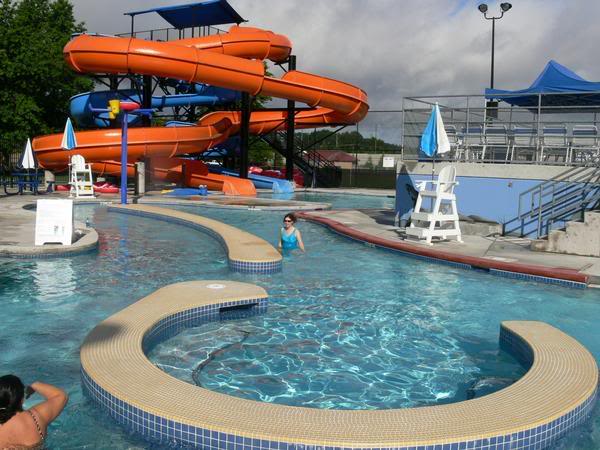
I’ve depicted Henry Moses Aquatic Center in my yard sign and taken credit for helping get the aquatic center and Veteran Park built. Here is the history of getting these projects funded:
We closed our old Henry Moses Pool in the mid 1990s, after it began leaking 30,000 gallons of water per day. One of our wells was pouring replacement water into the pool at the rate of a fire hose. The pool was becoming impossible to heat, spilling chlorine into the ground, and potentially becoming a risk for catastrophic collapse. Replacing just the pool tank was not an option, since the work would trigger codes requiring that everything including the pool house be brought up to latest standards.
Hence, we were looking at a multi-million dollar investment. It was a time when the county was trying to off-load their “Forward-thrust” pools throughout the area because pools were expensive to operate even when they were not leaking water into the ground.
So we set about building a pool that could operate financially in the black, where admission fees would cover all the costs of operating the pool. To pay for life guards, energy, and maintenance costs, we needed to get admission fees up. We learned people would pay much more to enter a pool with amenities like slides, wave machines, and lazy rivers, and other interactive features. Such amenities only added about 20% to the price of the pool, but doubled or tripled the ticket revenue. Hence, our Henry Moses Aquatic Center was conceived. It would be too large for the old Henry Moses Pool location, so we moved it across the freeway near the community center, and built a much-requested skate park at the old pool site.
Hi Randy, thanks for your current and past service to the City of Renton. one quick question about your platform, what do you think about the concept of “responsible growth”? I feel that this concept is key in my decision making for election choices, since I am feeling the economic and financial pinch of soon not being able to afford living in Renton, higher prices everywhere and more congestion and busy. Uncontrolled growth is no good. If you can address this and with a few specifics on tactics. I really like many of your positions because you do go into more details of the tactics, vs. just the main message points. Thanks