
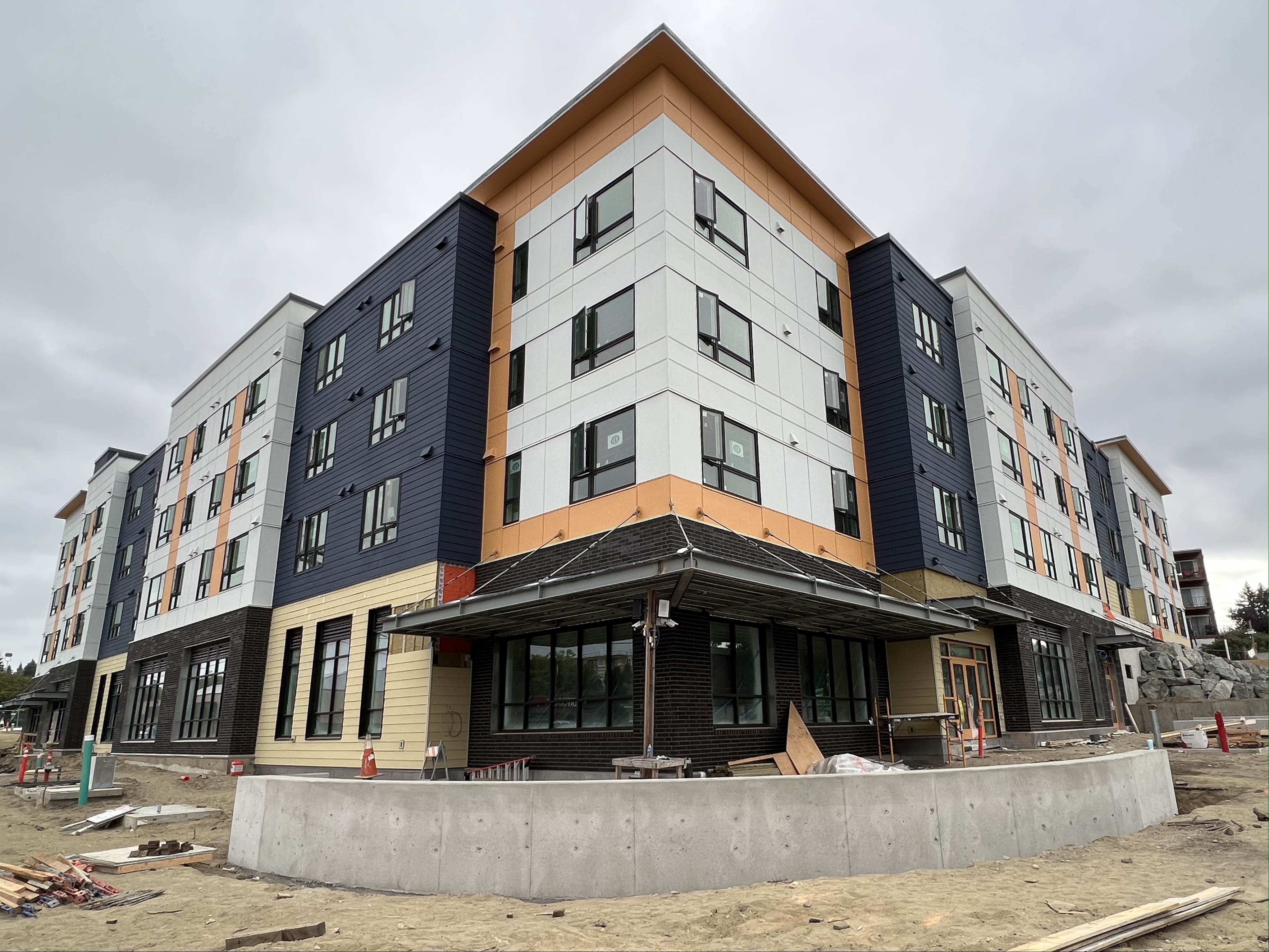
Everyone is asking, what can we do to alleviate homelessness?
Our emergency shelters play an important role, but they are like hospital waiting rooms. If a hospital does not have the rooms and staff needed to serve all their patients, the answer is not to spend all the money building a bigger waiting room. The long-term solution to our housing crisis lies in permanent housing and treatment, not in more emergency shelters. (This focus, along with the immense cost, was why I questioned the KCRHA draft five-year plan that proposed spending 25 billion dollars on emergency sheltering, but included no permanent housing.)
As a society we must find a way to build housing that the vast majority of Washington residents can afford, and assist the remainder with dignified subsidized homes appropriate to their needs. We also must treat those with behavioral and addiction issues that hurt their ability to remain housed. Cities, Counties, the State of Washington, and the Federal Government all have major roles to play in this effort. Only when we have all our residents living indoors will we be able to look across our cities and feel truly proud of where we are.
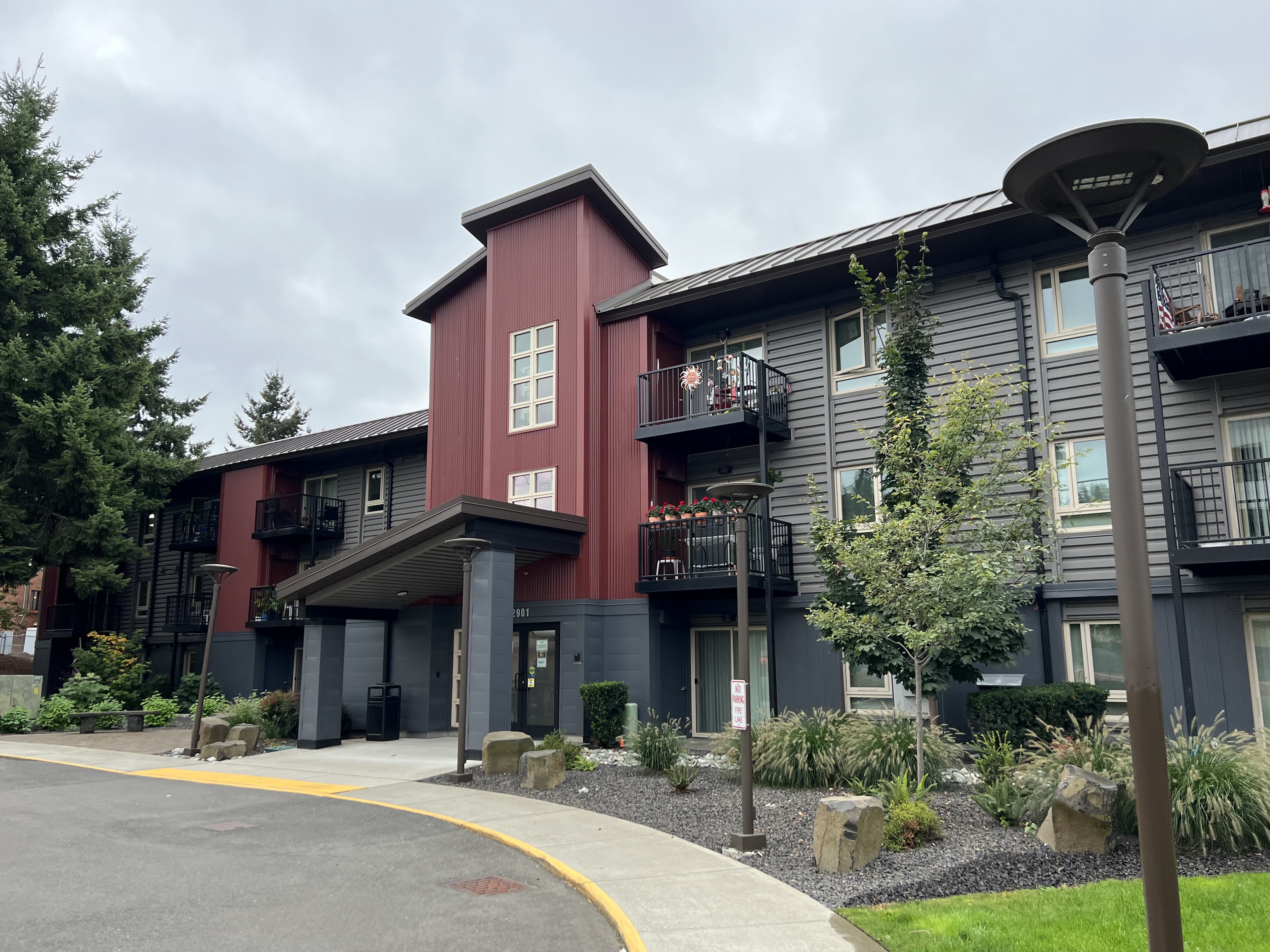
This a complex topic that I can’t cover with a single blog entry, so I’m going to use this entry to outline the problem as I see it, and identify sub-parts to the solution that I will delve into in follow-on blog entries.
I’ve seen lots of debate about whether homelessness is a housing problem or a drug/behavioral health problem. It is truly both, as there are many avenues into homelessness in our society. Working people can fall into homelessness along with people struggling with addiction and behavioral challenges; furthermore, homelessness exacerbates mental health issues, and can lead to addiction. So the fix involves helping people who are able to work but struggling with affordability, along with helping people who are ill to secure dignified accommodations.
(1) For those who are working, but can’t find affordable housing:
(a) We must make it a state-level and national goal to refocus on affordability as one of our prime metrics in our housing policies. We already prioritize other very important aspects of housing, like safety and energy efficiency. These are critical, and we need to reasonably maintain them. But affordability needs to go hand-in-hand with them.
(b) When regulatory changes are not enough, we must adequately fund subsidized housing programs, and build the necessary housing stock as a society to ensure everyone has a home.
(2) For those who are struggling with behavioral health issues or addiction, we must emphasize treatment:
(a) Residential treatment beds must be more widely available, and offer long enough treatment periods and enough follow-up that they achieve good outcomes
(b) Those who receive treatment and can return to family after treatment should do so when possible. If no family is available, they should be provided supportive living facilities that facilitate sobriety and mental health.
(c) Those unwilling to participate in treatment should be repeatedly encouraged and offered treatment. If they get arrested for committing low-level crimes, they should be incentivised to seek treatment as an alternative to incarceration.
(d) Those who are ill and refuse to accept treatment should still be provided appropriate housing, but only in adequately-monitored, sustainable facilities that will not become dangerous or dilapidated by their illness.
(3) We should help prevent homelessness for those currently housed:
(a) When someone who’s leasing an apartment encounters a rare one-time challenge paying rent, such as a car theft or health crisis, short-term rental assistance is the least expensive and most caring way for society to help.
(b) Prevent predatory landlords from taking advantage of vulnerable tenants through reasonable regulations that do not inadvertently dissuade good landlords and investors from providing more housing options.
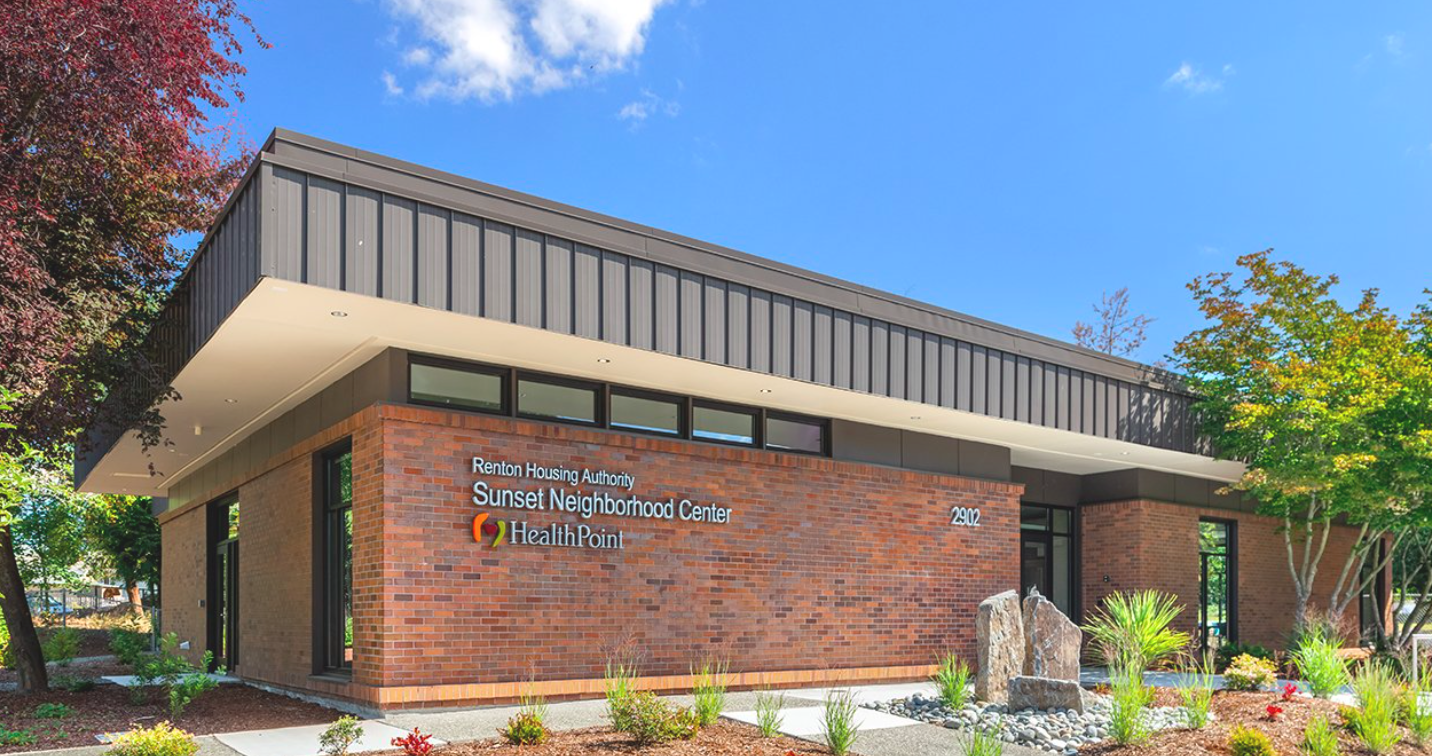
After 28 years as an elected official and 33 years as an engineer, I’ve already been following this plan for many years. As just one suburban council member, I could not accomplish it by myself, but I’m eager to share the details of the direction I’ve been trying to go and how this plan has guided my decisions along the way.
I would like to hear from readers before I publish all the details of this plan. Do you agree with the way I have outlined the solution? are there other sections I should add? Please let me know in the comments. And please check back in the coming days as I share the details of each element of this plan.
This is a great start to outlining the problems and solutions, thank you!
Was impact on traffic considered when the Solera complex was approved? Traffic on Sunset Blvd NE is bad as it is. Adding over six hundred units will have a huge impact on the adjacent aread
The forgotten one’s are trying to survive on their social security retirement in their elderly years.
And the disabled also trying to survive on their SSDI, who cannot physically work and cannot change that.
They may or may not be homeless. They worked all their lives and paid into social security to have this income. Yet that income is so low, they can’t afford any apartment or hotel rooms for that matter.
Many don’t realize that the average social security retirement check is $1,701.62. That’s less than most 1 bedroom rent. And what about food, utilities, automobile costs, medical costs and prescriptions.
Disability is based off what you earned the last 10 years before you become disabled. The average disability check is $1,371.51 in Washington.
Most don’t earn enough to qualify for the income requirements(3 times) for any apartments in Renton, even the low income. Nor can they come up with deposits of 3 times the rent. They also “earn too much” to qualify for any help through 211, housing authorities or even DSHS.
All housing monies and assistance or special programs goes to special groups like the drug addicts, etc. Even immigrants are given housing before them I believe.
There is ZERO help or hope for anyone who earns money of any kind, even if it won’t cover rent and you’ll end up homeless. I know this for a fact by calling around to be able to make this statement.
The solution, the only type of housing that would help them is federally funded local public housing. Where they pay at most 30% of their actual income.
The formula used in determining the rent on this type of housing is the highest of the following, rounded to the nearest dollar:
(1) 30 percent of the monthly adjusted income. (Monthly Adjusted Income is annual income less deductions allowed by the regulations);
(2) 10 percent of monthly income;
(3) welfare rent, if applicable; or
(4) a $25 minimum rent or higher amount (up to $50) set by an HA.
I am unsure if there are any of this type being provided by Renton housing authority, but there needs to be way way more.
Until housing is focused on them, with the baby boomers all at retirement age, then we may be looking at a way bigger issue than anyone is even thinking about.
Put drug addicts and mentally ill where they need to be, under a doctor’s care. Not in some brand new apartment or million dollar remodeled hotels that will have to be demolished when they’re done with them.
Give the elderly and disabled the damn dignity they deserve! For all the taxes this city, state and government has taken, they deserve more!!
They should NOT be forced to move away from their entire support system, their family and lifelong friends.
Nor should they be forced to live in poverty because the world is focused on everyone BUT the most vulnerable.
Thank you Viola for this very thorough and insightful comment. You are absolutely right that our seniors deserve to have decent housing. I appreciate your comment that we need to keep our seniors close to their families and support systems, and that the Federal Government has a special role to play in helping serve these life-long taxpayers. As a group our seniors are also gentle and caring users of this housing, taking responsible care of the facilities provided to them so that the buildings last for generations.
Viola- I couldn’t have said it any better. Thank you. It is exactly as you’ve stated. We need MORE subsidized housing. It is impossible to live on SSDI at $1700 a month. No rentals plus food & essentials are available. There just isn’t enough housing. Period.
Then there is the Watershed Apartments that have 145 housing units all affordable that will wrap up in 2023. Located across from Renton City Hall on Grady.
Thank you Charles for the reminder about this important project. Yes, this one is well on its way and looking beautiful. Given their relative populations, Seattle and King County collectively should be opening 3000 affordable housing units county-wide this year just to match Renton’s Watershed Apartment alone. We need to challenge and ensourage them to match our pace. https://watershedrenton.com/.
Thank you for sharing Randy…I really do appreciate the read…
In 2025 it was posted that all wait lists are closed. Is that not accurate? It also said applications are not being accepted until the current wait listed folks have been helped. That list is between 1200 and 1700.
Yes, Anonymous, sadly I think some or all of the Renton Housing Authority (RHA) waiting lists have been closed for years. While I was on Council I worked closely with RHA, doing all I could to keep the pipeline flowing with new housing projects. Some of these are coming to fruition now, but there is still much more need.
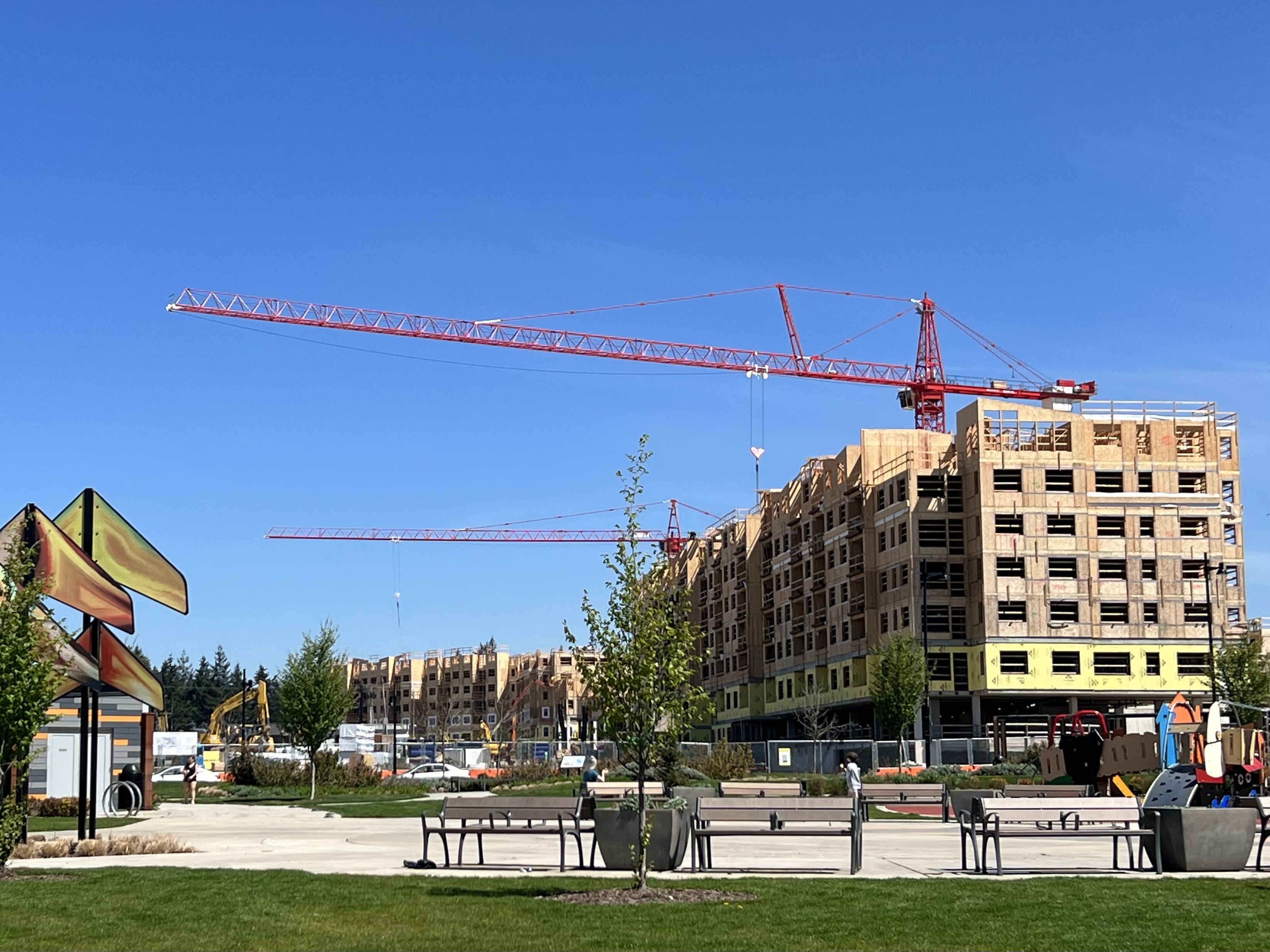
This article also describes affordable housing that is not owned by RHA, and is being funded in part by a federal low income tax credit program. This is the case of the Solera apartments, shown with the cranes in the picture above. These and some other projects in Renton will offer units at lower-than-market prices, as the owners have agreed to that in exchange for federal tax credits. So it’s worth inquiring with the leasing offices. Unfortunately, even 80% of market price can seem pretty high in our current housing environment, so they won’t be nearly as affordable as Renton Housing Authority properties.
We need to do more for individuals and families that can’t afford housing in our region, and Renton Housing Authority was able to do a pretty good job of keeping up back when everything was less expensive. Now with the sky-high costs of construction, and likely federal cuts in HUD programs, our region is going to have to work extra hard on new solutions.
Mr. Corman’s take on things sounds reasonable. I notice this article is from a few years back. Hope I’m not wasting my time replying here. I’d be interested in asking Mr. Corman, city council members or perhaps RHA why a property like Cedar Court was once low income housing but turned into market rate rent property? Same thing with the public housing that was torn down by the library on Sunset. If more units are needed why are any torn down? In my opinion, it’s ok if a property is older. In fact that’s good if it’s built some equity. Furthermore, is that legal to take a property that was set aside for public housing and funded with subsidies and then turn it into a property that now charges full retail price rents and is still owned by the city of Renton? I just don’t see how it could be legal. And I really don’t see the logic in tearing down existing units when there is a long wait list that is currently closed. Someone is doing a horrible job managing all this. And I’m not just referring to Allied Residential.
Thank you Jennifer for your great comment and important questions. This topic remains of vital importance, and I check comments frequently, so you are certainly not wasting your time commenting on it.
You bring up an important question regarding why formerly affordable properties can become market rate properties. When this happens, it is usually because the property was constructed using the Low Income Housing Tax Credit program, which awards significant tax credits to help build housing that is restricted for 15-30 years to low-income or moderate income use (depending on the specific program and the state). Typically in our state, the housing must remain affordable (income restricted) for 30 years, and then it can revert to market rate if the owner wants it to.
I think this is the way the Cedar River Courts property was built. The property is a “Sustainable Housing for Ageless Generations” or “SHAG” property, and most of these were funded using the Low Income Housing Tax Credit program. This program is a complex funding system that came out of the 1986 Tax Reform, and has become one of the main ways that the free housing market acquires federal assistance in building affordable housing. The Federal Government gives tax credits that cover a percentage of the cost of building (maybe 20-40%), and the builder can sell the tax credits in exchange for cash for construction.
Some of the subsidized and affordable housing in Renton was built with a different funding system, and will remain affordable indefinitely. Most of the projects owned by Renton Housing Authority were built with other bonds or federal money that came with the expectation they would always remain affordable. Unfortunately there is a limited number of units owned by Renton Housing Authority (approximately 1000), and they are currently not able to build new ones fast enough to meet the needs of the community.
Your questions about whey they tore down affordable units is also in important question, and other readers may wonder the same thing. I understand that Renton Housing Authority gets two major types of direct federal funding for housing; (1) money to build all-new housing, and (2) money to rehabilitate or replace housing that has reached the end of its useful life. Renton Housing Authority and the Federal Government had decided the 4-plexes were so old that they qualified for “replacement” funding, so they were removed and replaced with new apartments using federal “replacement” grants. The arrangement was a little more complicated, because in recent years there has been an effort to co-mingle subsidized housing amongst market rate housing, to avoid having whole communities of just subsidized housing. To achieve the co-mingling, with federal approval Renton Housing Authority sold some of their land to market rate developers, and used the money to acquire other parcels– to disperse the affordable units better.
Your point remains valid that in a period with such a housing crisis, it seems a shame to remove any viable housing. But I hope this helps explains the dynamics of why it happened the way it did.
This housing crisis remains a concern of foremost importance, and I think there is still much work that the City, County, State, and Federal governments can do to better address it. All of our ideas are important, and I think we should keep the pressure on our policy makers to get more solutions in place.
I would appreciate hearing more of your ideas, and the ideas of other readers. Thanks again for the comment Jennifer.