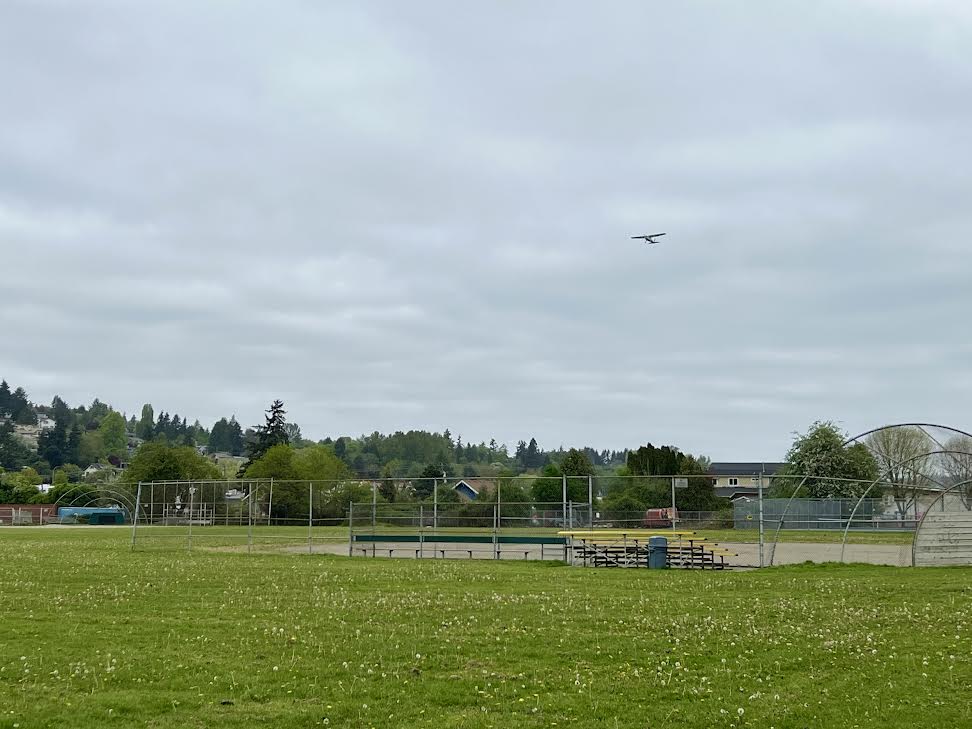
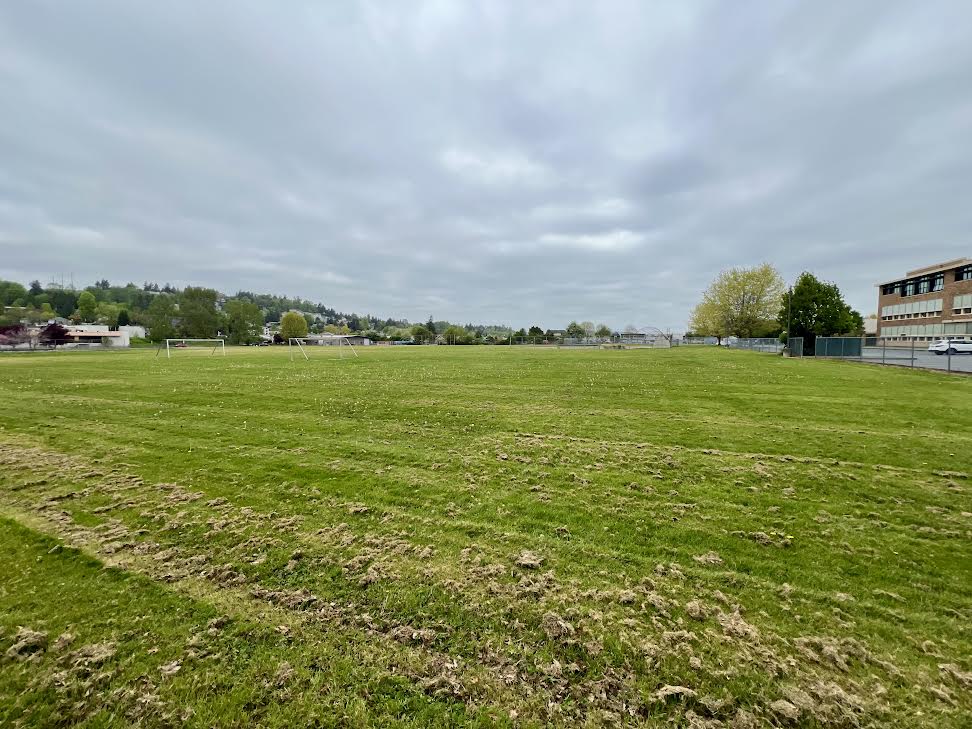
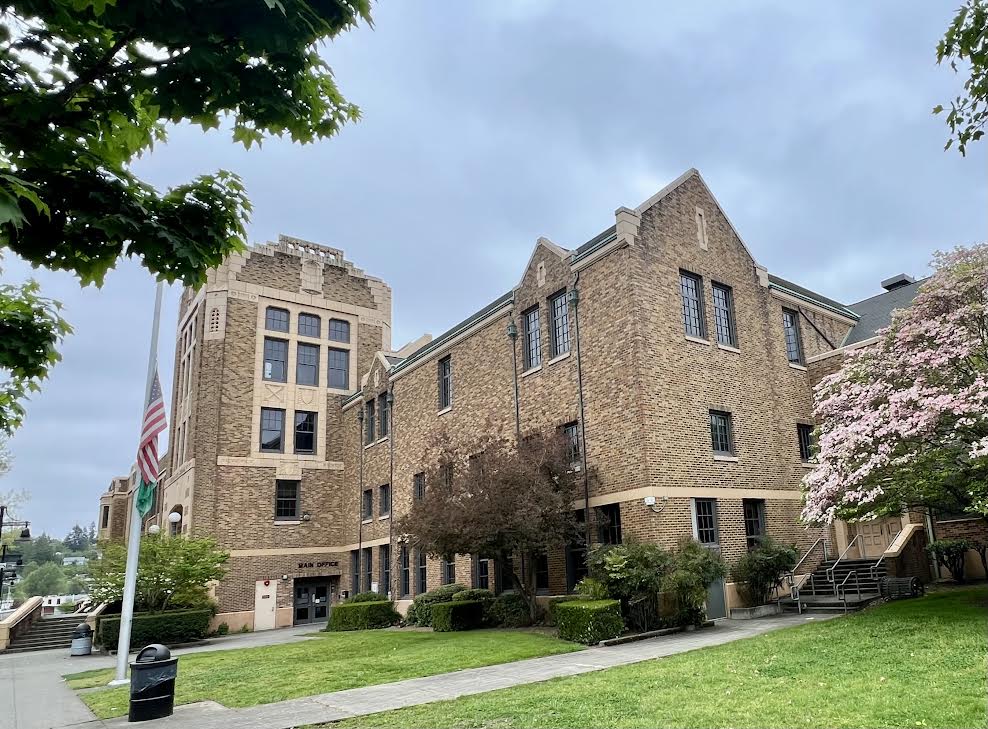
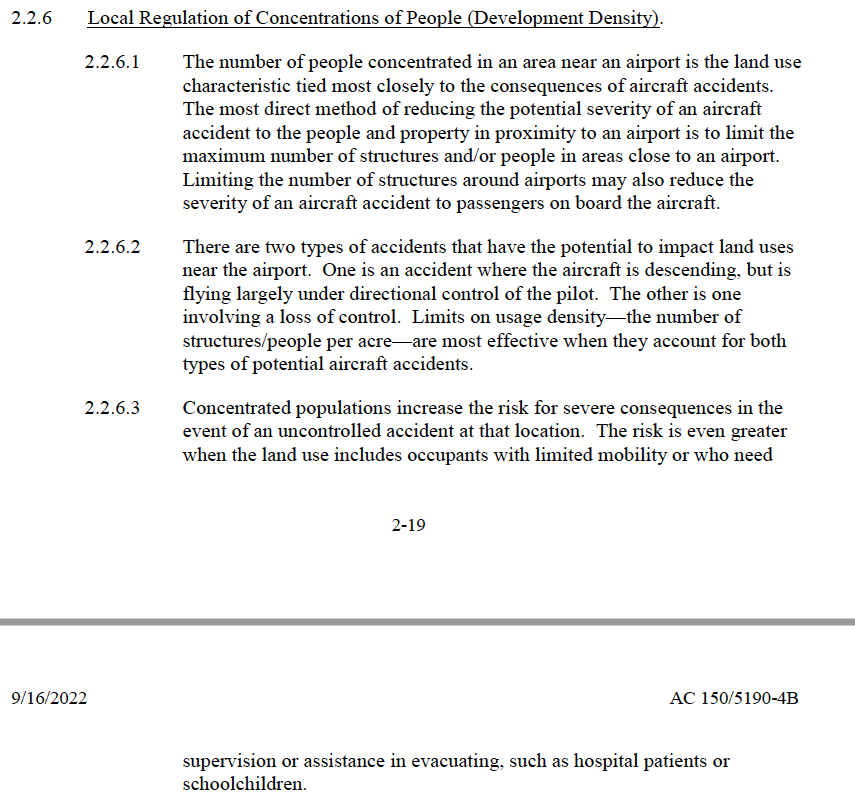
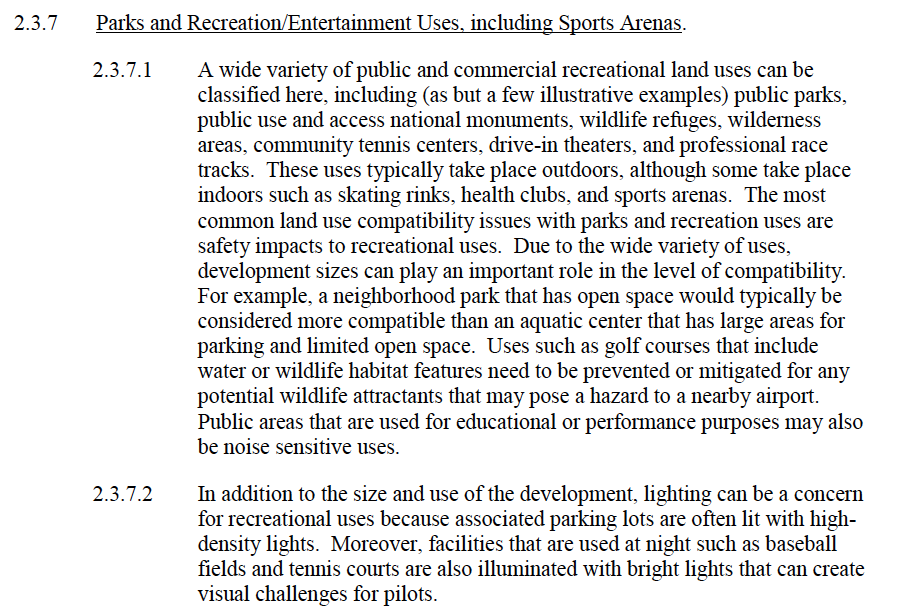
Renton High School currently has four baseball diamonds, and two of them are in the Runway Protection Zone. Per FAA Advisory Circular 150/5190-4B , 2.2.5.1 “the purpose of the Runway Protection Zone (RPZ) is to enhance the protection of people and property on the ground.” The FAA would discourage construction of these baseball diamonds today. But the baseball diamonds have been in use since before FAA’s current land-use policy was in place, so they are considered “pre-existing” or “grandfathered” under regulatory guidance.


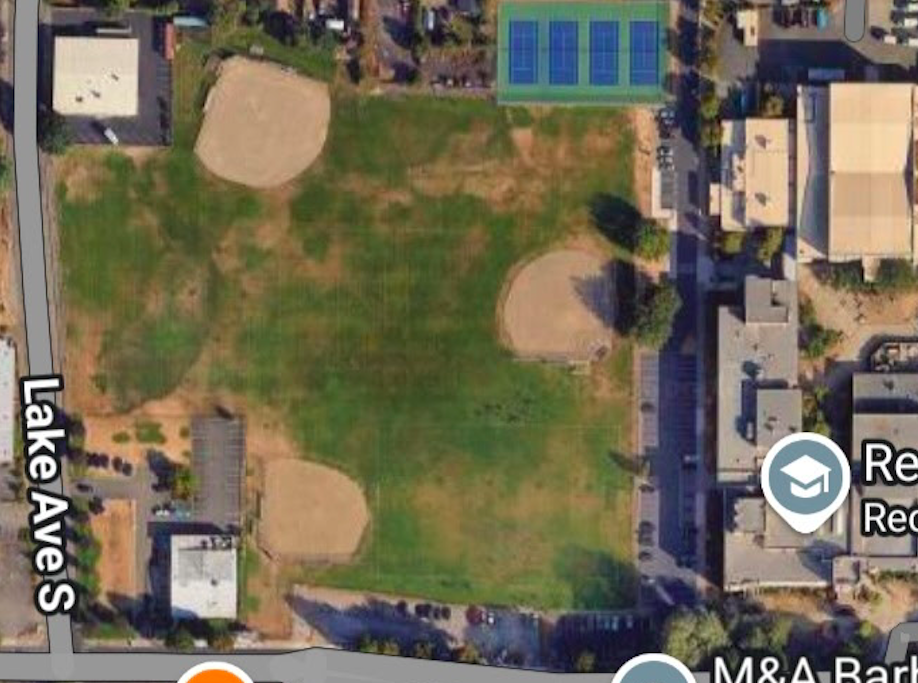
With the relocation of these baseball diamonds into the current Tobin neighborhood, the School District is proposing to change the use of the property in the Runway Protection Zone to a high school sports track. I question whether this new use meets FAA guidelines. And unlike the existing baseball diamonds, the sports track can not be said to have been approved long ago, before current FAA regulations. Instead, it requires that professional engineers approve it in 2025, with concurrence of city permitting authorities who have responsibility for safety and to FAA.
Everytime Renton Airport accepts federal grants, the city commits to grant assurances which promise that Renton “will take appropriate action, to the extent reasonable, including the adoption of zoning laws, to restrict the use of land adjacent to or in the immediate vicinity of the airport to activities and purposes compatible with normal airport operations, including landing and takeoff of aircraft.”
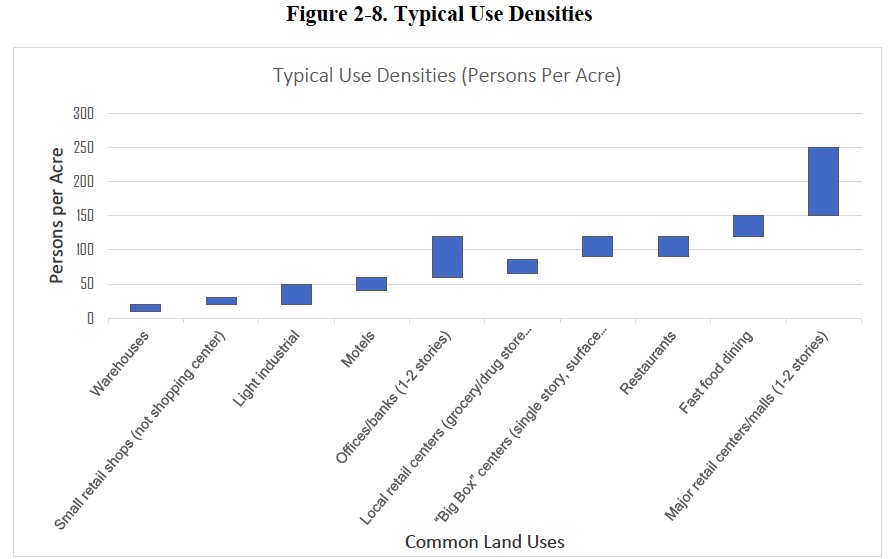
As a new use in the Runway Protection Zone, the new sports track must be evaluated as to whether it would draw an assembly of people, and how densely populated this assembly could possibly be in the event of an airplane accident at this location.
FAA Advisory Circular 150/5190-4B, “Airport Land Use Compatibility” states:
“2.2.6.1 The number of people concentrated in an area near an airport is the land use characteristic tied most closely to the consequences of aircraft accidents. The most direct method of reducing the potential severity of an aircraft accident to the people and property in proximity to an airport is to limit the maximum number of structures and/or people in areas close to an airport.”
“2.2.6.5 In general, the lower the density, the greater the level of compatibility a use will have with aircraft operations. An airport and the local community should evaluate density near an airport…. the goal would be to require any ensuing development to be at or below the current levels. This essentially focuses on making the current situation no worse. “
Foot races during PE class might be a relatively low density with just 20-30 students on the track. But a competitive track-meet could be very high density, attracting hundreds of people, with spectators on the infield and around the perimeter of the track.
And if the track surrounds a new soccer field, as most do, where spectators typically set up tents and chairs along the side lines, the density of people in the Runway Protection Zone could frequently exceed what is currently seen on the baseball diamonds.
The baseball fields as they exist today have movable soccer goals, but these are located in the southern half of the field, outside of of the Runway Protection Zone, in an area proposed to be converted to parking with the new high school.
For some reason the new high school design approved by the board shows an “existing track” at the location, but there is no track in existence– only baseball fields.
The review and final approval of the details will not come from the FAA themselves, but must come from the Renton School District (as project designer and applicant) and the City of Renton. The City of Renton has final say as both the permitting authority and the airport sponsor. While the FAA won’t specifically make the determination about the compatibility of the use, they will determine whether the City of Renton has used an acceptable process to determine compatibility. If Renton has not, then the city’s ability to receive FAA grants will be in jeopardy, which would put our city’s finances and businesses in jeopardy. In the event of a catastrophe in a crowded gathering, Renton’s current City and School District elected officials will own many of the decisions that led up to it.
In summary, the baseball fields could continue to be used at their current locations since they are preexisting. If they get moved to a new location, it is questionable whether any high school sports facilities could be built at their current locations without potentially worsening the safety risks and possibly violating airport grant assurances.
In the end, Renton School District may find they forcibly cleared an entire city neighborhood and ended up with no more sports facilities than they have now.
At the last School Board Meeting, a School Board Member mentioned an episode in which a light plane made an emergency landing in the baseball field right after take-off from Renton Airport. This was indeed a dangerous incident, and the fixed base operator associated with the incident was asked to leave Renton Airport a short time later. But this risk is not in any way lessened by changing the baseball field into a running track and soccer field. It is very likely made worse.
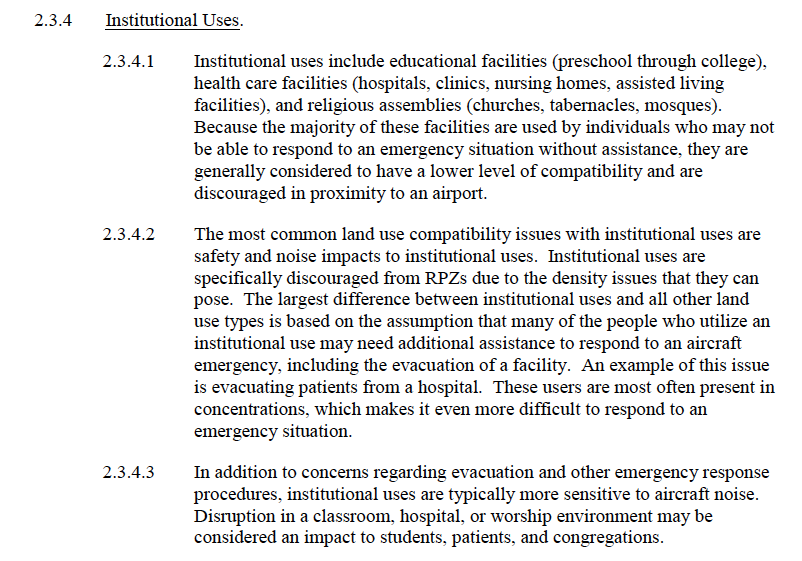
The most effective way to limit the airplane risk to Renton High Students would have been to move the high school, as voters approved in the 2022 ballot issue. Institutional uses, which include high schools, are the FAA’s least favorite uses in the danger zones around runways.
The second-best way to limit the risk would be to minimize jet traffic on Renton Airport, as Renton’s 5,300-foot runway is very short for jets landing and taking off at 140 miles per hour, and the risk increases with the number of operations. But our current Airport Management seems to be eliminating piston-engine aircraft and encouraging more jets at Renton Airport.
Residents and taxpayers may have to pick up the pieces as Renton School District and Renton Airport continue their headlong collision into one another.