 Written by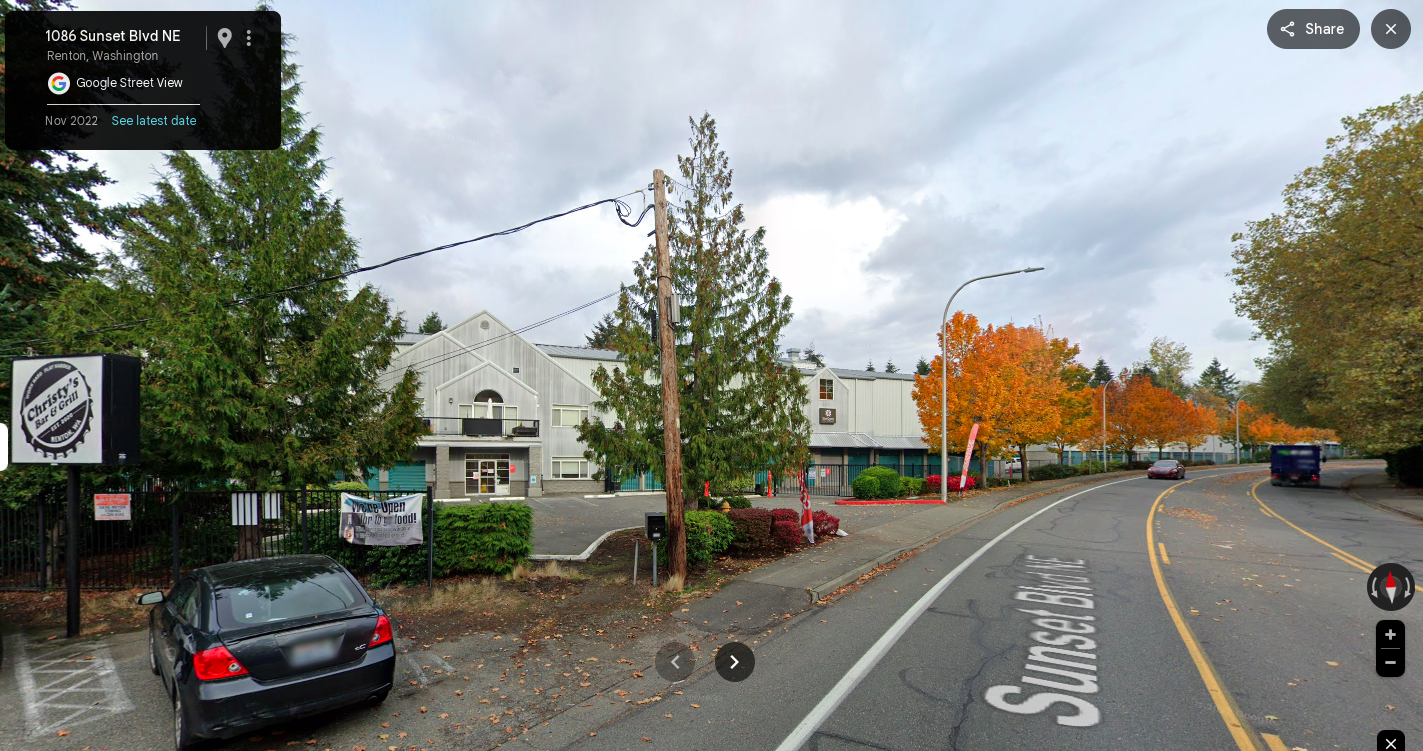
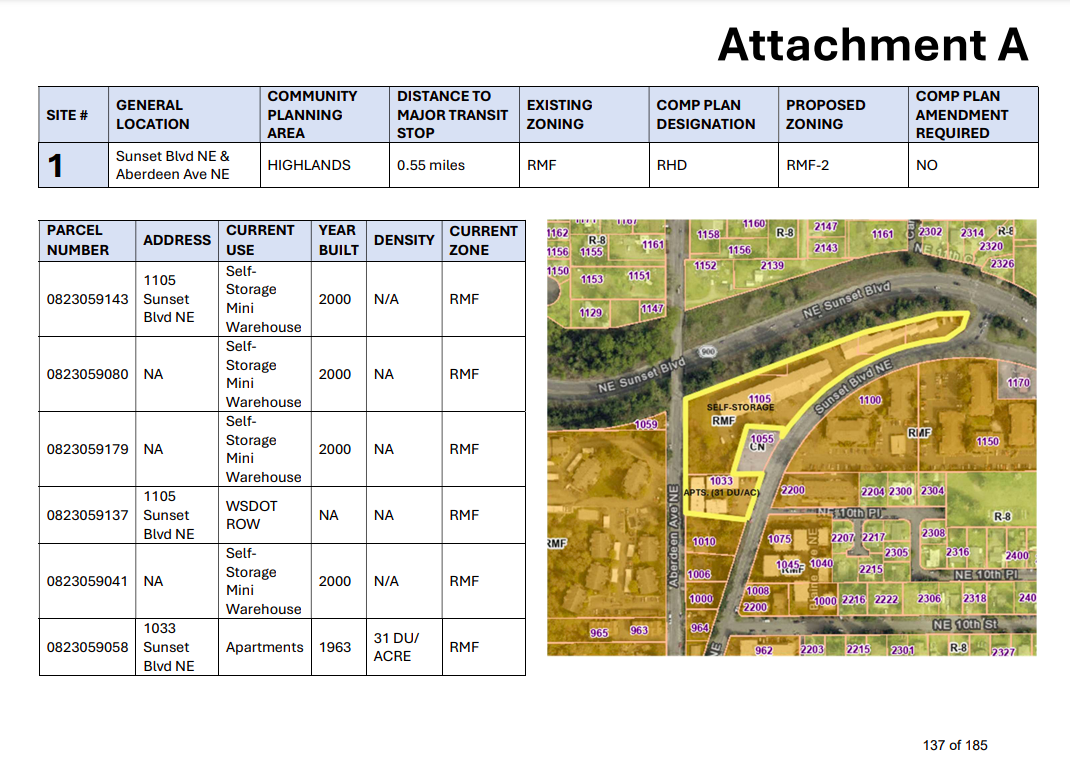
The Self Storage next to Christy’s Bar and Grill on Sunset was rezoned for 40 apartment units per acre as part of Site 1 of the rezone. (Christy’s zoning did not change.)
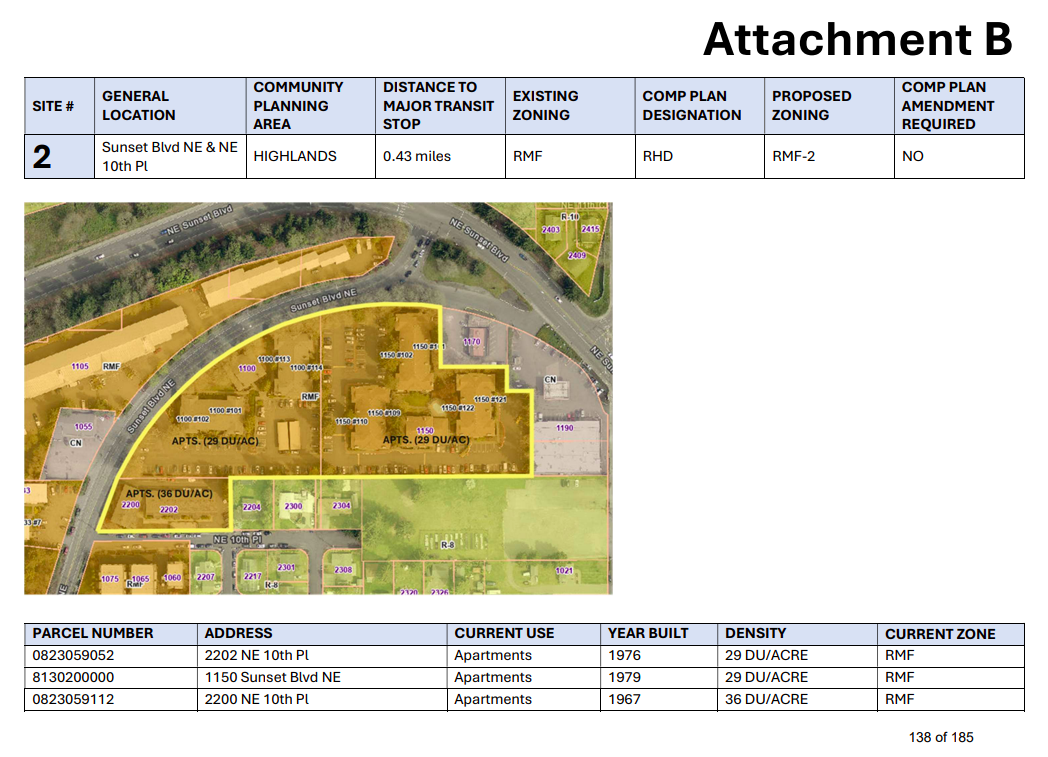
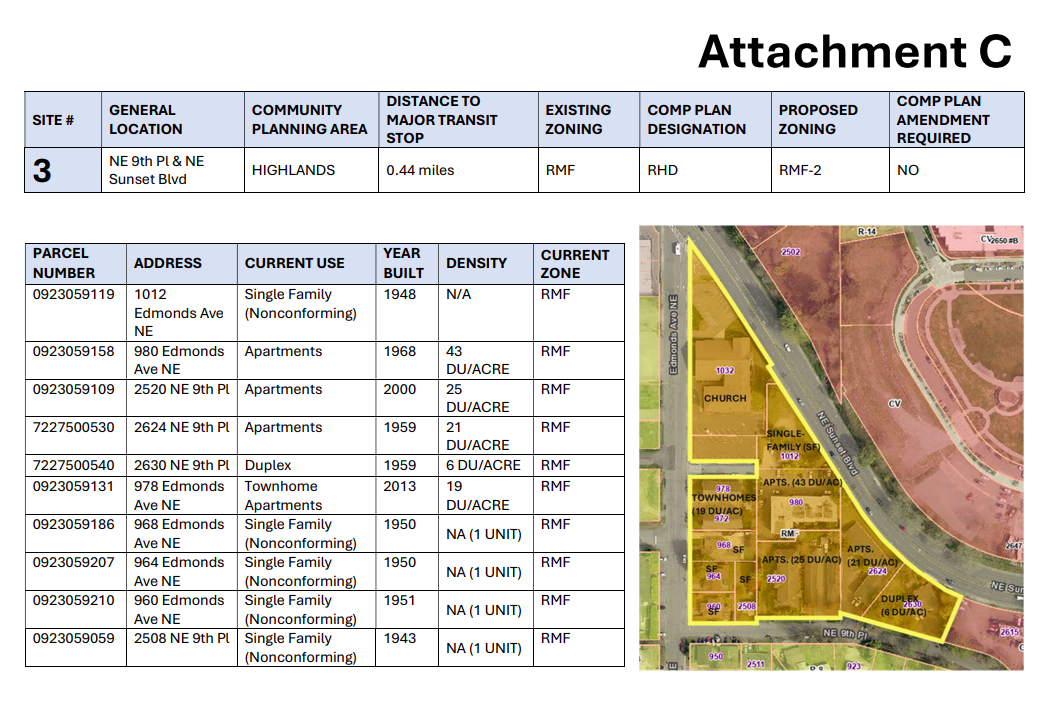
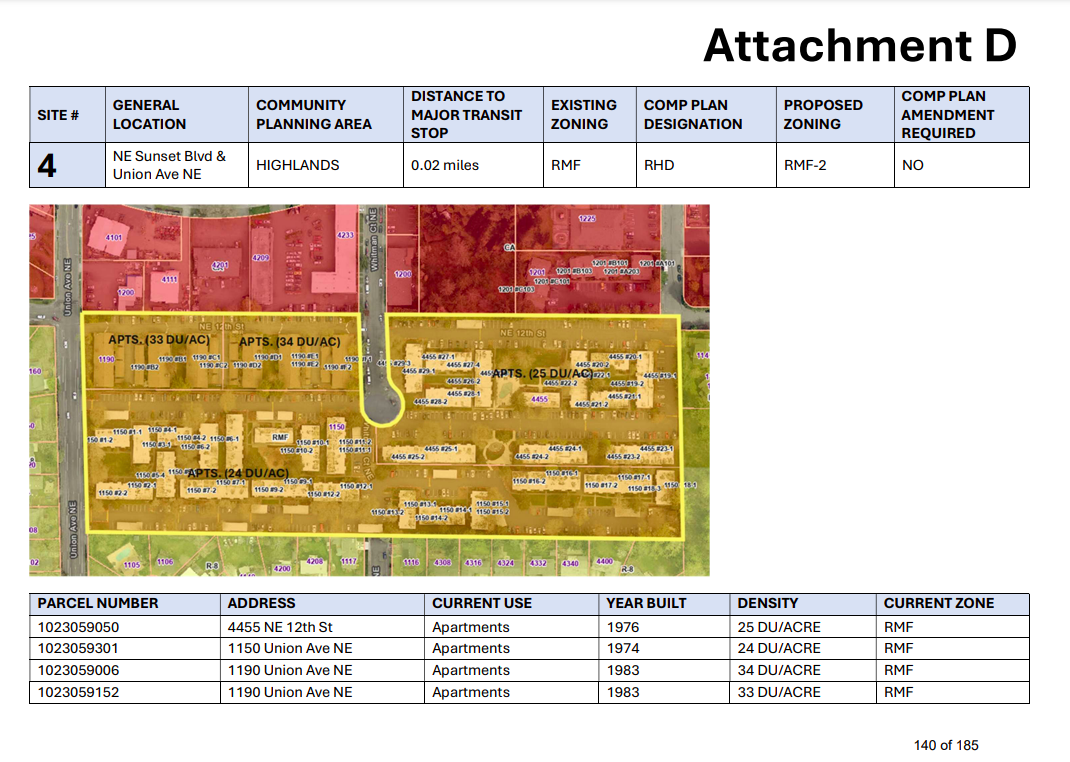
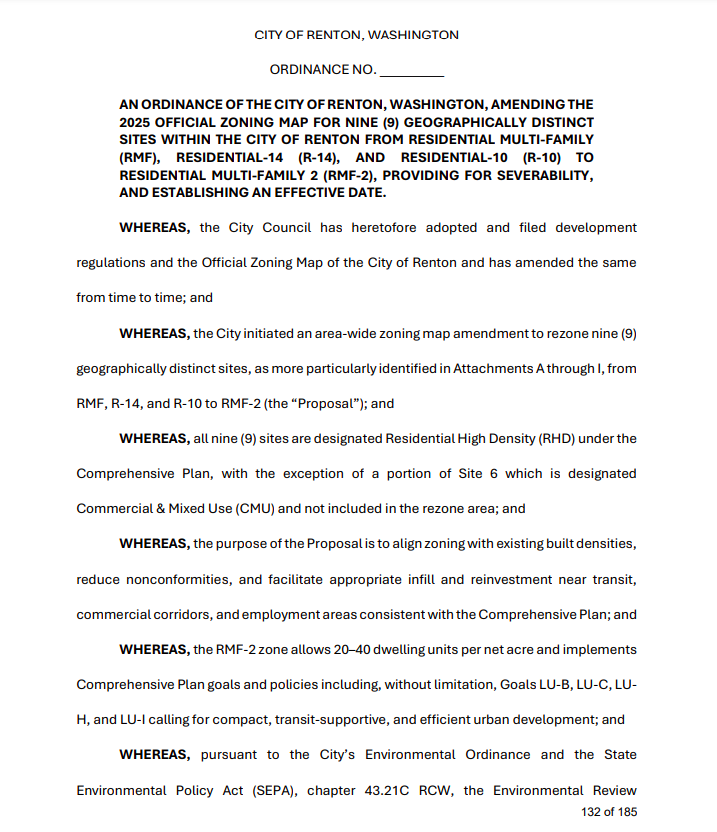
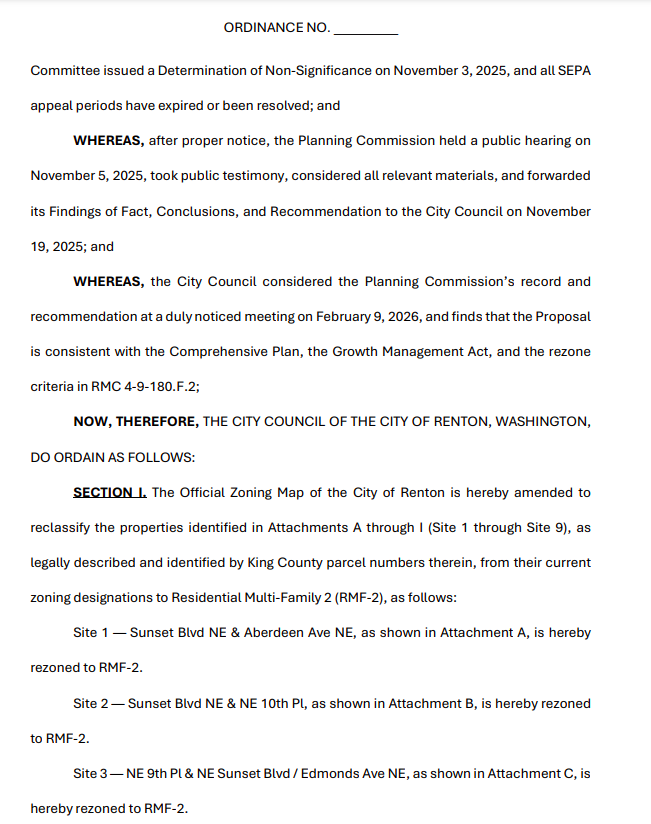
On February 23rd, Renton City Council changed the zoning on nine sites in Renton to 40 units per acre. Most of these sites were previously zoned for 10, 14 or 20 units per acre. Since they are largely already developed, its expected that they will be slow to redevelop.
However residents should be aware that they can now be legally developed at 40 units per acre. And since they are within a mile of a transit stop, the parking requirement may be as little as one car per unit, or even less.
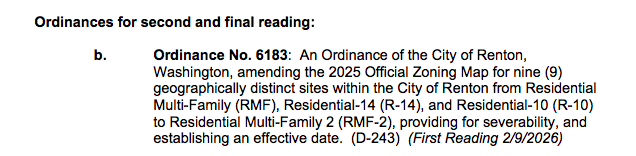
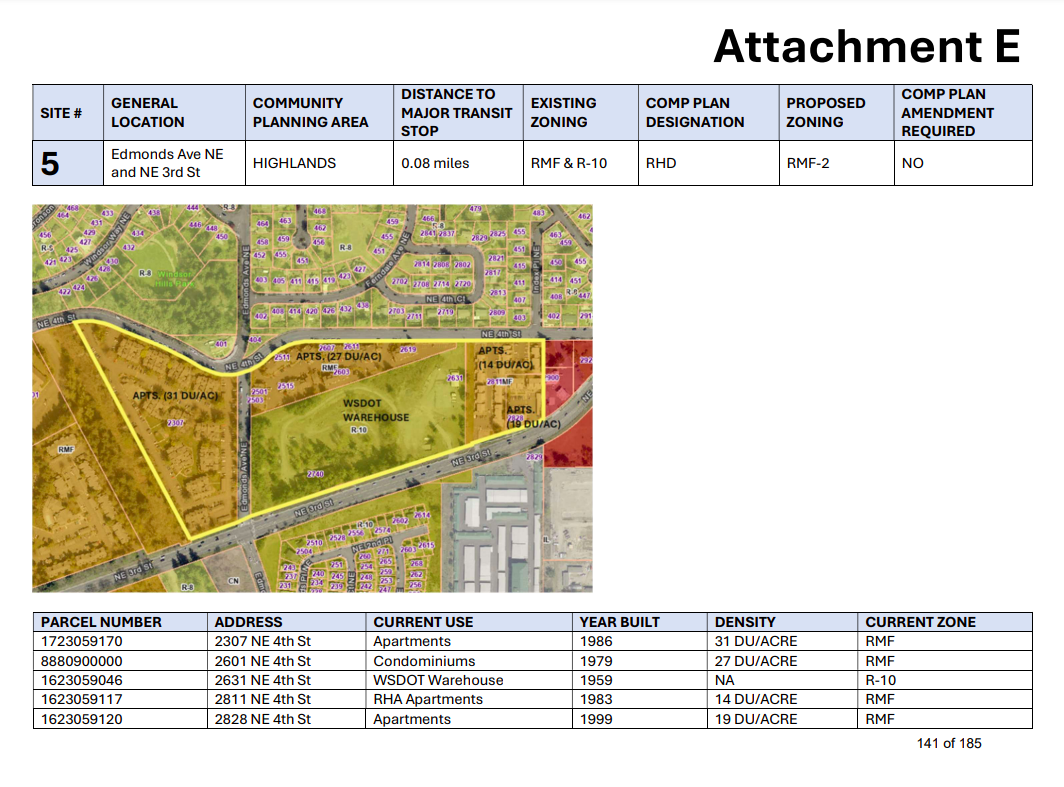
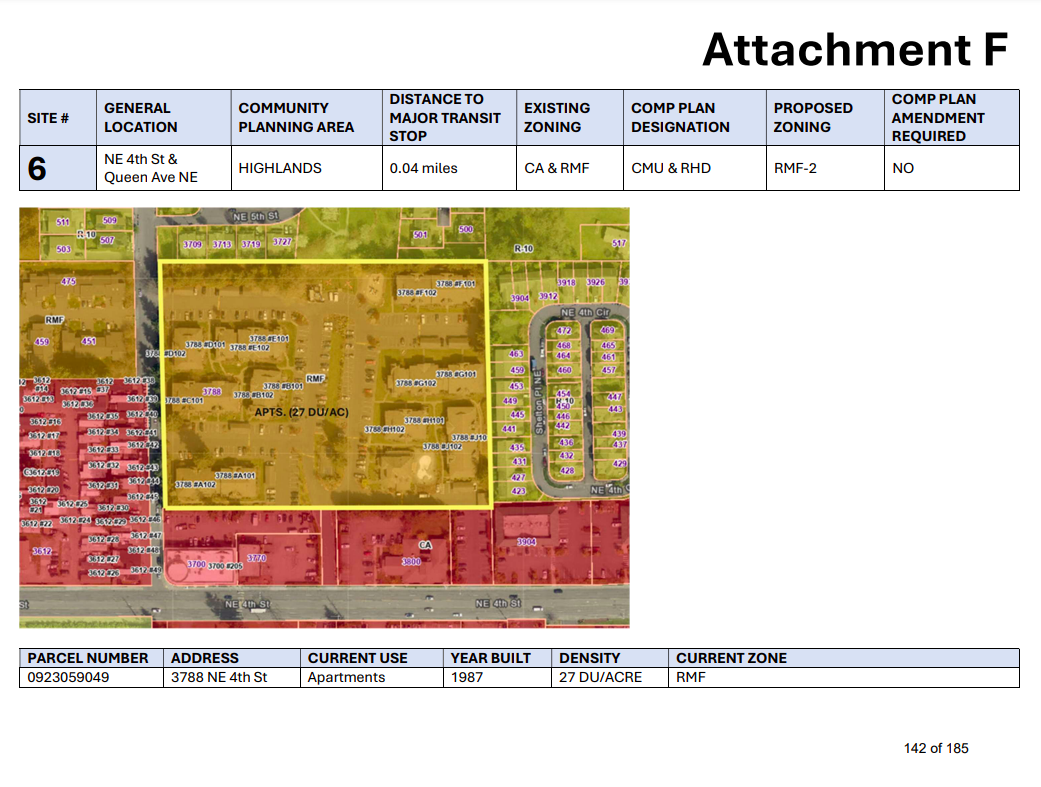
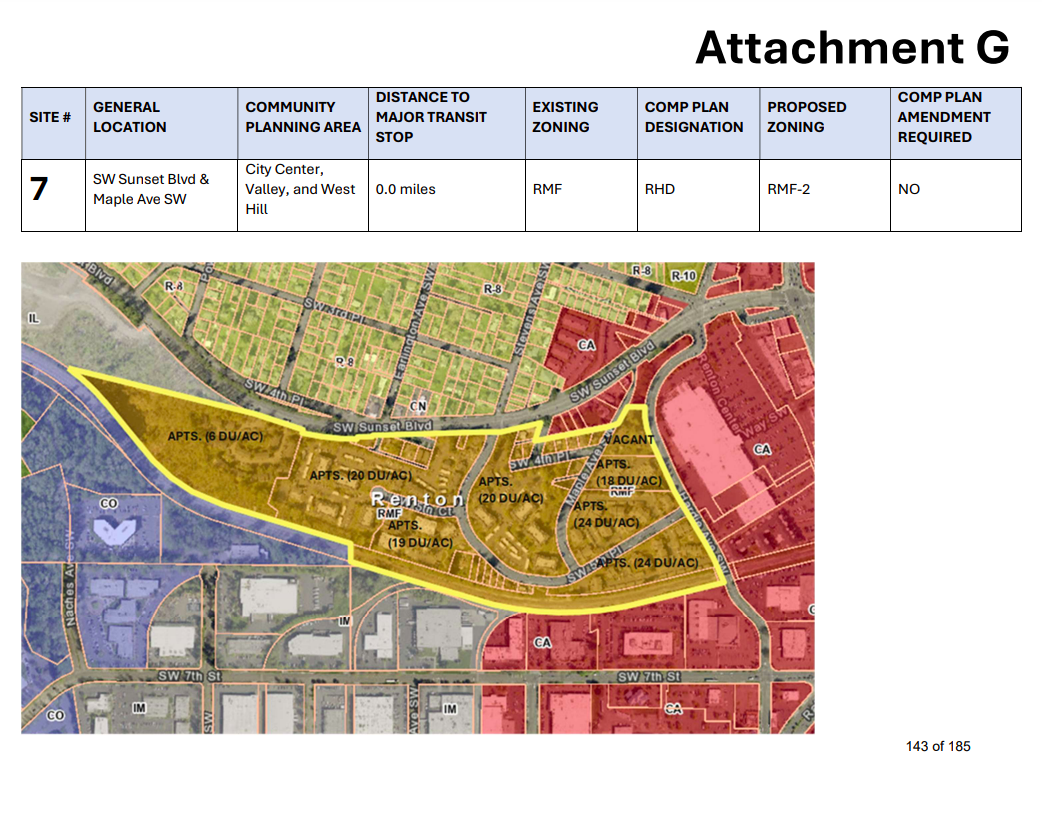
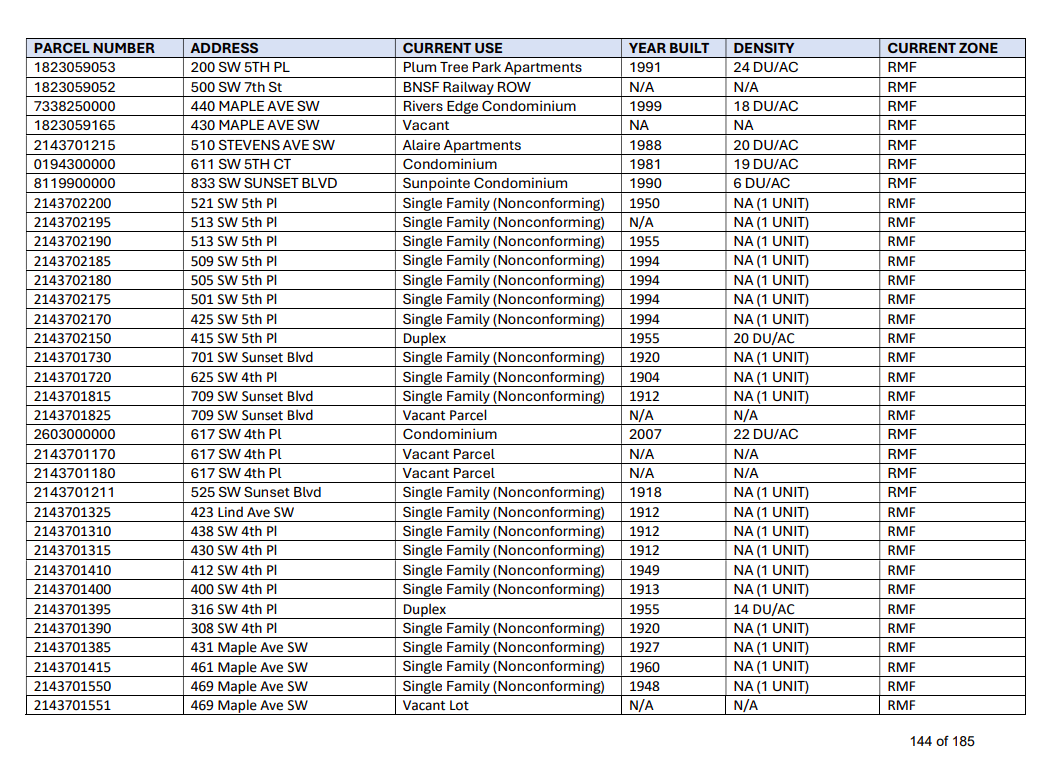
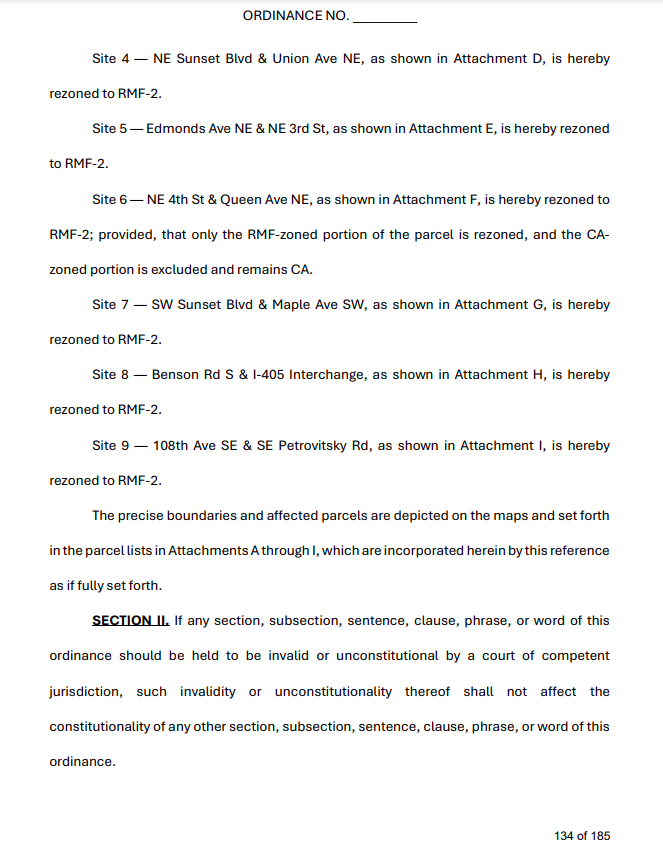
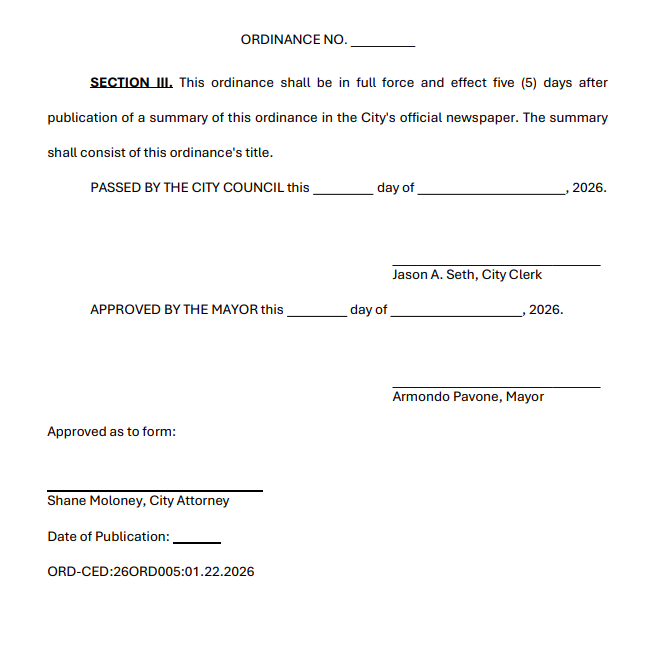
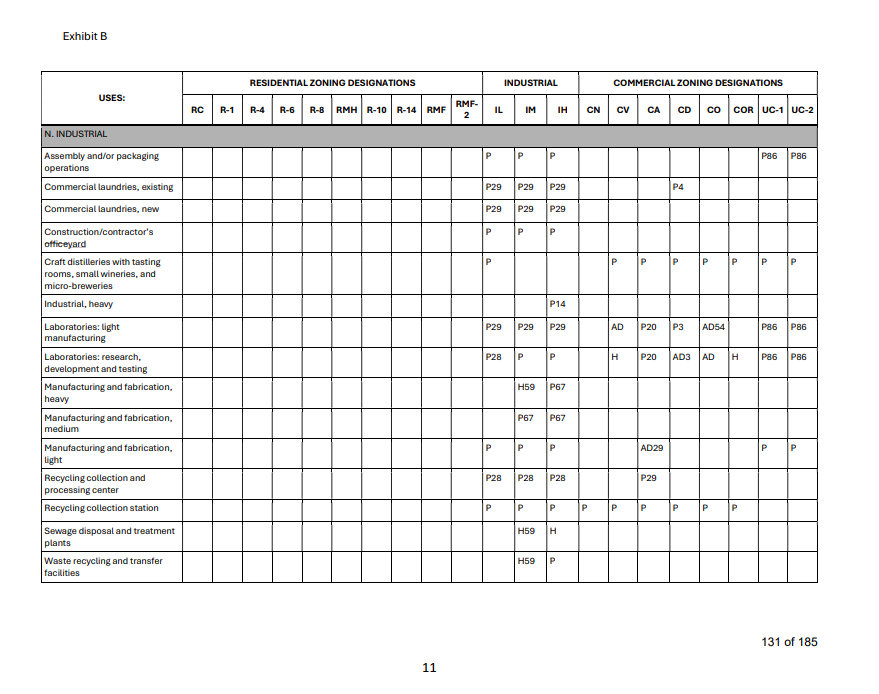
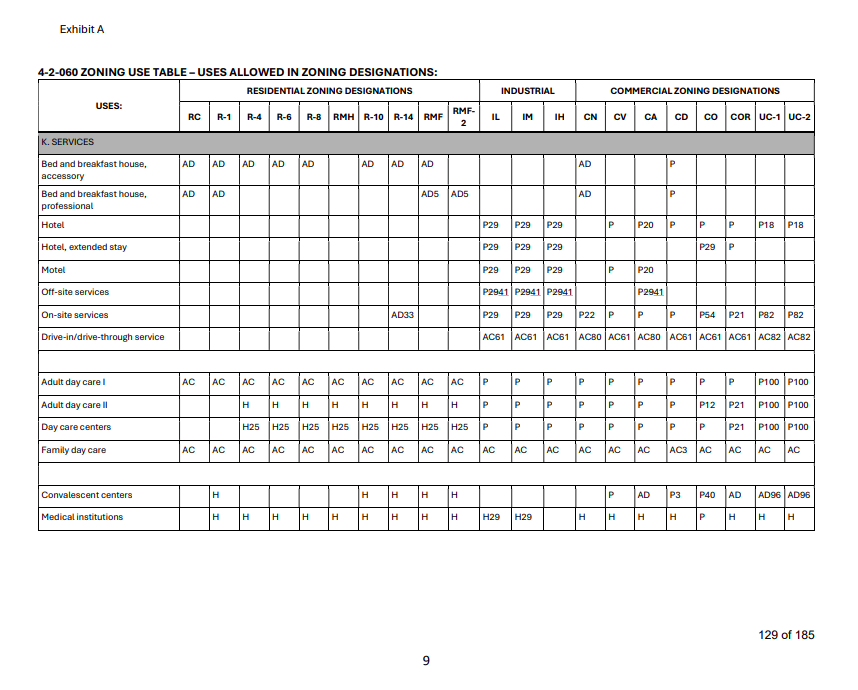
I’ve included the details for Sites 2-9 below the cut, as well as the ordinance that was approved.
See the information for sites 2-9 by clicking below:
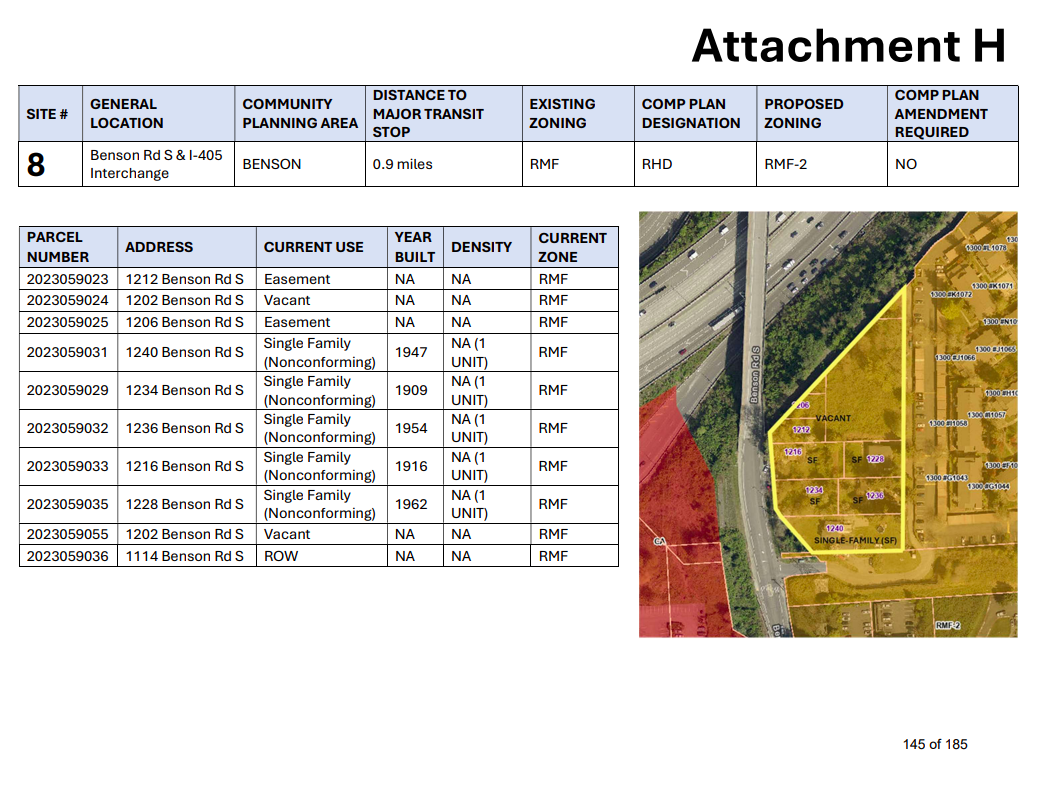
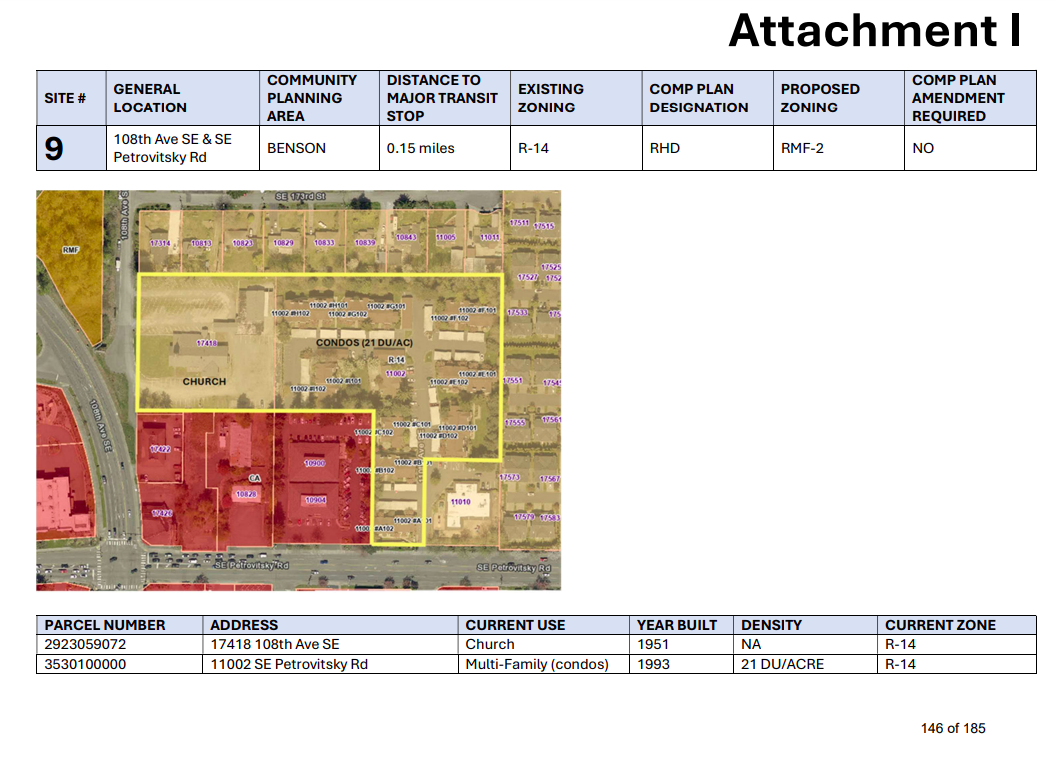

Does this make these properties become more valuable?
If it’s raw land probably yes, higher zoning could increase the value. But if it’s property that is already nicely developed, the rezone might not increase its value and could lower its value.
It depends a lot on what happens with adjacent properties in the rezone site, and whether new construction in the rezoned site negatively affects existing developed properties.
For example, if a property in the up-zoned area is already developed as well-built apartments at 14 units per acre, with views and street parking, the market value of their investment could actually drop if an adjacent property develops at 40 units per acre with inadequate parking. While the “land” value of their property might theoretically be higher, the total price they could get for their property (land plus improvements) could be lower if their apartments have become less desirable and produce less income. This could happen if their tenants become squeezed for parking, or lose their views, or lose nearby trees, or access becomes more difficult from traffic, or the area becomes more noisy. (I’m not saying it will happen, but it can.)
Generally houses or apartments in Renton need to be fairly old and/or significantly depreciated to be worth tearing down to build something new; and the denser zoning is only truly helpful to an owner whose property is ready for redevelopment.
The outlines that preclude certain properties seem… jeremandered. Why would they not include them?
Great question, and I’m sure other readers might wonder about this. This particular action by the City Council up-zoned properties that were already zoned for multi-family. They were all previously zoned for 10, 14 or 20 units per acre under the R-10, R-14, or RMF zoning respectively. Adjacent properties that were not in these zones were not changed. An example would be Christy’s Bar and Grill in Site 1, which is zoned “neighborhood commercial” and is now surrounded by RMF-2. The restaurant property was not in one of the three residential zones, so it remains unchanged.
The zoning map itself can look very gerrymandered because of the way zoning has evolved over Renton’s 125 year history. As zones have been redefined over the decades, the city has made an effort to keep developed properties “conforming” to their current zone as much as possible. So if an area is being zoned multifamily, but it has a 70-year-old restaurant in the middle of it, the zoning applied might be multifamily with a commercial carve-out in the center. Individual property owners can appeal to the city to change their own property to a different zone, if they can make the case that the rezone is consistent with the City’s Comprehensive plan and that the zoning change won’t unduly adversely impact surrounding properties. When these zoning changes get made, they can also look like gerrymandering, since they will follow individual lot lines based on which property owners requested the change.
If anyone reading this is a property owner that feels their property has been zoned improperly, or should be rezoned for other reasons, the city has an annual process for reviewing these rezone requests. You can find the information by looking for the planning department on the City of Renton’s website. You can read Renton’s code about rezone requests at this link here.
It’s a shame you’re not on the council. We already have enough people phoning it in from their well-rehearsed activist talking points.
Completely agree, but I’m hoping Randy runs for Mayor. Renton needs good people in the right places.
Does the increased density include increased requirements for dedicated trees/green spaces? It feels like they’re really trying to pave over every yard or outdoor play space.
I’m concerned about this too. Strictly speaking, when someone develops property in Renton they are supposed to keep 30 percent of the significant trees, or plant many new ones to replace them if the trees make development impossible. I think this is true even in these multi-family zones. But government projects like the Renton High School expansion and the downtown Piazza Park have not been modeling good behavior in this regard, taking out a higher percentage of the trees. Renton planners need to better enforce these rules, or we will lose more of our tree canopy. The school district says they’ll replant trees offsite, but I think they may be talking about replanting only the number that exceed a 70 % taking, not all of them that they are removing; and since they started with already developed properties (where most trees had already been cut down), they should be replanting every significant tree they are removing to be good environmental stewards.
Here is the worksheet developers are supposed to use when building on undeveloped property. When they are working on already developed property, like the Renton High expansion, they should really be trying to protect all the trees since presumably 70 percent of the trees have already been removed.
A mile across Lake Washington from us, Mercer Island proudly maintain one of the region’s densest tree canopies. They have impressive tree coverage in their parks, schools, and other public buildings, as well at their residential areas. 48 percent of their city is underneath trees. Renton’s canopy was 29% a few years ago, and I think it is less now. Tacoma has one of the thinest tree canopies in the Puget Sound region, at about 21 %.
The City loves to tout it’s a “Tree City” and give itself self-congratulatory proclamations, in April for Arbor/Earth Day. Quite hypocritical with what City Staff *really* approve in recent years.