Hi, I'm Randy Corman, Renton City Councilmember. I am the most senior member of the council, currently in my 25th year (I have been elected seven times). I pay for this website with my own funds. Please recognize that all views expressed in my journal entries are my own, and not the official position of Renton City Council, other councilmembers, nor the city of Renton. Thanks for reading.
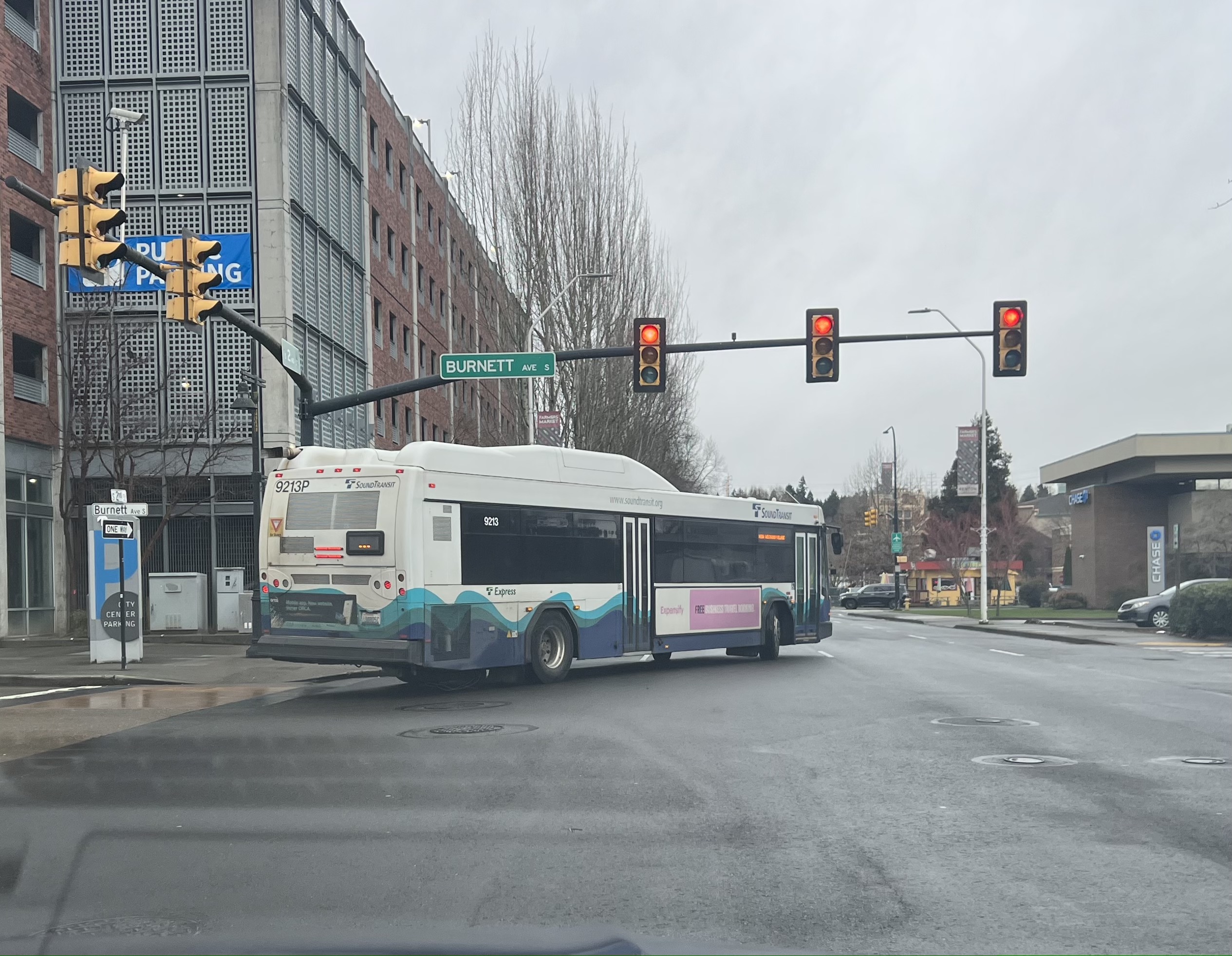
This Sound Transit bus has just made one of its Renton stops at our downtown transit center between South Second and South Third. This transit center is scheduled to be replaced by a new transit center at Main and Grady to support Sound Transit’s Stride express (BRT) service. There is no parking planned at the new transit center until 2034 due to Sound Transit budget realignment.
My recent posts about Sound Transit delays in Renton here and here are timely, as Pierce County is now pressing Sound Transit to remedy delays to our south. We should be partnered with Pierce County, not in competition with them, and I don’t mean to make it sound as if we are. But as Sound Transit works to mitigate Pierce County impacts, Renton needs to insist the funding does not come from our already disproportionately small share of Sound Transit resources.
Furthermore, we should be in the front of the line, demanding that Sound Transit restore our parking for opening day of the BRT service, something that would only cost four months of Renton’s Sound Transit taxes. It’s the most modest of requests after Renton has already spent about a billion dollars for very little service.
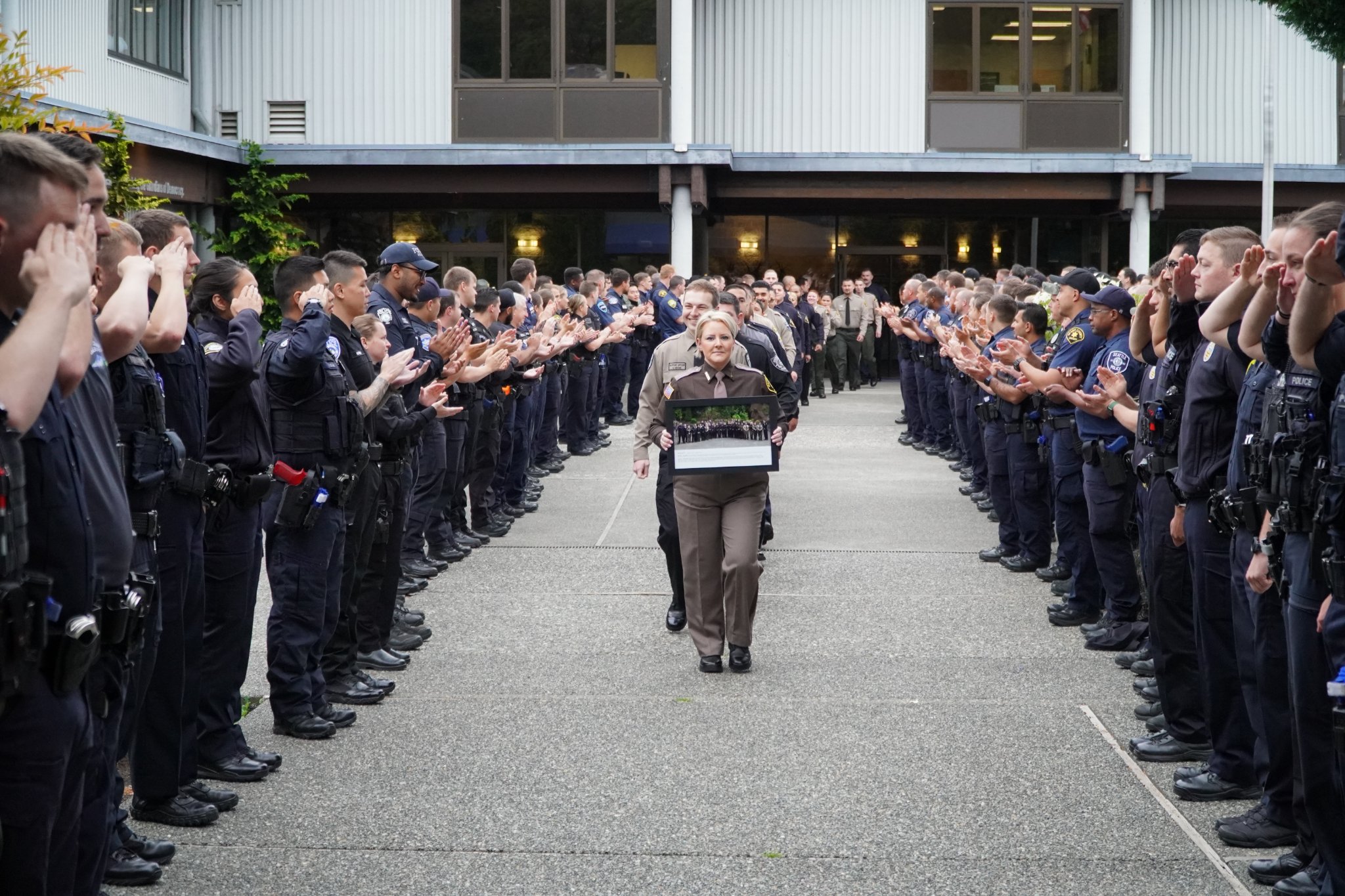
Washington’s finest! New police recruits from across our state graduate from the Washington State Police Academy in Burien Washington in June 2022. The Washington legislature is currently working on new ways to sue police academy graduates if their training proves inadequate.
Washington legislators are in charge of police training in our state, but they want to sue officers and cities, and not themselves, when this training lets the public down. Note these police officers can already be sued today if they are acting in bad faith.
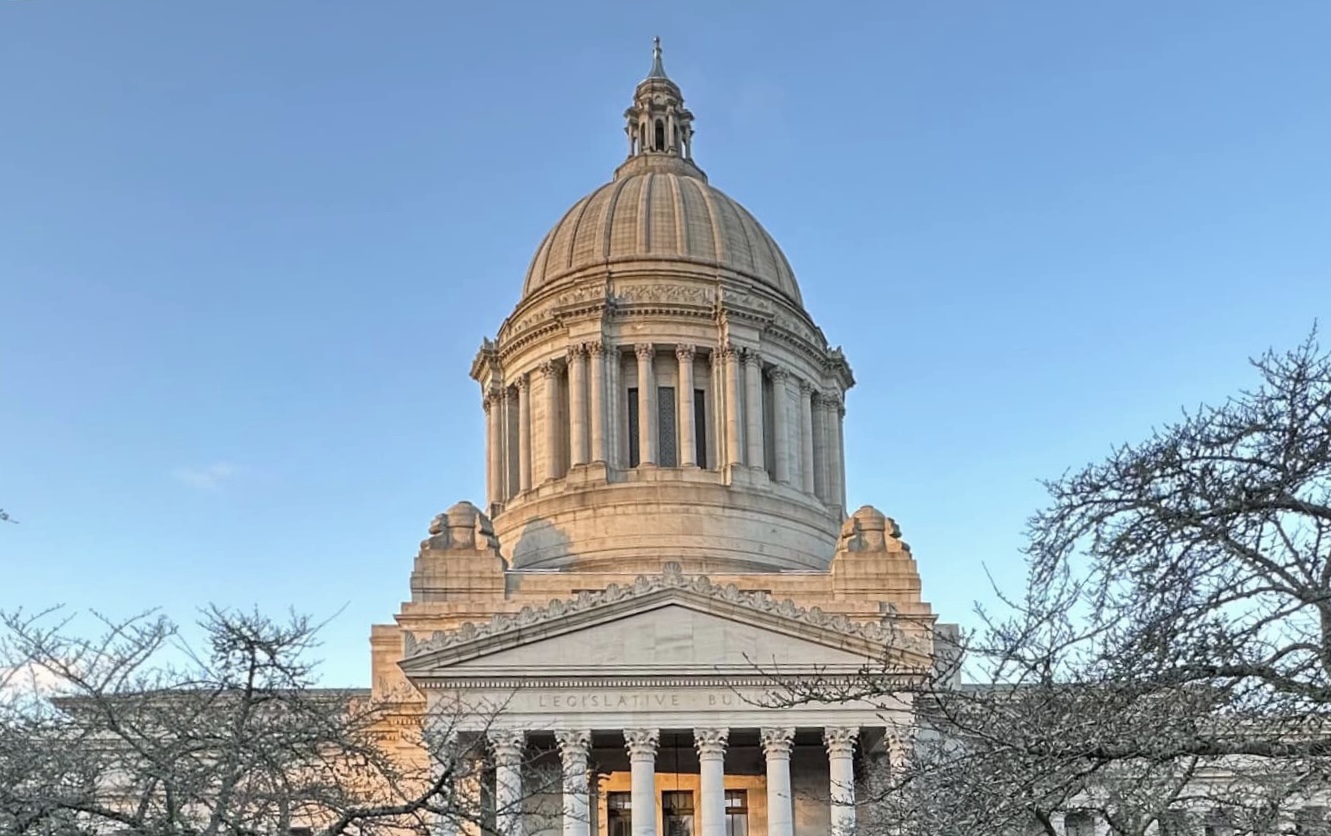
To hear some state legislators complain about police officer training, you might never know that the legislature itself has been in charge of overseeing the training of these new officers for the past 50 years. Since 1974, every new officer gets 720 hours of training in the state police academy, overseen by the Washington State Criminal Justice Training Commission (WSCJTC). Cities pay them for this service. The training covers all the necessary basics, including what they need to know about criminal law and the state constitution, using tasers and firearms, chasing suspects, conducting traffic stops, and other necessary skills. Here is the syllabus. The WSCJTC also provides numerous specialty follow-on classes, in such varied areas as dog handling, accident reconstruction, and police supervision, so the WSCJTC maintains a lifetime role in training police officers. The WSCJTC reports directly to the governor and legislature, not to local mayors or city council members. So individual legislators only need to look in a mirror to see someone responsible for police training.
This month the legislature is focussed on developing a way that people can sue these police officers when police training proves inadequate– either because the training failed to cover a unique legal or crisis situation the officer found themself in, or because the training directed the officer to make a wrong decision. The new legislation, HB 1025, is artfully written to still preserve immunity from lawsuits for the State and the legislators, the ones overseeing the academy classes. Only the police-officer students and their employers will be sued when the state training turns out to be inadequate.
Can you imagine how you would feel if you learned that a college or school where you earned a degree was trying to get you sued because the education they gave you was inadequate? How angry would you be? That’s what the legislature is cooking up for our police officers.
Thanks to our tumultuous legislature, new legal dilemmas are presented to officers everyday. For example, should an officer run after a suspect that just sold a lethal dose of fentanyl to a 12-year-old? What happens if the suspect runs into traffic, and is killed? With drug-related criminal issues still unresolved, an officer would need to be an experienced trial lawyer to get every one of these questions right all the time. 720 hours of academy time and 24-hour annual follow-ups will not provide a blueprint for every situation. Right now, when society sends an officer into danger, the officer is expected to act in good faith in applying their judgement and their training to the most confusing situations. If the state feels our officers don’t have enough training to cover all situations, the state should improve the training– not look for ways to financial harm the officers’ families after damage is done. And if anyone feels the officers are acting in bad faith, the officers can already be sued.
In any large workforce there will statistically be a few employees that do bad things, and they need to be dealt with. Police departments are no exception. Officers can currently be reprimanded and demoted for lesser transgressions, and criminally charged for serious offences. Officers can already be sued today under RCW 9-46.212 when they act in bad faith or gross negligence. If the State wants to now sue someone for inadequately training police officers, they should start by suing themselves until they learn to take responsibility for their own work.
Cities do have responsibility to give at least 24 hours per year continuing training to officers, set a safe culture, and provide supervision. Renton far exceeds these expectations with our own dedicated training center employing techniques and culture taught by the WSCJTC as a guide, and enrolling promoted officers in continuing WSCJTC training at their academy campus. Cities also have an overall responsibility to remedy financial damages to other parties that their actions have caused, whether by the police, parks, transportation, or any city department. In Renton our insurance fund typically covers damages caused by police work without requiring a lawsuit from a resident to make it happen. I always advocated for a timely financial remedy and sincere apology to any parties inadvertently harmed by any of our departments.
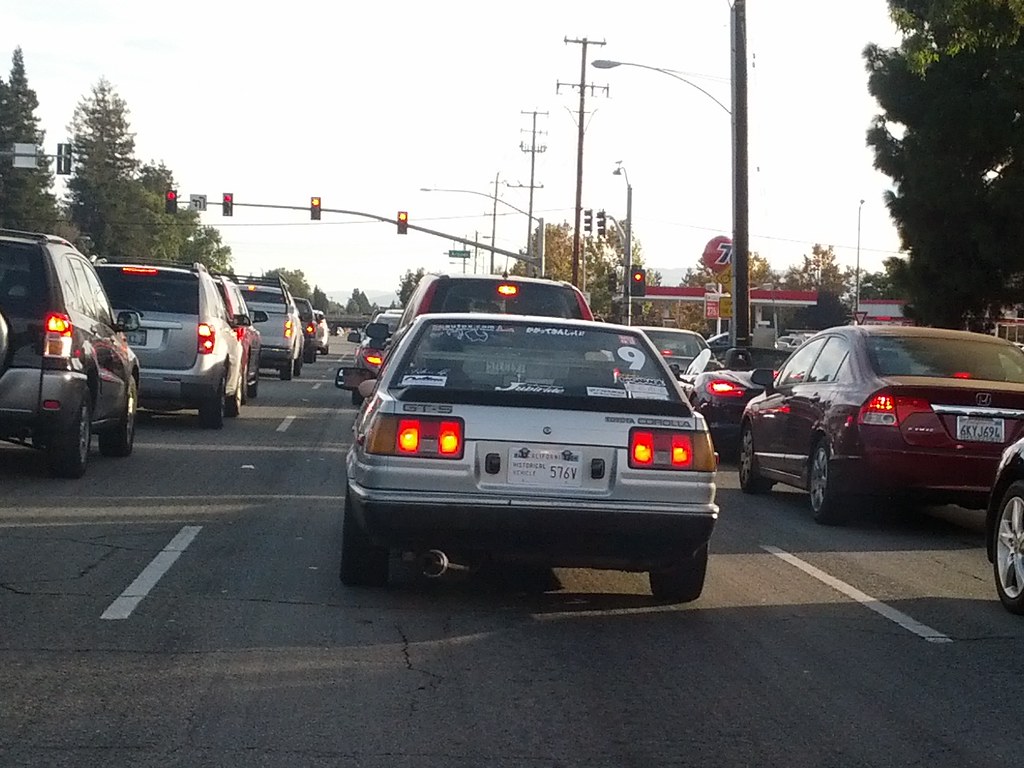
A state patrol officer observed a driver speeding at 111 miles per hour. He tried to stop the reckless driver, but the driver sped off and the 2021 non-pursuit law prevented the trooper from chasing and stopping him. An hour later the same driver was going the wrong way on I-82 and crashed into another car, killing a 6-year-old boy and an 8-year-old girl in that car and sending three others with serious injuries to Seattle area hospitals. Police preliminarily believe alcohol or drugs contributed to the deadly accident.
In this sequence of events the driver was in an identifiable car, presumably with a license plate, and the State Patrol was able to put the timeline together enough to realize the same car and driver were at both encounters. If it was dark, or the vehicle had no plates, or different agencies were involved, it’s likely that authorities may not have made the connection between the speeding driver and the fatal accident an hour later.
Washington’s highway fatality rate suggests we’re experiencing events similar to this at a statewide rate of about one or two per week since the non-pursuit law went into effect, contributing to our 21 percent increase in highway fatalities. Troopers and local police agencies have lost their ability to get the worst reckless drivers off our roads before they kill someone. Obviously lowering the Blood Alcohol Concentration (BAC) from 0.08 to 0.05 will have no impact on events like these unless police get back their authority to chase and detain reckless drivers.
State legislators who claim to be saving lives by the 2021 non-pursuit law are negligently contributing to these deadly accidents. The current death toll is in the hundreds.
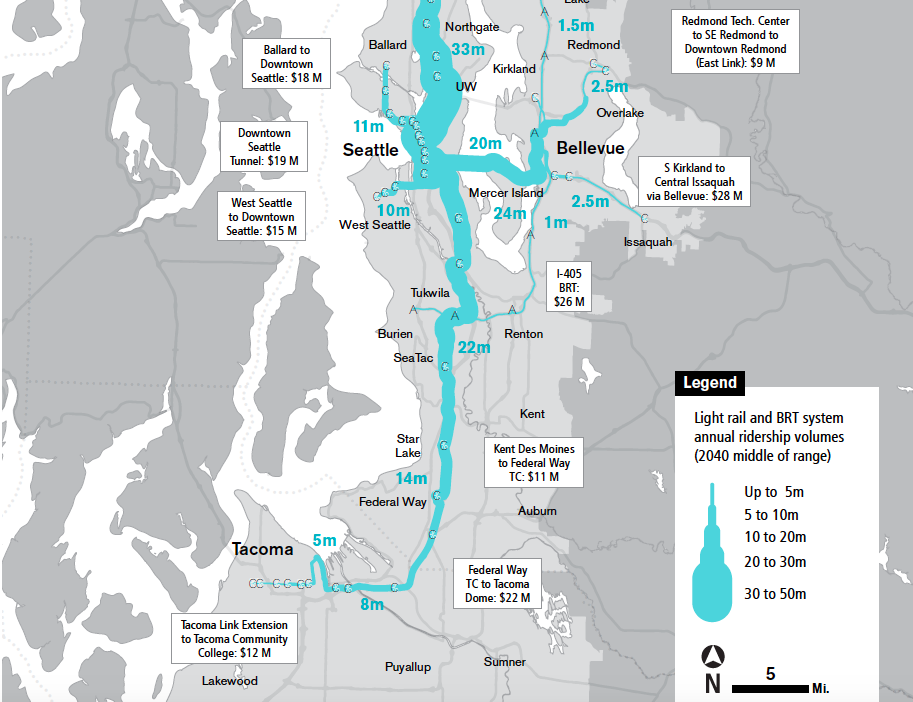
Sound Transit delayed Renton’s Bus Rapid Transit by 2 years and delayed parking facilities by a decade. These decisions were based in part on this ridership projection, which is ironically an outcome of disparate Sound Transit spending and planning to date. Width of blue lines indicates predicted Sound Transit ridership.
Sound Transit, faced with financial problems, is choosing to focus their reduced resources on areas where they’ve already spent the most. This is putting Renton even further behind.
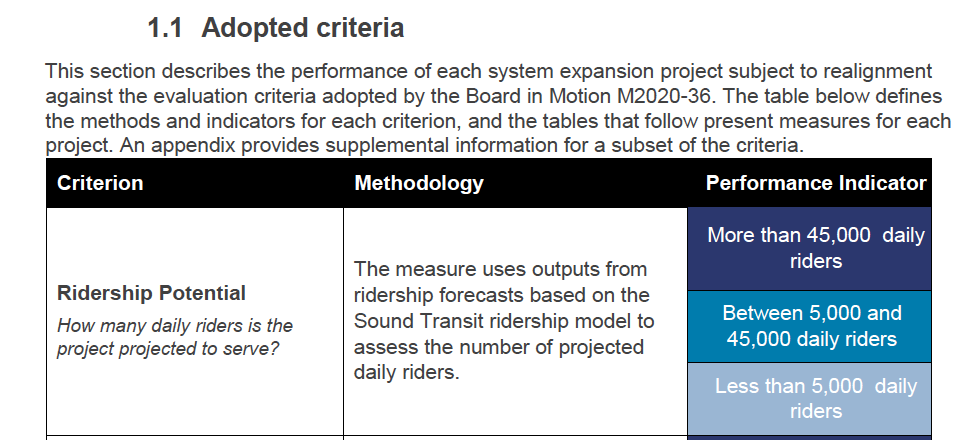
Sound Transit’s first criteria for determining which projects to keep on schedule is “ridership potential,” as shown in the map above. Ridership potential is largely a function of where past money was spent.
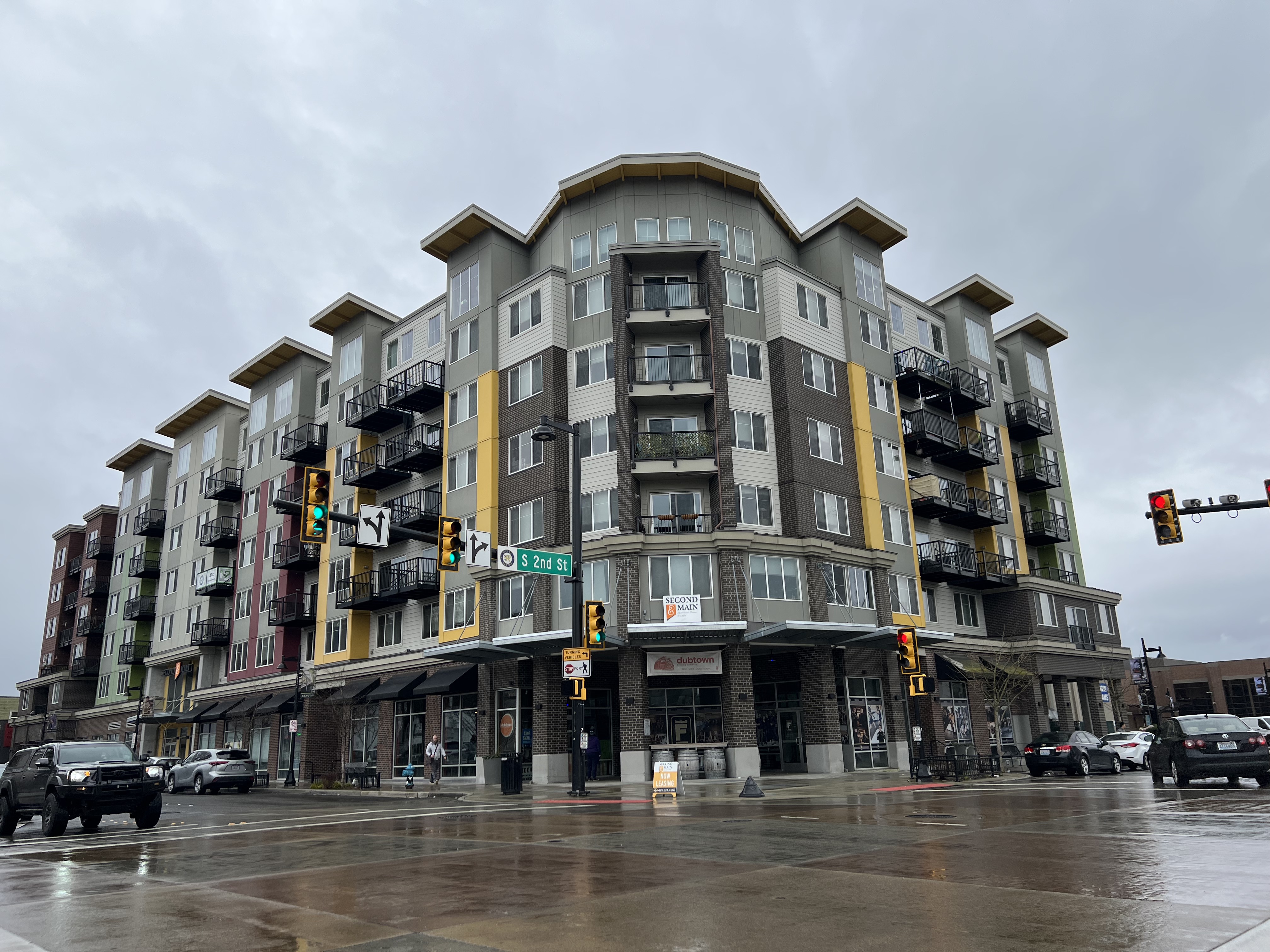
Local builders have tried to keep pace with market demand for rentals. Cosmos Development’s 2nd and Main project offers large units and nice amenities in the heart of Renton’s downtown.
In a previous blog entry I shared that the King County Homelessness Authority has put forward a $25 Billion five-year plan to create temporary housing to reduce homelessness. I mentioned that our own Renton Housing Authority has been a very efficient government housing provider, and I promised to revisit this topic of homelessness with additional practical ideas in the future. This is my first follow up on this topic, covering what private providers can do.
The debate about solving homelessness often deteriorates into over-simplified disagreements, like “is homelessness a housing problem, or a drug problem?” I promise not to take such a simplistic approach. The issue is much more complicated than that.
As a disclosure, my wife and I have owned rental homes in our area for over 30 years, and we have taken pride in providing affordable, fair, desirable housing for families and individuals in our community.
Step 1: Maximize the capability of the private housing market by working with landlords and builders
Our region’s private housing market plays the most essential role of all in preventing homelessness, by successfully housing 90%-95% of all of our region’s residents while generating significant tax revenue. About 61% of these residents live in homes which their family owns, and the other 39 percent are in homes or apartments they are renting under a private lease with the owner. It’s in all of our benefit to keep this market thriving, as this private market drives new home construction with typically no subsidies from taxpayers. This new construction helps reduce housing shortages.
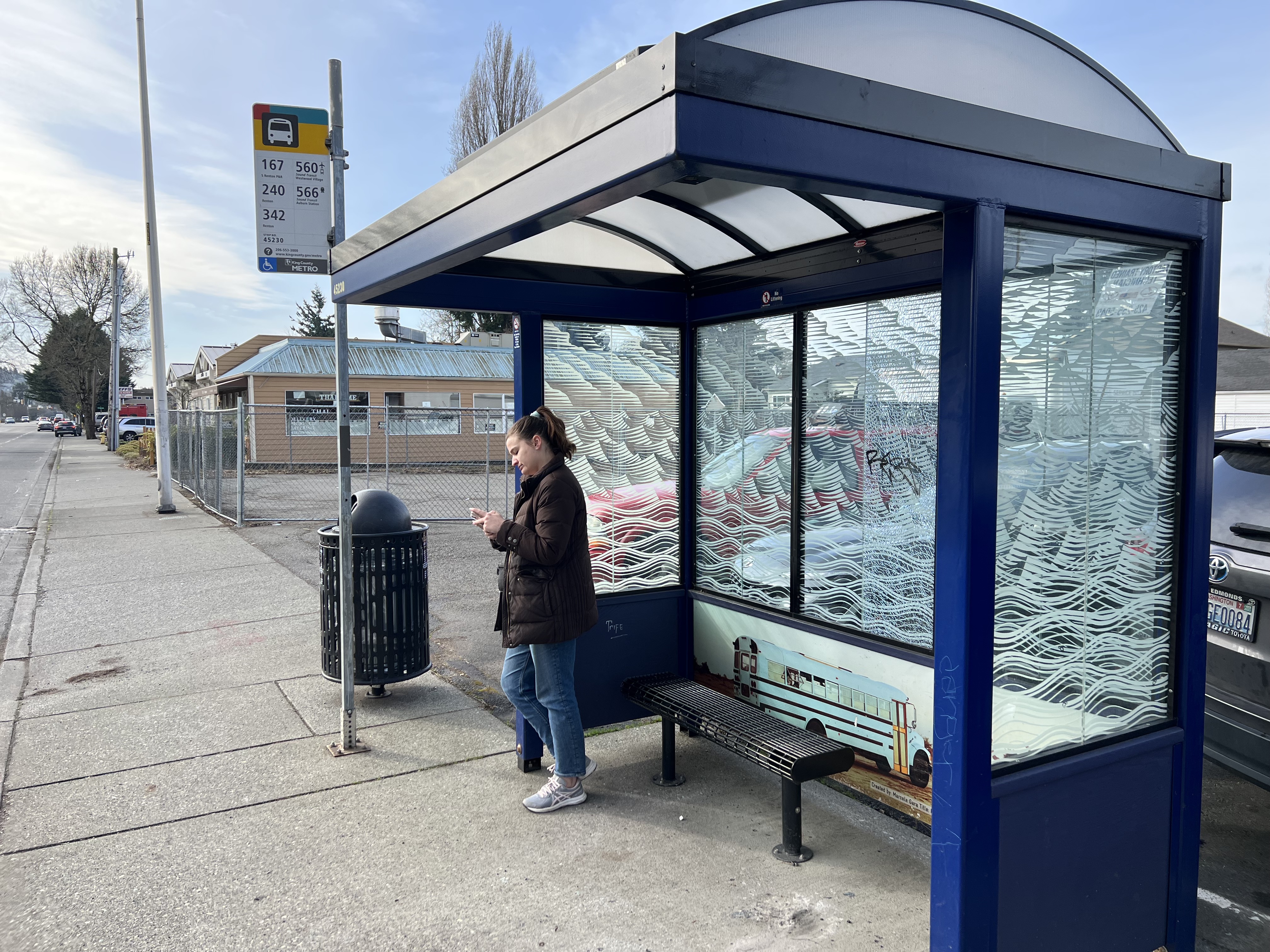
One of five shared Renton bus stops used by Sound Transit busses
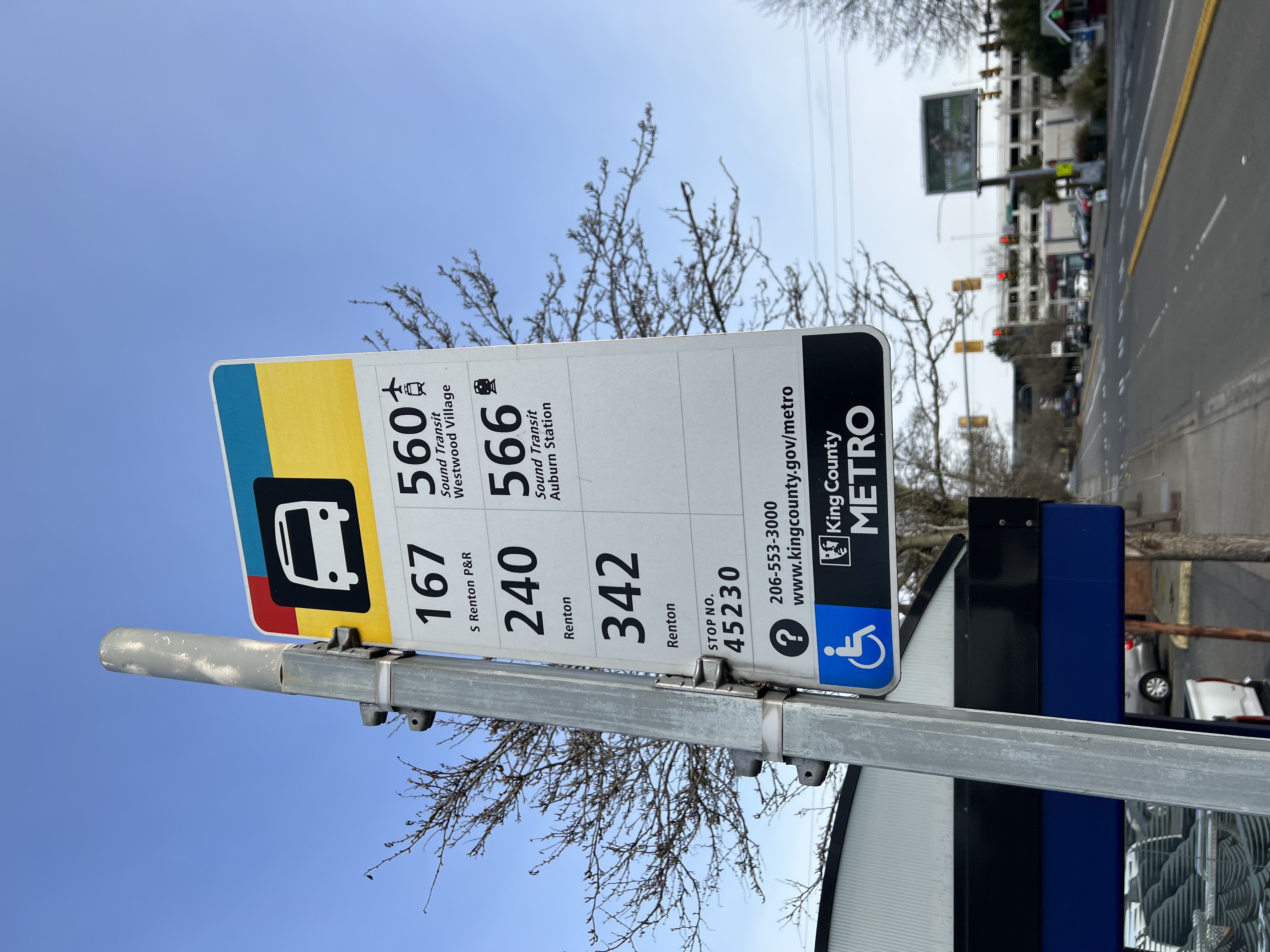
I’m going to begin a series of blog entries covering an important topic for Renton transit riders and taxpayers. Renton taxpayers have so far given Sound Transit over a BILLION dollars toward the Sound Transit System, a lot of money from a city that has had a population between 60,000 and 100,000 during Sound Transit’s life. To date the only Sound Transit infrastructure you can find in Renton is five shared bus stops. Even worse, Metro transit (a different agency we also fund) paid for the bus shelters; Sound Transit just put up the shared signage. The 560 and 566 ST bus lines go through our city and stop five places in downtown Renton on their trips between Bellevue and Seatac (560), and Auburn (566).
Renton taxpayers are currently being taxed over $50 Million a year for this bus service.
Five bus stops in Renton are shared by Metro Buses (listed on the left) and Sound Transit Buses (listed on the right). No other Sound Transit branded infrastructure appears in Renton.
In the mid 2000’s Sound Transit did give Renton about $19 million toward widening Rainier Avenue, but it was only about 20% of the money promised to Renton under ST 1, and it only happened because former Renton Mayor Jesse Tanner sued to get the money.
Many of Renton’s leaders, me included, have toiled to get Renton a more fair share of Sound Transit service, and have struggled against organizational obstacles that favored certain cities above others for light rail service and capital improvements. Sound Transit is its own agency, chartered by the legislature, and is not subordinate to every city leader. As Seattle is looking at adding more Light Rail Stations, and Bellevue is adding several of their own, Cities as far flung as Everett, Redmond, Issaquah, Federal Way and Tacoma are all designing their light rail stations. Renton taxpayers will be subsidizing these stations.
This is not an easy post for me to write, as I’ve enjoyed a cordial supportive relationship with Senator Bob Hasegawa for many, many years. But I love and care about the City of Renton, and Renton residents have been suffering tremendously recently. Wounds are still fresh on three victims of glass shards from a Sunday gunfire exchange in North Renton, and Monday our police department gave the most sobering report I’ve seen in 30 years on the increase in violent crime and homicides in our city. Armed robberies are up 50% year over year, carjackings are up 70%, and homicides reached an all-time high of 7 in 2022.
Senator Hasegawa (D), who serves the 11th district (Renton, Tukwila, Kent) meanwhile released a letter praising himself for this police pursuit legislation, saying the number of people killed in statewide police chases dropped from 9 to 3 in the last 1.5 years (saving an estimated 4 fleeing suspects and 2 innocent bystanders). As long as he ignores the collateral hundreds killed by reckless driving and hundreds more killed by criminal violence, I guess he can feel good about saving these six.
One of the worst things Senator Hasegawa does in his letter is essentially blame the very police officers he himself has incapacitated for the rise in crime. He even gives them illegal advice. “Police can still give chase during instances of DUI” he writes, neglecting that police need “reasonable suspicion of DUI” to do this, which they can’t get by just watching a driver weave his way down the road. Reasonable suspicion of DUI comes from an interview after police have made a traffic stop for a driving infraction; and police can’t pursue for an infraction. And he tells them they can chase in instances of violent crimes, without telling them their evidence must meet the standard of probable cause, the same standard needed for an arrest (which is usually not available until after questioning and investigation). Fortunately, police officers know better than Senator Hasegawa what they are allowed to do under the law since attorneys have had to be in close contact with officers since this ill-conceived law was first rolled out.
Senator Hasegawa’s 11th district used to be mostly in Seattle, but the district boundaries were moved in 2020 and his district is now Renton, Tukwila and Kent. His 11th district house colleagues, Steve Bergquist (D) and David Hackney (D) are demonstrating an understanding of the needs and desires of the new 11th district constituency, and they are working to restore police pursuits. I’m sure it is harder for them when their senior colleague in the senate sends misleading letters to their constituency. Senator Hasegawa should instead be leading as a mature, steady hand, helping his House colleagues protect their district and the state in this frightening time of rising crime. If he can’t serve that role for the people of his district, he should plan for his retirement.
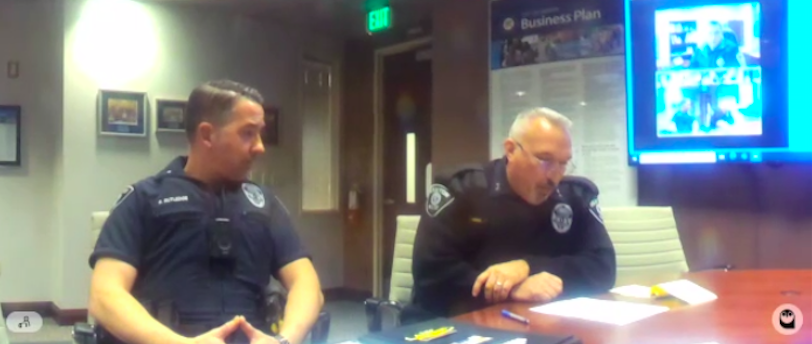
Deputy Chief Jeffrey Hardin (right) provided a detailed update of gun violence in Renton to the Public Safety Committee. Commander Ryan Rutledge (left) looks on.
Deputy Chief Jeffrey Hardin provided a detailed update on gun violence in Renton to the Public Safety Committee on Monday, Feb 27. Committee members and the public listened in rapt attention to the sobering statistics, tragic crime details, and thorough response by Renton police. His report speaks for itself, driving home the importance of our professional and capable police department and the challenging times we are facing. Here is Deputy Chief Hardin’s report:
Public Safety Committee 2/27/23
Update on gun violence in the city.
In 2022 there were 42 Threats with a firearm (20% increase), 69 Armed Robberies (50% increase), and 14 Armed car jackings (70% increase).
There was also a 34% increase of shots fired from 2021. This includes, homicides, shots fired with a subject injured, shots fired with property damage, and illegal discharges.
In 2022, we had seven homicides all involving a firearm. Of those, three are in custody, one committed suicide at the time of crime, the fourth is close to being charged (waiting for lab results) and the fifth has been identified (waiting for witness confirmation for probable cause). Of the remaining homicides, one is still being actively investigated and the other has been moved to cold case status due to lack of evidence and cooperating witnesses and victims (shooting at musician’s hall).
Renton single-family zoning would be a thing of the past under House Bill 1110
House Bill 1110 would eliminate much of the single family zoning in our state in an effort to create more housing. It’s the latest in a series of attempts by legislators to supercede zoning by cities because the legislators feel cities have not been aggressive enough in solving the housing crisis. The bill would allow fourplexes in all single family neighborhoods in cities with more than 75,000 residents like Renton, and allow six-plexes in certain locations near parks and public transit. Cities between 25,000 and 75,000 population would have to allow duplexes on all single-family lots.
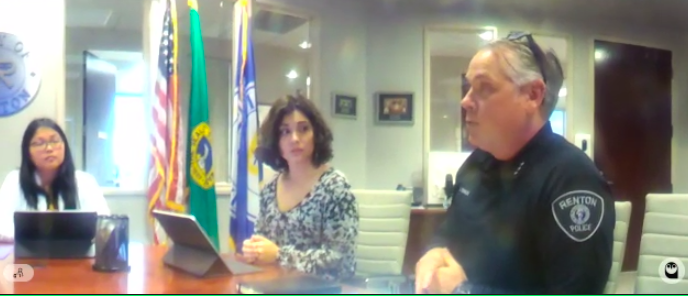
Renton Councilmembers Van and Rivera look on as Renton Police Chief Jon Schultd describes the staffing challenges his department is working to stay ahead of
Public Safety Committee is one of Renton Council’s six standing subcommittees. With homicides and robberies rapidly rising to all-time highs in our city, these meetings have sparked unusual public interest lately. Yesterday’s meeting covered several important topics, and I’ll touch on more of them in later postings. Today I’ll focus on police staffing.
Renton leaders and residents need to keep a close eye on police staffing as our heavily-burdened police department begins a year that includes at least six likely retirements of veteran officers, and the potential for two-to-three times that number based on the demographics of the workforce. Given that the process of finding and training new officers takes a year at minimum, the work to keep adequate police staffing has to be on-going.
During the meeting that included both a report about major crime rate jumps and the report about likely police retirements, Councilmember Ed Prince prompted Chief Schultd to discuss how Renton police staffing numbers compared to other cities, and what the chief might consider as ideal for our city.
Chief Schultd noted he was going from memory, recalling that Renton has been operating with approximately 1.3 officers per thousand residents, while many areas in the nation operate closer to 2 per thousand (see his followup email below for more precision). The Chief’s response is in line with research by the International Association of Professional City/County Managers (ICMA), which commissioned a report on the topic here. These numbers suggest Renton could have as many as 50% more officers, and be consistent with national and international staffing levels. While there has been no time in our history when we actively defunded our police department, it’s clear by these numbers that Renton Police Department has been operating very lean for some time. While this may have been okay in the past, it’s not working as well lately.
For those of us in attendance concerned about increasing crime rates, the committee discussion was encouraging. Councilmembers Prince and Van showed interest in possibly increasing funding, and Rivera nodded in apparent agreement.
This report was a status and won’t result in any specific action by itself other than approval for the Chief to continue rigorously working to backfill expected coming vacancies in his department. But for the full Council and the community of Renton, the stunning reports about high crime rates and minimum police staffing should set the stage for a more well-staffed department. The City and community should be working together to find more money for the police department. New funding could include bolstering behavioral health units that were added in the past two years, and have proven to be of great service to the department.
The City operates on a tight budget with little margin for additional police. If more money can’t be found, the Renton community should even consider a voter levy to add the necessary officers and behavioral health specialists needed to protect public safety.
Note: The meeting agenda for this meeting can be found here
Post-Meeting Police Chief email followup to Public Safety Committee:
Chief Jon Schultd had indicated he was commenting from memory during the meeting when asked how Renton staffing compared to national averages, so he followed up with more precise data in an email yesterday. The conclusions don’t really change. Here is an excerpt from his email to public safety committee:
Good morning Public Safety Committee Members,
Thank you again for taking time out of your schedule to meet with us yesterday.
I wanted to make sure that I gave you accurate information last evening when asked about staffing numbers. According to the FBI the 2021 national average of commissioned officers per 1,000 residents was 2.33 ( 2021 LE Employment by State.pdf ). The average for the State of Washington was 1.35, and if I am doing my math correctly the City of Renton is at 1.24 when fully staffed.
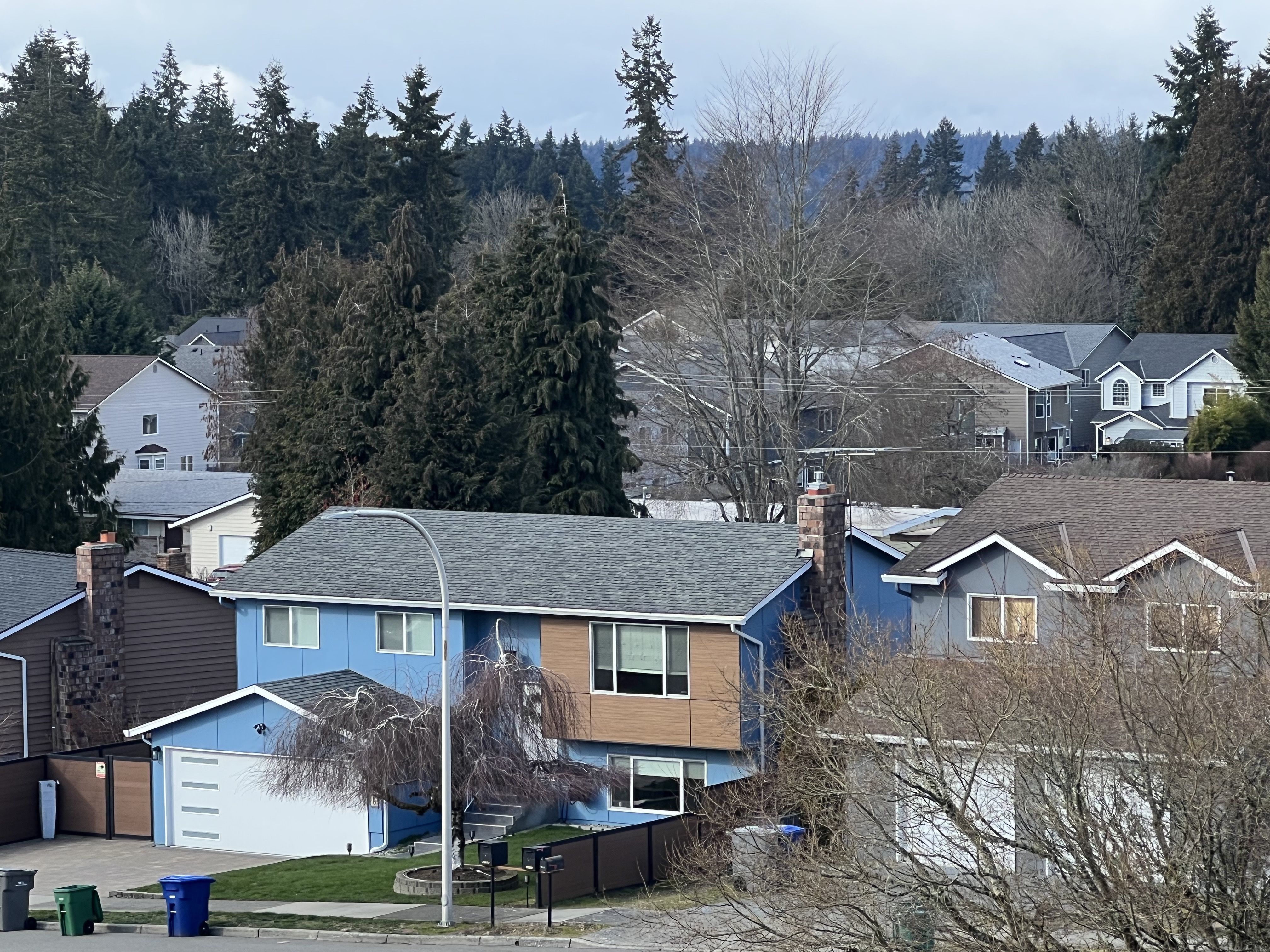
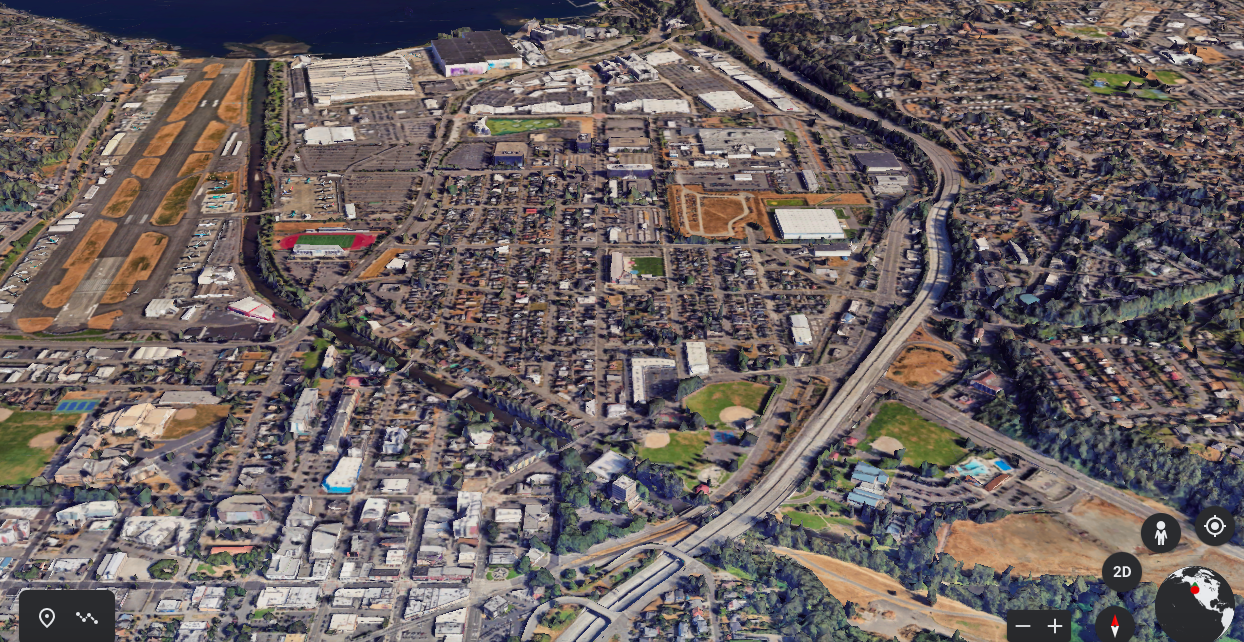
Renton’s North Renton neighborhood, looking north. Photo credit Google Earth
A few weeks ago I asked if a few people impacted by crime in Renton would allow me to share their stories, to help illustrate the real human impact crime was having on our residents and our city, beyond the statistics. Earlier posts in this series were from Tonya, who told her story about her family moving from Renton after an immense loss; and Melyza, about how her life was turned upside down by an attempted car theft. I’m publishing these as a call to action by state and local lawmakers, and everyone else that might be able to do more to protect our residents and business owners from crime.
I’ve posted the third in this series today, submitted by a woman who asked to be called E.W. She lives in the North Renton neighborhood, between Boeing and downtown. She and her husband bought a home in this neighborhood when they moved to Renton.
This is her story (in italics):
This is in response to your blog about how crime is affecting people here in Renton. My husband and I have three children in the North Renton neighborhood. We have lived here almost five years. The neighborhood and people here are delightful.
But we have gotten so concerned for the safety of our children, especially when they play outside. We spent thousands of dollars constructing a long, tall fence. (We hated the separation this created between our yard and the many neighbors we enjoy greeting as they pass by on the sidewalk.). The fence wasn’t enough. There has been a steady drumbeat of gun violence. I am afraid of one of my kids being shot while playing outside. There is also frequent loud shouting, cursing and altercations by people that are suffering behavioral issues, suffering from addiction, or unhoused passing on foot on a regular basis.
We intended to stay in this house forever, but are now in the process of moving to east Renton highlands in pursuit of safety for our kids.
This is a decision made out of privilege – most of the families in our neighborhood can’t afford to leave to a more expensive neighborhood and deserve more safety right where they are.
Just 16 hours before publishing E.W.s story, there was gunfire in her neighborhood at N. 3rd St and Park Ave North as assailants in a car with no license plates passed a group of teenagers, and both parties apparently shot at each other. Three uninvolved motorists in two separate vehicles were injured by flying glass as bullets pierced their cars. The police are currently looking for the suspects. There have been increasingly frequent shootings in this area, combined with a record number of homicides.
Families with children like E.W.s are important to the future of our city. It’s critical that families are able to thrive in North Renton, one of our city’s oldest neighborhoods with our most distinctive and historic homes. This neighborhood also hosts our city’s Don Persson Senior Activity Center and Sartori elementary school, in addition to highly utilized parks and trails. I’m grateful for E.W. for sharing her experience. It represents a call to action to those policy makers in charge of protecting this neighborhood from crime before more families feel they need to move out. There are tens of thousands of Rentonites committed to making North Renton a safe and inviting neighborhood for all families. Any elected policy makers that don’t have this responsibility near the very top of their priority list should step down and let someone who cares take their place.
House Bill 1513 errantly attempts to improve equity by tossing out almost all automobile equipment safety requirements contained in RCW chapter 46.37
In doing so, the bill attempts to supercede safety standards based on years of scientific automotive testing with new rules that could only have been written by hurried politicians. Here’s just one example from the bill.
“A peace officer may only stop or detain an operator of a vehicle when the primary reason for the stop is an equipment failure violation when necessary to protect against an immediate, serious threat to the safety of the operator or others on the roadway.”
“Immediate, serious threat to the safety of the operator or others on the roadway” means …. Having both taillights, headlights, or brake lights out at nighttime”
“Having both brake lights out at nighttime” is dangerous, but hey…who needs brake lights during the day, right?
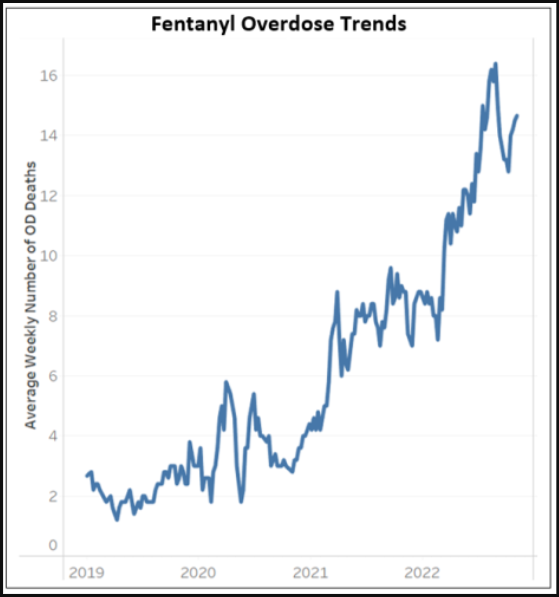
Fentanyl deaths in King County have been rising dramatically, now averaging about two per day. A disproportionate number are Indigenous and Black residents.
In 2021 the State Supreme Court issued its “Blake” decision, overturning drug possession laws in our state due to technical issues regarding the definition of possession. Our state legislature responded by implementing an ineffective interim drug possession law that requires police to issue two referrals to treatment to anyone caught with hard drugs like fentanyl or heroin before they can be arrested. But no clear state-wide mechanism has been established for recording and tracking the referrals, so police can’t track the number of referrals or arrest for possession. Instead, police can just suggest people using drugs go to treatment, the same way everyone else has been unsuccessfully suggesting this to people struggling with addiction.
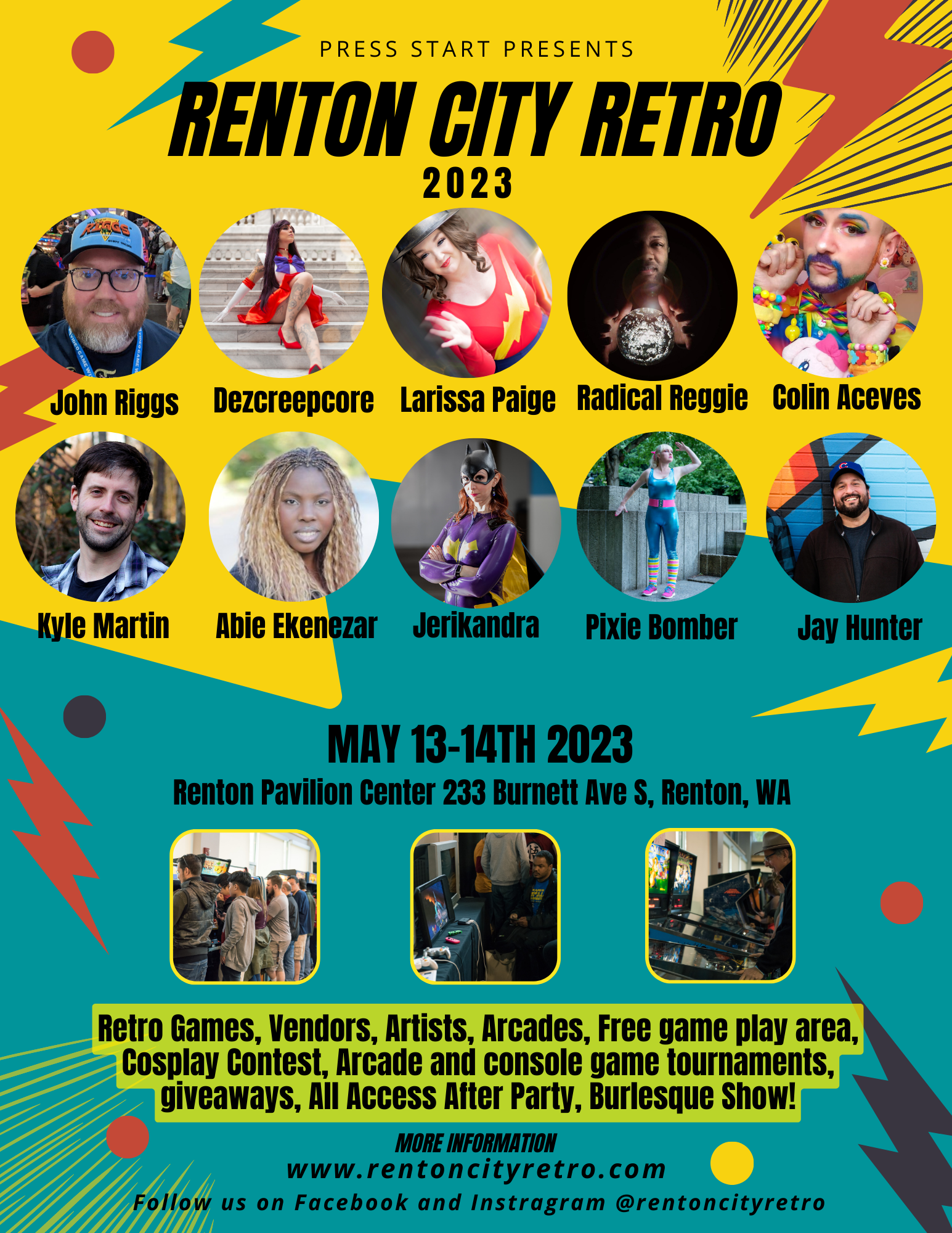
Three generations of my family love these sci-fi, gaming, and pop-culture events, and we have put together some elaborate cosplay costumes (dressing up as favorite characters in the past. I love how more of these conventions have been held in Renton in recent years. We don’t have to deal with Seattle’s traffic or parking challenges, and out-of-towners can discover Renton’s great hotels and restaurants.
Marcel Bower of Renton City Retro sent me this description of their upcoming May 13-14 event in Renton’s downtown Pavilion event center: